
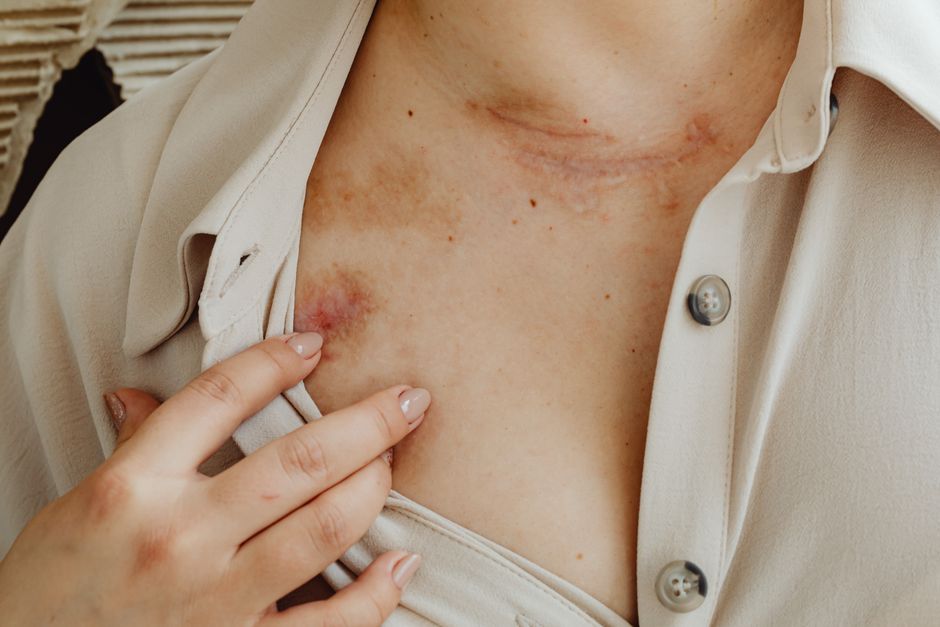
Boils are painful, pus-filled bumps that form under the skin when bacteria infect a hair follicle. Most boils heal without leaving a permanent mark, but some can scar, especially if they are large, deep, or not treated properly. The risk of scarring depends mostly on how the boil is managed, how quickly treatment begins, and whether you pick or squeeze it. Understanding what causes boils, how to treat them correctly, and how to prevent them can significantly reduce your chances of permanent skin damage.
What Causes a Boil to Form?
A boil starts when bacteria, usually Staphylococcus aureus, enters the skin through a hair follicle or a small cut. The body’s immune system responds by sending white blood cells to the area, which creates inflammation and pus. This collection of pus, dead tissue, and bacteria is what forms the painful lump you feel.
Some people are more prone to boils than others. You are at higher risk if you have diabetes, a weakened immune system, or a skin condition like eczema. Poor hygiene, friction from tight clothing, and excessive sweating can also increase the chance of bacteria entering the skin. Close contact with someone who has a boil can spread the infection, which is why boils sometimes appear in households or among sports teammates.
Boils can form anywhere on the body, but they are most common on the face, neck, armpits, buttocks, and thighs. These areas have more hair follicles and often experience friction or sweating. A cluster of boils connected under the skin is called a carbuncle, and these are more likely to cause scarring because they are larger and deeper.
Do Boils Scar?
Yes, boils can scar, but they do not always. The likelihood of a scar depends on several factors, including the size of the boil, how deep the infection goes, and how you treat it. A small boil that comes to a head and drains on its own often heals with no visible mark or only a small, flat discoloration that fades over time.
Scarring happens when the infection damages the deeper layers of skin, called the dermis. When the dermis is injured, the body produces collagen to repair the area. This collagen can form a raised scar, a depressed pit, or a dark spot that remains after the boil heals. Larger boils, carbuncles, and those that require surgical drainage are more likely to leave scars because they involve more tissue damage.
The most common type of scar after a boil is a dark or red mark called post-inflammatory hyperpigmentation. This is not a true scar, but rather excess pigment left behind by the healing process. These marks typically fade over several months, though they can last longer on darker skin tones. True scars, whether raised or pitted, are permanent but can be treated with topical silicone gels, laser therapy, or other dermatologic procedures.
How to Treat a Boil to Minimize Scarring
Treatment begins with heat. Applying a warm compress to the boil for 15 to 20 minutes, three to four times a day, can help increase blood flow to the area and encourage the boil to come to a head. This is the single most effective home treatment for a boil, and it is widely recommended by dermatologists.
Once the boil comes to a head and begins to drain, keep it covered with a clean, dry bandage. Change the bandage regularly and wash your hands thoroughly before and after touching the area. This prevents the infection from spreading and reduces the risk of making the wound worse.
Do not squeeze or pop a boil. This is the most important rule. Squeezing forces bacteria deeper into the skin and can rupture the boil inward, causing the infection to spread to surrounding tissue. This increases inflammation, delays healing, and dramatically raises the risk of scarring. Let the boil drain on its own or have a doctor drain it under sterile conditions.
Over-the-counter pain relievers like ibuprofen or acetaminophen can reduce discomfort, but they do not treat the infection itself. Antibiotic ointments are generally not effective on boils because they do not penetrate deep enough into the skin to reach the infection. For boils that are large, painful, or do not respond to home care, a doctor may need to incise and drain the boil or prescribe oral antibiotics.
After the boil drains, keep the area clean and moisturized. Applying a thin layer of petroleum jelly or a fragrance-free moisturizer can support the skin barrier and promote smoother healing. Once the wound closes, you can begin using a silicone-based scar gel or sheet, which has the strongest evidence for reducing scar formation.





When to See a Doctor for a Boil
Most boils can be managed at home, but some require medical attention. See a doctor if the boil is larger than 2 inches across, if it does not drain after two weeks of home care, or if it is located on your face or spine. Boils on the face are particularly concerning because the infection can spread to the brain through the bloodstream.
You should also seek medical care if you develop a fever, if the redness around the boil expands rapidly, or if you have recurring boils. These signs may indicate a more serious infection or an underlying condition like diabetes that needs to be addressed. People with weakened immune systems, including those on chemotherapy or with uncontrolled diabetes, should see a doctor at the first sign of a boil rather than waiting.
If a doctor drains the boil, the procedure is quick and usually done in the office. They will numb the area, make a small incision, and allow the pus to drain. This is called incision and drainage, and it is the standard treatment for large or painful boils. In some cases, the doctor may pack the wound with gauze to keep it open and allow continued drainage over the next day or two.
How to Prevent Boils From Forming
Prevention focuses on reducing the bacteria on your skin and avoiding conditions that allow them to enter. Regular hand washing with soap and water is the most effective measure. Showering daily, especially after sweating, removes bacteria from the skin surface and reduces the chance of follicle infection.
Do not share personal items like towels, razors, washcloths, or sports equipment. These items can carry Staphylococcus aureus from one person to another. If you have a boil, wash your towels and bedding in hot water with detergent, and dry them on high heat. This kills the bacteria and prevents reinfection.
Wear loose-fitting clothing, particularly in warm weather or during exercise. Tight clothing traps sweat and creates friction, which irritates hair follicles and makes them more susceptible to bacterial entry. If you shave areas prone to boils, use a clean razor and shave in the direction of hair growth to minimize irritation.
For people who get boils repeatedly, a doctor may recommend a decolonization protocol. This involves using an antibacterial wash, such as chlorhexidine, on the skin and applying mupirocin ointment inside the nostrils for a set period. This approach can reduce the amount of Staphylococcus aureus on the body and lower the risk of recurrence, though it requires a doctor’s guidance.
Managing underlying conditions is also essential. If you have diabetes, keeping your blood sugar in a healthy range supports your immune system’s ability to fight infections. If you have a skin condition like eczema, following your dermatologist’s treatment plan can reduce breaks in the skin that allow bacteria to enter.
Boil Versus Other Skin Conditions
Boils are sometimes confused with other skin bumps, and it is worth knowing the difference. A boil starts as a red, tender lump that fills with pus and grows over several days. It is usually firm and painful to the touch. A pimple is a smaller, more superficial infection of a single hair follicle that typically resolves faster and rarely scars.
A cyst, such as an epidermoid cyst, is a non-infected lump under the skin that contains keratin. Cysts are usually painless unless they become infected. An infected cyst can look very similar to a boil, and it may require the same treatment approach. A hidradenitis suppurativa lesion, which occurs in the armpits or groin, can also resemble a boil but is a chronic inflammatory condition that requires different treatment.
If you are unsure what kind of bump you have, it is reasonable to treat it with warm compresses initially. If it does not improve within a week, or if it becomes more painful, see a healthcare provider for an accurate diagnosis. Treating the wrong condition can delay healing and increase the risk of complications.
Long-Term Skin Care After a Boil
Once a boil heals, the skin may remain discolored or slightly raised for weeks or months. Protect the area from sun exposure, as UV light can darken healing marks and make them more noticeable. Use a broad-spectrum sunscreen with an SPF of at least 30 on the healed area, especially if it is on a sun-exposed part of the body.
Moisturizing the area daily can improve the appearance of the skin and reduce dryness that may make scars more visible. Silicone sheets or gels are the most evidence-backed option for scar prevention, and they are available over the counter. For established scars, prescription-strength treatments like corticosteroid injections or laser therapy are options worth discussing with a dermatologist.
If the boil leaves a pitted scar, some dermatologists recommend microneedling or chemical peels to stimulate collagen production and smooth the skin surface. These procedures should only be performed by a qualified professional, and results vary from person to person. Patience is important, as scars can continue to improve for up to a year after the initial injury.
Frequently Asked Questions
Can a boil heal without leaving a scar?
Yes, many small boils heal without any permanent mark. The risk of scarring increases with larger boils, delayed treatment, or squeezing the boil.
How long does it take for a boil scar to fade?
Discoloration from a boil can take several months to fade, while true scars are permanent. Daily sun protection and moisturizing can help the area heal more evenly.
Is it safe to pop a boil at home?
No, you should never squeeze or pop a boil at home. This can push bacteria deeper into the skin, worsen the infection, and significantly increase the chance of scarring.
What is the fastest way to get rid of a boil?
Applying a warm compress for 15 to 20 minutes several times a day is the fastest home method to encourage a boil to drain. If it does not drain within two weeks, see a doctor.
