
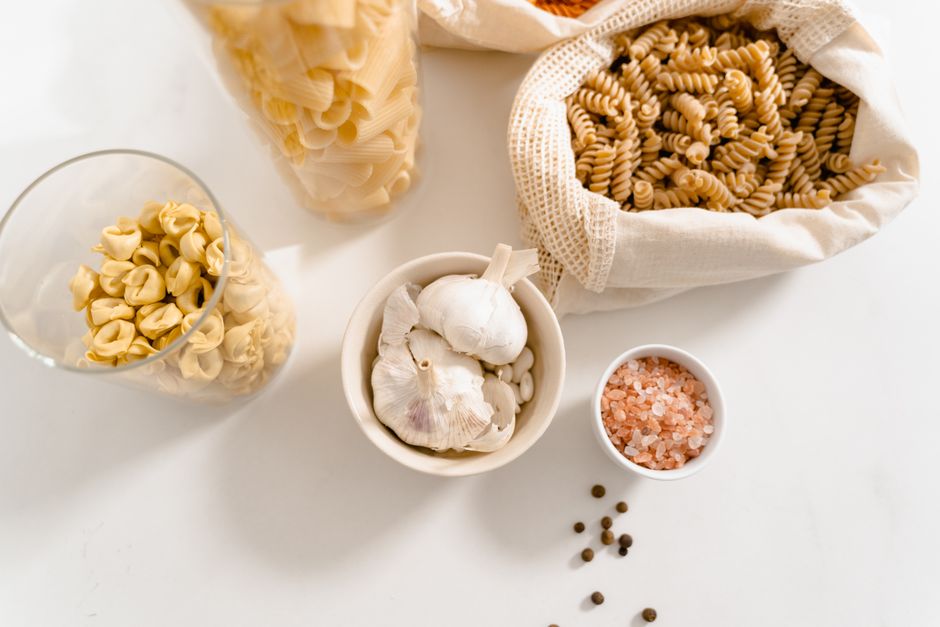
Dried pasta does not go bad in the way fresh food does, but it does not last forever. If stored properly in a cool, dry place, an unopened box of dry pasta can stay safe to eat for years past its “best by” date. The real issue is quality, not safety. Over time, the pasta loses flavor and texture, and if it gets exposed to moisture or pests, it can become genuinely unsafe to eat.
Does Dried Pasta Go Bad?
Yes, but not the way you might think. Dried pasta is a shelf-stable food because it contains almost no moisture. Bacteria, mold, and yeast need water to grow, so dry pasta simply does not support them. That is why an unopened box can sit in your pantry for two years and still be perfectly safe to cook.
The “best by” date on the box is about quality, not safety. After that date, the pasta may lose some flavor and become more brittle, but it will not make you sick. The real danger comes from what happens to the pasta after the box is opened or if the storage conditions are wrong.
What Actually Causes Dried Pasta to Spoil?
Three things ruin dry pasta: moisture, pests, and oxygen. Each one damages the pasta in a different way, and each one is easy to spot if you know what to look for.
Moisture is the biggest threat. If dry pasta absorbs water from humid air, it can develop mold. The mold is usually visible as fuzzy spots in colors like green, black, white, or pink. You might also notice a musty smell. Pasta that has gotten wet can also become sticky or clump together, which is a sign that it is no longer safe to eat.
Pests are the second most common problem. Pantry moths and weevils can get into unopened boxes because the cardboard and thin plastic packaging are not always airtight. You might see small holes in the pasta pieces, fine webbing inside the box, or tiny insects crawling around. If you see any of these signs, throw the entire box away. Do not try to pick the bugs out and keep the rest.
Oxygen causes a slower, less obvious decline. Over time, exposure to air causes the pasta to oxidize. The color may fade from a bright yellow to a dull, pale shade. The flavor becomes flat and stale. This is not dangerous, but it does mean the pasta will not taste as good as it should.
How Long Does Dried Pasta Actually Last?
The shelf life depends on the type of pasta and how it is stored. Here are the general guidelines that food safety experts agree on.
- Unopened dry pasta: 1 to 2 years past the “best by” date when stored in a cool, dry place.
- Opened dry pasta: 1 to 2 years from the date you open it, provided you keep it in an airtight container.
- Fresh pasta from the refrigerated section: Only lasts a few days in the fridge, or a few months in the freezer. This is a completely different product from dried pasta.
- Egg noodles: These have a shorter shelf life than plain semolina pasta because the egg content makes them more prone to spoilage. Aim to use them within 6 to 12 months.
- Gluten-free pasta: Often made with rice flour or corn flour, these can go rancid faster than wheat pasta. Use them within 1 year.
These timelines assume the pasta is stored correctly. Heat, light, and humidity all shorten the shelf life significantly. A box of pasta stored above the stove in a warm kitchen will degrade faster than one stored in a cool pantry.


How to Tell If Dried Pasta Is Still Good
Your senses are the best tool. Before you cook a box of pasta that has been sitting in the pantry, take a close look at it.
Check the box for any signs of damage. Tears, holes, or crushed corners could mean pests got inside. Look at the pasta itself. Fresh, good-quality dry pasta has a uniform color and a smooth surface. If you see discoloration, spots, or a powdery residue that is not flour, treat it with suspicion.
Smell the pasta. Dry pasta has a mild, neutral smell. If it smells sour, musty, or like cardboard, it has absorbed odors or moisture and should be thrown out.
Feel the pasta. It should be hard and brittle. If it bends instead of snapping, it has absorbed moisture and may be at risk for mold. Cooked pasta that smells bad or tastes off should also be discarded immediately.
Does Cooking Kill the Bacteria or Mold?
No, and this is a critical point. Boiling water kills most bacteria, but it does not destroy all toxins that mold produces. Some mold toxins, called mycotoxins, survive high heat. Cooking moldy pasta will not make it safe to eat. The same logic applies to pasta that has visible insect damage. The insects themselves may be killed by boiling, but their waste and eggs are still in the pasta. Do not cook pasta that shows signs of spoilage. Throw it away.
How to Store Dried Pasta So It Lasts
Proper storage is the only way to get the full shelf life out of your pasta. The three rules are simple: keep it cool, keep it dry, and keep it sealed.
Transfer opened pasta to an airtight container. A glass jar or a plastic container with a tight-fitting lid works well. This keeps out moisture, pests, and odors. Do not leave pasta in the opened cardboard box with the top folded down. That box is not airtight, and pantry pests can easily chew through it.
Store the container in a cool, dark place. A pantry or a cupboard away from the stove, oven, and dishwasher is ideal. Avoid storing pasta above the refrigerator, where heat rises and can accelerate spoilage. Do not store pasta in the refrigerator. The cold, damp environment can cause condensation, which introduces the moisture that leads to mold.
If you buy pasta in bulk or want to store it for a very long time, you can freeze it. Dry pasta freezes well because it has so little moisture. Place it in a freezer-safe bag, squeeze out the air, and it will keep for several years. Freezing does not change the texture or cooking time. Just let it come to room temperature before opening the bag to prevent condensation.
What About the “Best By” Date?
The “best by” date is a manufacturer’s estimate of when the product will be at its peak quality. It is not an expiration date. It does not mean the food is unsafe after that date. For shelf-stable products like dry pasta, the date is conservative. The pasta will almost certainly be fine for months or even years after the date on the box.
The USDA and food safety organizations consistently state that shelf-stable foods like pasta are safe to eat past their “best by” date as long as the packaging is intact and there are no signs of spoilage. Trust your eyes and nose over the calendar.
Does the Type of Pasta Matter?
Yes, and the most important distinction is between dried pasta and fresh pasta. Fresh pasta, sold in the refrigerated section of the grocery store, contains eggs and moisture. It spoils quickly and must be refrigerated or frozen. It will only last a few days in the fridge. Dried pasta, sold in boxes in the center aisles, is a different product entirely. It has been extruded and dried to remove nearly all moisture, which is why it lasts so much longer.
Within the category of dried pasta, egg noodles do not last as long as plain semolina pasta. The added egg makes them slightly more perishable. Whole wheat pasta also has a shorter shelf life than white pasta because the oils in the wheat germ can go rancid over time. Gluten-free pastas made from rice or corn flour can develop an off flavor faster as well.
Frequently Asked Questions
Can you eat dried pasta 2 years out of date?
Yes, if the box is unopened and the pasta shows no signs of mold, pests, or off odors. The quality may be lower, but it is safe to eat.
How can you tell if dried pasta is bad?
Look for mold, insects, webbing, or a musty smell. If the pasta bends instead of snapping, it has absorbed moisture and should be discarded.
Does dried pasta go bad if unopened?
Unopened dried pasta can last for years past its “best by” date if stored in a cool, dry place. The date is about quality, not safety.
Can you get food poisoning from old pasta?
Properly stored dry pasta does not cause food poisoning. The risk comes from mold or pests, which can produce toxins that boiling does not destroy.
