
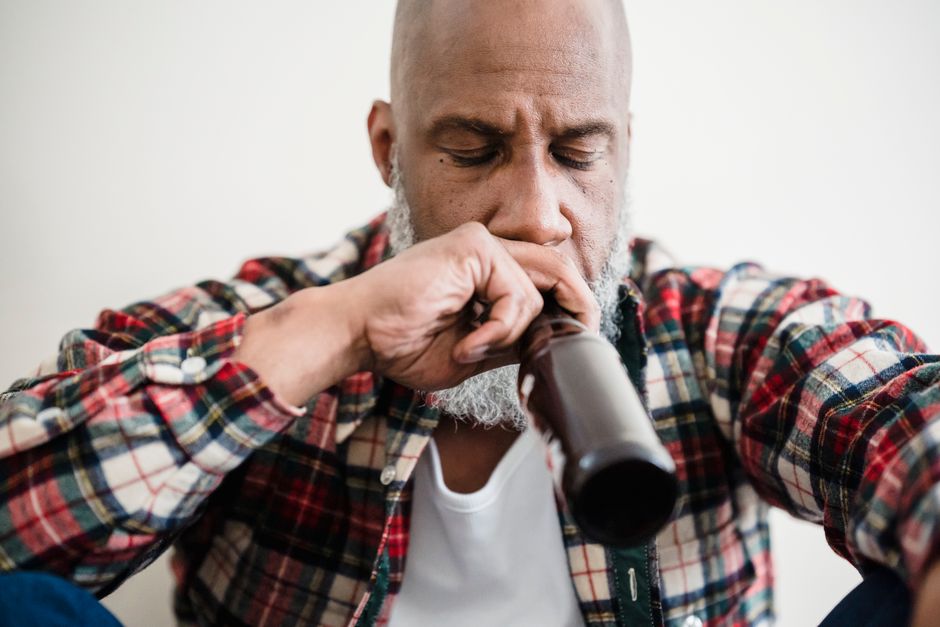
Quitting alcohol is a serious decision, and doing it safely at home is possible for many people, but it depends heavily on how much you drink. If you are a heavy daily drinker, stopping suddenly can cause dangerous withdrawal symptoms, so knowing the key steps and key facts before you start is critical. The safest approach involves understanding your own drinking level, planning a gradual reduction if needed, and knowing the warning signs that require medical help.
How To Quit Alcohol Safely At Home Key Steps? Key Facts
The first step is an honest look at how much you actually drink. The National Institute on Alcohol Abuse and Alcoholism (NIAAA) defines heavy drinking as more than 4 drinks per day or 14 per week for men, and more than 3 per day or 7 per week for women. If you are above these levels, especially if you drink daily, your body has likely adapted to alcohol’s presence.
For someone drinking at or below these thresholds, quitting cold turkey is usually safe but can still be uncomfortable. For someone drinking well above them, especially for weeks or months, a slow taper over several days or weeks is the safer path. The key fact is that alcohol withdrawal can be dangerous, and the safest plan matches your actual consumption level.
What Happens to Your Body When You Stop Drinking?
Your brain has adjusted to alcohol as a depressant. When you remove it, your nervous system can become overexcited. This is withdrawal. Symptoms range from mild anxiety and shakiness to severe confusion, hallucinations, and seizures.
Mild symptoms usually start 6 to 12 hours after your last drink. They include headache, nausea, sweating, and trouble sleeping. These are uncomfortable but not dangerous for most people. Moderate symptoms like rapid heart rate and high blood pressure need closer attention.
Severe withdrawal, called delirium tremens (DTs), is a medical emergency. It typically hits 48 to 72 hours after stopping. Symptoms include fever, confusion, and seizures. Research published in medical journals shows that about 3 to 5 percent of people who go through untreated alcohol withdrawal will experience DTs. This is why knowing your risk level before you start is non-negotiable.
How Do You Know If You Need Medical Help to Quit?
This is the most important question to ask yourself. If you have experienced withdrawal symptoms before, especially seizures or DTs, you should not try to quit at home without a doctor involved. The same goes if you have a history of severe alcohol use disorder, other medical conditions like liver disease or heart problems, or if you take medications that interact with alcohol.
The Clinical Institute Withdrawal Assessment for Alcohol (CIWA) is a tool doctors use to rate withdrawal severity. You cannot do this perfectly at home, but you can watch for red flags. If your heart rate stays above 100 beats per minute at rest, if you feel confused or see things that are not there, or if you vomit repeatedly and cannot keep fluids down, you need emergency care.
For many people, a phone call to their primary care doctor before starting is enough. Doctors can prescribe medications like benzodiazepines that prevent severe withdrawal. These are not available over the counter, and they are not something to manage on your own. A simple check-in with a healthcare provider can turn a risky situation into a safe one.



What Does a Safe Home Withdrawal Plan Look Like?
If you and your doctor agree that home is safe, structure your plan around three things: gradual reduction, hydration and nutrition, and monitoring.
Gradual reduction is the core of a safe taper. Cut your daily intake by about 10 to 20 percent every few days. For example, if you drink 10 beers a day, drop to 8 or 9 for two days, then to 7, and so on. The goal is to let your brain slowly rebalance without triggering severe withdrawal. Some people find it easier to switch to a lower-alcohol beverage to make counting simpler.
Hydration and nutrition matter more than most people realize. Alcohol depletes your body of fluids, B vitamins, and magnesium. Drink plenty of water. Eat balanced meals even if you have no appetite. A multivitamin with thiamine (vitamin B1) is a good idea because alcohol interferes with thiamine absorption, and deficiency can cause serious brain damage.
Monitoring means checking in with yourself regularly. Keep a log of your drinks, your heart rate if you have a way to check it, and how you feel. Have someone you trust who knows you are quitting and can check on you daily. If symptoms get worse instead of better, you need to adjust your plan or seek help.
Comparing Tapering Versus Cold Turkey
There is no single right method for everyone. The table below shows the main differences between the two approaches so you can see which fits your situation.
| Factor | Tapering (Gradual Reduction) | Cold Turkey (Abrupt Stop) |
|---|---|---|
| Best for | Heavy daily drinkers (over 4-5 drinks per day) | Light to moderate drinkers (under 3-4 drinks per day) |
| Withdrawal risk | Lower, because the brain adjusts slowly | Higher, especially for heavy drinkers |
| Time to complete | Several days to a few weeks | Immediate |
| Self-control needed | High, because you still have alcohol at home | Lower, because you remove alcohol entirely |
| Medical supervision | Recommended for heavy drinkers | Recommended for anyone with past withdrawal issues |
Some people argue that cold turkey is better because it is faster and removes temptation. That is true for light drinkers. But for someone drinking a pint of liquor or more per day, cold turkey can be dangerous. Tapering requires discipline but is medically safer for that group.
What Are the Common Symptoms and How Do You Manage Them?
Even with a slow taper, some withdrawal symptoms are common. Anxiety, irritability, and trouble sleeping are almost universal in the first week. These are not signs that something is wrong. They are signs that your brain is healing.
- Anxiety and restlessness: Deep breathing, short walks, and avoiding caffeine after noon can help. The anxiety usually peaks around day two or three and then slowly fades.
- Insomnia: Your sleep cycle will be disrupted. Expect vivid dreams or nightmares. This is normal. Stick to a consistent bedtime and avoid screens for an hour before sleep. Melatonin supplements are safe for short-term use.
- Nausea and digestive issues: Eat small, bland meals. Crackers, rice, and bananas are easier on the stomach than heavy or spicy foods. Ginger tea can settle nausea.
- Sweating and shakiness: These usually pass within a few days. Stay hydrated. If shaking is severe enough that you cannot hold a glass steady, your taper may be too fast.
Some people report cravings that feel overwhelming. Cravings are a normal part of the process, not a failure. They typically last 15 to 30 minutes. Having a plan for them — like calling a friend, going for a walk, or drinking a glass of water — makes them easier to ride out.
What Should You Avoid While Quitting?
There are a few things that make quitting harder or riskier. Avoid replacing alcohol with other sedatives like benzodiazepines unless a doctor prescribes them. Some people turn to cannabis or over-the-counter sleep aids, but these can interact with withdrawal symptoms in unpredictable ways.
Avoid isolation. Withdrawal can make you feel depressed or ashamed. Staying in touch with even one person who knows what you are doing reduces the risk of relapse and helps you stay honest about how you feel.
A common myth is that exercise will sweat the alcohol out of your system. Your liver processes alcohol, not your sweat glands. Light exercise like walking is fine and helps with anxiety, but intense workouts during the first few days can stress your body when it is already under strain.
Also avoid sudden changes. Do not quit alcohol and start a restrictive diet at the same time. Do not quit smoking at the same time if you smoke. Your brain can only handle one major chemical adjustment at a time. Focus on alcohol first, then tackle other changes.
Common Misconceptions About Quitting Alcohol at Home
A widespread claim is that vitamin supplements alone can prevent severe withdrawal. This is not true. Thiamine and B vitamins prevent specific neurological damage, but they do not stop seizures or DTs. Only medical supervision and proper tapering or medication can do that.
Another misconception is that drinking lots of water will flush alcohol out faster. Water helps with hydration but does not speed up alcohol metabolism. Your liver breaks alcohol down at a fixed rate of about one standard drink per hour, regardless of how much water you drink.
Some people believe that if they have quit before without issues, they are safe to do it again the same way. Alcohol withdrawal can get worse with each episode. A past mild withdrawal does not guarantee a future mild withdrawal. Each attempt should be treated with the same caution.
Some people report that switching from liquor to beer makes quitting easier because it is a lower concentration. That can help with tapering, but the total alcohol content still matters. A 12-ounce beer at 5 percent alcohol has about the same amount of alcohol as a standard shot of liquor. Counting total drinks, not just the type, is what matters.
Frequently Asked Questions
Can I quit alcohol cold turkey if I drink every day?
It depends on how much you drink daily. If you drink more than 4 to 5 standard drinks per day, cold turkey carries a real risk of seizures or delirium tremens and tapering is safer.
How long does alcohol withdrawal last at home?
Mild symptoms usually peak around 24 to 72 hours after your last drink and fade within 5 to 7 days. Some people experience lingering anxiety or sleep issues for a few weeks.
What over-the-counter medications help with withdrawal symptoms?
No over-the-counter medication treats alcohol withdrawal directly. Ibuprofen can help with headaches and melatonin may aid sleep, but they do not prevent severe withdrawal complications.
When should I go to the emergency room while quitting alcohol?
Go to the ER if you have a seizure, become confused, see things that are not there, have a fever, or cannot stop vomiting. These are signs of severe withdrawal that needs medical treatment.
