
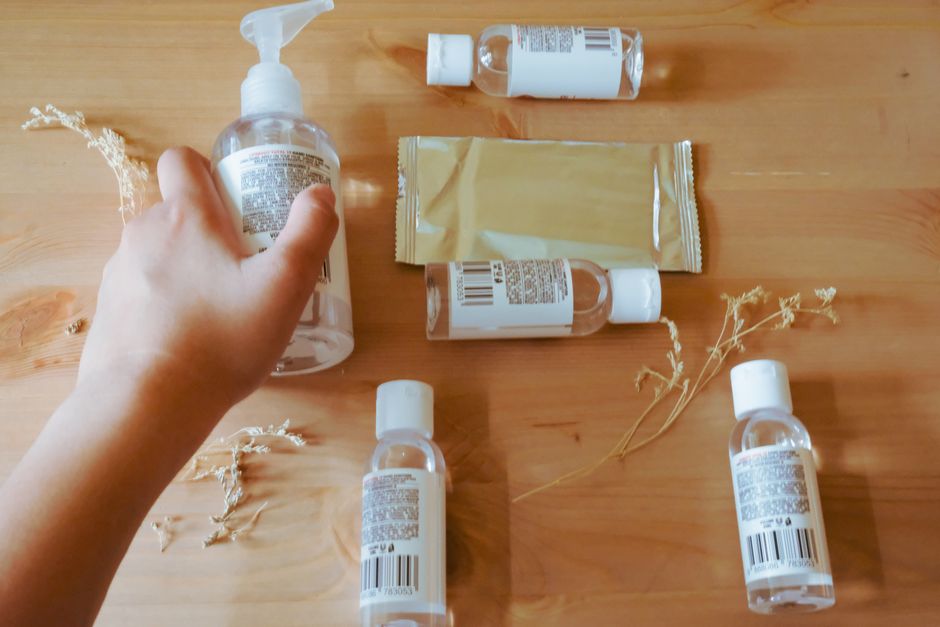
Isopropyl alcohol does disinfect, but only under the right conditions. Concentrations between 60% and 90% kill most bacteria and many viruses on surfaces and skin when used correctly. Higher is not better — 99% isopropyl alcohol actually disinfects more slowly than 70% because it evaporates before it can penetrate microbial cells.
The details matter more than most people realize. Contact time, surface type, and what you are trying to kill all change whether the alcohol works. Here is what the evidence actually supports.
How Does Isopropyl Alcohol Kill Germs?
Isopropyl alcohol destroys microbes by disrupting their cell membranes and denaturing their proteins. It works on contact — but “contact” is the key word.
When alcohol meets a bacterium, it dissolves the lipids in the cell membrane. That membrane loses its structure, the cell’s contents leak out, and the organism dies. Viruses are slightly different. Enveloped viruses — the kind with an outer lipid coat, like influenza and coronaviruses — are relatively easy for alcohol to dismantle because that lipid layer is vulnerable. Non-enveloped viruses like norovirus and poliovirus have a tougher protein shell and resist alcohol far better.
Bacterial spores, including Clostridioides difficile, are essentially unaffected by alcohol. Neither are protozoan cysts like Cryptosporidium. This is a real limitation people overlook. Alcohol is not a universal germ killer.
Water plays a supporting role that surprises many people. In a 70% solution, the remaining 30% water slows evaporation, giving alcohol more time to act. Water also helps alcohol cross cell membranes. Pure alcohol can coagulate proteins on the outer surface of a cell, forming a protective crust that shields the interior. The water in diluted alcohol prevents that from happening as quickly.
What Concentration of Isopropyl Alcohol Should You Use?
70% isopropyl alcohol is the standard for disinfection. It balances killing power with enough contact time to work before it dries.
The evidence behind this is well established in microbiology and has been for decades. The Centers for Disease Control and Prevention and the World Health Organization both reference 60% to 90% alcohol concentrations for disinfecting surfaces and hands. Below 60%, the antimicrobial effect drops off sharply. Above 90%, evaporation happens too fast for reliable killing on many surfaces.
That does not mean 91% is useless. On a wet surface where you can keep it saturated, higher concentrations can still work. It is simply less forgiving. For most household and clinical uses, 70% is the practical choice.
What about 99% isopropyl alcohol?
99% alcohol is useful for cleaning electronics and dissolving certain residues. It is not the best choice for disinfection. It evaporates too quickly on most surfaces to maintain the contact time needed to kill microbes reliably.
How Long Does Isopropyl Alcohol Need to Stay Wet?
Isopropyl alcohol needs to remain visibly wet on the surface for the full contact time to disinfect properly. If it dries before that time is up, the kill is incomplete.
Contact times vary by product and by what you are trying to kill. Some studies show alcohol killing certain bacteria within 10 to 15 seconds of wet contact. Other organisms need longer. The manufacturer’s label on a specific product is the most reliable guide, because formulations differ.
This is where most people go wrong. A quick wipe with an alcohol pad or a spray-and-immediately-wipe motion often does not leave the surface wet long enough. For disinfection, apply enough alcohol that the surface stays wet for the labeled time, then let it air dry or wipe after the contact time has passed.
On porous surfaces like wood or fabric, alcohol soaks in and evaporates fast. It is far less reliable there. Hard, non-porous surfaces — stainless steel, glass, plastic, sealed countertops — are where alcohol performs best.



Is Isopropyl Alcohol the Same as Hand Sanitizer?
Isopropyl alcohol is one of the active ingredients used in hand sanitizers, but the products are not identical. Hand sanitizers add thickeners, humectants like glycerin, and sometimes fragrance to protect skin and improve texture.
The CDC recommends hand sanitizers with at least 60% alcohol when soap and water are not available. Both ethanol and isopropyl alcohol are acceptable active ingredients at that concentration or higher. Used correctly — a sufficient amount rubbed over all surfaces of the hands until dry — alcohol-based sanitizers reduce many germs on hands.
They do not remove visible dirt or grease, and they do not work well against norovirus or C. difficile. Soap and water remain the preferred option when hands are visibly soiled or after using the bathroom.
One practical caution: rubbing pure 99% isopropyl alcohol on your hands repeatedly will dry and irritate skin faster than a formulated sanitizer. It is not a substitute for a proper hand sanitizer product.
What Can Isopropyl Alcohol Not Disinfect?
Isopropyl alcohol fails against several important pathogens. Knowing these gaps matters because people often assume alcohol handles everything.
- Bacterial spores: C. difficile spores survive alcohol. Health care settings use bleach or other sporicidal agents for this reason.
- Non-enveloped viruses: Norovirus, poliovirus, and hepatitis A have protein shells that resist alcohol. Bleach-based or other appropriate disinfectants are needed.
- Protozoan parasites: Cryptosporidium and similar organisms are not reliably killed by alcohol.
- Heavy organic material: Blood, vomit, and feces can shield microbes. Surfaces should be cleaned of visible material before disinfection.
This is an important clarification: “disinfectant” does not mean “kills everything.” The label on a product tells you what it is registered to kill. Isopropyl alcohol is a broad-spectrum disinfectant for many common germs, not a complete one.
Is Isopropyl Alcohol Safe to Use on Skin and Surfaces?
Isopropyl alcohol is safe for occasional skin disinfection and for most hard surfaces when used as directed. It is flammable and should never be used near open flames or on hot equipment.
On skin, it can cause dryness and irritation with repeated use. It should not be applied to large areas of broken skin or open wounds — it damages tissue and slows healing. For cleaning small cuts, soap and water or a gentler antiseptic is generally preferred.
For surfaces, alcohol can damage some plastics, certain finishes, and some screen coatings with repeated exposure. Test on an inconspicuous area first. It is also not appropriate for food contact surfaces unless the surface is allowed to fully evaporate and the product is labeled for that use.
Ventilation matters. Alcohol vapors are harmful to breathe in enclosed spaces. Use it in a well-ventilated area, keep it away from ignition sources, and store it in a closed container away from children and pets.
Isopropyl Alcohol vs. Other Disinfectants
Isopropyl alcohol is one option among several. The right choice depends on what you are cleaning and what you need to kill.
| Disinfectant | Best for | Limitations |
|---|---|---|
| 70% isopropyl alcohol | Hard surfaces, small items, skin | Flammable; fails against spores and non-enveloped viruses |
| Diluted bleach | Spores, norovirus, heavy contamination | Corrosive; must be freshly mixed; irritates skin and lungs |
| Hydrogen peroxide | Surfaces and some viruses | Breaks down in light; less stable |
| Quaternary ammonium | Many surfaces; longer residual action | Weaker against some viruses; requires longer contact |
No single disinfectant covers every pathogen. Matching the product to the job is more important than reaching for the strongest-sounding option.
Frequently Asked Questions
Does 70% isopropyl alcohol kill viruses?
Yes, it kills many enveloped viruses, including influenza and coronaviruses, when the surface stays wet for the labeled contact time. It is much less effective against non-enveloped viruses like norovirus.
Is 99% isopropyl alcohol better for disinfecting?
No. 99% evaporates too quickly on most surfaces to maintain the contact time needed for reliable disinfection. 70% is the standard for disinfection.
Can I use isopropyl alcohol as hand sanitizer?
It can work in a pinch if it is at least 60% concentration, but a formulated hand sanitizer is gentler on skin and more effective when used correctly. Soap and water are preferred when available.
Does isopropyl alcohol kill norovirus?
No, norovirus is a non-enveloped virus that resists alcohol. Bleach-based disinfectants or other appropriate products are needed to clean surfaces after a norovirus illness.
