
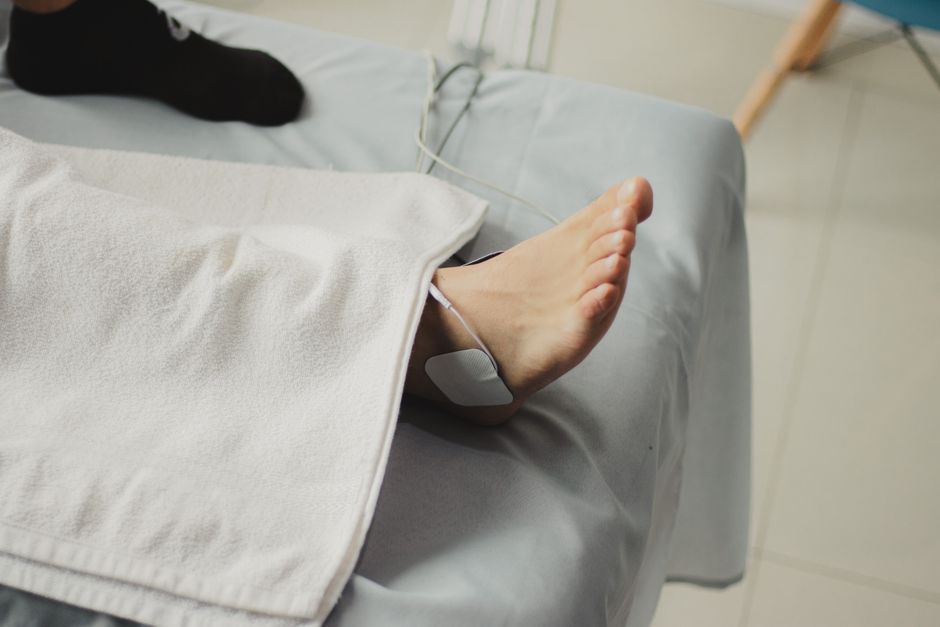
Most foot blisters heal on their own in about one to two weeks if you keep the skin intact and stop the friction that caused them. The fastest safe approach is to leave the blister roof in place, cover it with a loose sterile dressing, and change your footwear until the area is no longer rubbing. Popping a blister raises the risk of infection and usually slows healing rather than speeding it up.
What Actually Happens Under a Blister?
A blister is your skin’s response to damage. When repeated friction shears the upper layers of skin apart, the body fills the gap with fluid to cushion the tissue underneath while it repairs.
That fluid is mostly serum, and the blister roof is dead skin that acts as a natural bandage. It keeps bacteria out and keeps the raw, sensitive layer beneath it protected. This is why clinicians generally advise against breaking a blister open unless it is large, painful, or likely to rupture on its own.
The friction that causes blisters is not simple rubbing. It is a combination of shear force, moisture, and heat. Damp skin from sweat softens the outer layer, making it tear more easily. That is why blisters tend to form on sweaty feet inside shoes during long walks, new boots, or athletic activity. The heel, toes, and the ball of the foot are the most common sites because those areas take the most repeated shear.
How To Get Rid Of Foot Blisters Fast And Safely
The fastest safe method is to protect the blister, reduce friction, and keep the area clean while your skin repairs itself. There is no cream or patch that makes a blister vanish overnight, and products that claim to are not supported by clinical evidence.
Here is a step-by-step approach that matches general wound-care guidance:
- Clean gently. Wash the area with mild soap and water. Pat dry without rubbing.
- Leave the roof intact. Do not pop a blister that is small and not under pressure. The intact skin is the best dressing you have.
- Cover it. Use a sterile adhesive dressing or a blister-specific hydrocolloid patch. Hydrocolloid dressings are widely used in wound care and can stay in place for a day or more, which reduces the friction that caused the problem.
- Pad around it. A donut-shaped moleskin pad placed around (not on) the blister shifts pressure away from the sore spot.
- Change your footwear. Switch to shoes that do not press on the blister until the skin has closed. This is the single most important step and the one people skip.
- Keep it dry between activities. Moisture softens skin and makes new blisters more likely.
Most blisters that stay intact resolve within one to two weeks. If a blister is very large and painful, or sits somewhere it will definitely burst, a clinician can drain it under clean conditions. Doing this yourself with a needle at home carries a real infection risk.
Should You Pop a Blister?
No, in most cases you should not. An intact blister is a sterile, self-sealing dressing. Breaking it exposes raw tissue to bacteria and creates an open wound that can become infected.
There are a few situations where drainage is reasonable, but these are best handled with clean technique or by a clinician. A blister so large it restricts movement, one that is already leaking, or one under a toenail that is causing severe pressure may need attention. If you must drain a blister, the standard approach is to clean the skin, use a sterile needle to make a small hole at the edge, let the fluid drain, keep the roof in place, and cover the area. Never remove the roof.
One clarification worth knowing: the clear fluid inside a friction blister is not pus. It is serum, and it is normal. Pus, by contrast, is cloudy or yellow-green and signals infection. Confusing the two leads people to worry unnecessarily, or to ignore a real problem.



What Are the Signs a Blister Is Infected?
An infected blister needs medical attention. Watch for signs that the wound is not healing cleanly.
- Increasing pain, redness, or swelling around the blister
- Warmth in the surrounding skin
- Cloudy, yellow, or green fluid, or pus
- A bad smell
- Red streaks spreading from the area
- Fever or chills
People with diabetes, poor circulation, or a weakened immune system should take foot blisters seriously from the start. In these groups, even a minor foot wound can become a serious problem, and it is reasonable to contact a clinician early rather than waiting to see how it develops.
How Do You Prevent Blisters in the First Place?
Prevention comes down to reducing friction, moisture, and heat. Most of the practical steps are simple and well supported by the basic mechanics of how blisters form.
- Break in new shoes gradually. Wear them for short periods before long walks.
- Wear moisture-wicking socks. Synthetic or wool blends move sweat away from skin better than cotton, which holds moisture against the foot.
- Try a two-sock system. A thin liner sock under a thicker sock lets layers slide against each other instead of against your skin.
- Use friction-reducing products. Some people apply petroleum jelly or anti-chafe balms to high-risk spots. Evidence for these is limited but the approach is low-risk.
- Address hot spots early. The moment you feel rubbing, stop and cover the area. A dressing applied to a hot spot often prevents a full blister.
- Keep feet dry. Change socks if they get damp, especially during long hikes or shifts on your feet.
Footwear fit matters more than most people realize. A shoe that is slightly too small, or laced too loosely so the heel slides, creates exactly the shear forces that cause blisters. Checking the heel lock on your laces is a small fix with real payoff.
When Should You See a Doctor?
Most blisters are minor and heal without medical care. Some situations warrant a professional look.
See a clinician if you have signs of infection, if the blister is not improving after a week or two, or if you have diabetes or circulation problems. Also seek care if a blister is unusually large, extremely painful, or located where it keeps re-injuring.
It is also worth noting that not every foot blister is caused by friction. Blisters that appear without any rubbing, recur in the same spot, or come with other symptoms can have different causes, and those should be evaluated rather than self-treated. This is uncommon, but it is the reason persistent or unexplained blisters deserve attention.
Frequently Asked Questions
How long does a foot blister take to heal?
Most intact friction blisters heal in about one to two weeks. Healing takes longer if the blister opens or becomes infected.
Can I walk on a blister?
Yes, if it is small and covered with a protective dressing. If walking is painful or the blister keeps rubbing, change footwear or rest the foot until it improves.
What is the fastest way to dry out a blister?
There is no safe way to speed up healing beyond protecting the blister and reducing friction. Keep it clean and covered, and avoid popping it, which tends to slow healing and raises infection risk.
Should I cover a blister overnight?
Yes, a clean dressing protects the area while you sleep and prevents the roof from tearing. Change the dressing if it becomes wet or dirty.
