

Pregnancy Medicaid is health coverage for pregnant people who meet their state’s income rules — and those rules are far more generous than regular Medicaid. In most states, a pregnant person can earn well above the federal poverty line and still qualify. The application is free, coverage can start before final approval, and in nearly every state, benefits continue for a set period after the baby is born.
What Is Pregnancy Medicaid and How Is It Different From Regular Medicaid?
Pregnancy Medicaid is the same program as regular Medicaid, but with a higher income limit applied specifically to people who are pregnant. Congress gave states the option to cover pregnant women at higher income levels decades ago, and every state took it. That means a pregnant applicant who earns too much for standard Medicaid may still qualify under the pregnancy category.
The income cutoff varies by state. Some states set it around 200% of the federal poverty level. Others go higher, and a few use the Affordable Care Act’s expanded income threshold. Because the federal government pays a larger share of the cost for pregnancy coverage, states have a financial reason to keep these limits generous.
There is a second difference that matters just as much: speed. Pregnancy applications are processed under rules designed to get coverage started quickly, because prenatal care has a real effect on birth outcomes. Many states issue presumptive eligibility — temporary coverage that begins the same day or within days, before the full application is reviewed.
How To Qualify For Pregnancy Medicaid Requirements: Income, Residency, and Citizenship
Three things decide whether you qualify: your household income, where you live, and your immigration status. Age and disability do not factor in. Neither does whether you have a job.
Income is the main gate. The state compares your household’s monthly or annual income to a percentage of the federal poverty level. The federal poverty level is updated each year, so the dollar amount changes annually. You can find your state’s current pregnancy income limit through your state Medicaid office or HealthCare.gov.
How income is counted matters. Most states use what is called Modified Adjusted Gross Income, or MAGI. Under MAGI rules, some income is excluded, and a standard deduction is applied based on household size. This means your gross paycheck is not always the number the state uses.
Household size includes you, your unborn child (in most states, the pregnant person counts as more than one person for coverage purposes), and anyone else you support or file taxes with. Counting the unborn child usually raises the income limit you can fall under.
Residency means you live in the state where you apply. You do not need a permanent address. States generally accept a mailing address, a shelter, or a statement from someone you are staying with.
Immigration status is where the rules get complicated. U.S. citizens and many lawfully present immigrants qualify. Some immigrants must wait five years before qualifying for full Medicaid, though emergency Medicaid and pregnancy-related coverage often have different rules. If your status is uncertain, apply anyway — the state determines eligibility, not you.
What Documents Do You Need To Apply?
You need proof of identity, income, pregnancy, and where you live. Missing documents do not automatically disqualify you — the state will usually tell you what is missing and give you time to send it.
- Identity: driver’s license, state ID, birth certificate, passport, or other government-issued ID
- Income: recent pay stubs, an employer letter, tax return, or a statement if you have no income
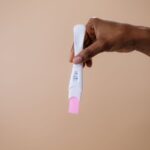
- Pregnancy: a letter from a doctor, midwife, or clinic, or a positive test confirmed by a provider
- Residency: a lease, utility bill, mail, or a signed statement from someone you live with
- Immigration status (if applicable): green card, visa, or other immigration documents
If you have no income at all, that is not a barrier. You can sign a statement saying so. Many applicants who are between jobs, students, or supported by a partner still qualify.



How Do You Apply and How Long Does It Take?
You can apply online, by phone, by mail, or in person. The fastest route is usually your state’s online Medicaid portal or HealthCare.gov, which routes your application to the right state agency.
Once submitted, most states must decide within a set number of days, though the exact timeline varies. You may be asked for more information. Respond quickly — delays often come from missing paperwork, not from being ineligible.
If you need care before the decision, ask about presumptive eligibility. A qualified provider or clinic can grant temporary coverage on the spot in many states. That coverage pays for prenatal visits while the full application is pending. If the full application is later denied, the temporary coverage usually still stands for the care already received.
Coverage, once approved, is typically backdated to the date you applied. That means bills from care you received after applying may be covered.
What Does Pregnancy Medicaid Cover?
Pregnancy Medicaid covers prenatal visits, lab work, ultrasounds, prescription medications, hospital care, and delivery. It also covers postpartum care for a period after birth. Federal law sets a minimum, and many states extend it. As of recent federal policy, states have the option to provide a full year of postpartum coverage, and most have adopted it.
Coverage generally includes:
- Doctor and midwife visits during pregnancy
- Routine labs, screenings, and imaging
- Prescriptions related to pregnancy
- Labor and delivery, including cesarean delivery
- Postpartum checkups and related care
- Mental health and substance use treatment in many states
Dental coverage during pregnancy varies by state. Some states cover it fully, others limit it. If dental care matters to you, ask your state office directly.
What Happens to Coverage After the Baby Is Born?
Your pregnancy Medicaid does not end the day you deliver. Coverage continues for a set postpartum period. Under federal standards, that period is a minimum of 60 days, and most states have extended it to 12 months through a policy option created in 2021.
Your baby is usually eligible for Medicaid or the Children’s Health Insurance Program automatically, based on your household income. In many states, the newborn is enrolled at birth and stays covered for at least a year. You do not always have to file a separate application — but you should confirm enrollment to avoid gaps.
When the postpartum period ends, you may lose coverage if your income is above the regular Medicaid limit. Before that happens, check whether you qualify for a marketplace plan with subsidies, or for regular Medicaid under a different category. Losing pregnancy coverage is a qualifying life event that opens a special enrollment period for marketplace insurance.
Common Reasons Applications Get Denied
Most denials are fixable. The usual causes are missing documents, an income figure that was reported incorrectly, or a missed deadline to respond to the state.
If you are denied, you have the right to appeal. The denial notice will explain how and by when. Appeals are often successful when the original problem was paperwork rather than actual ineligibility.
One common misunderstanding: many people assume they earn too much to bother applying. Because pregnancy income limits are higher than standard Medicaid limits, that assumption is often wrong. If you are unsure, apply. There is no cost and no penalty for being denied.
Frequently Asked Questions
What is the income limit for pregnancy Medicaid?
The limit varies by state and is set as a percentage of the federal poverty level, which changes each year. Most states set it well above the standard Medicaid limit, so check your state’s current figure before assuming you earn too much.
Can I qualify for pregnancy Medicaid if I have a job?
Yes. Having a job does not disqualify you. Eligibility depends on your household income compared to your state’s pregnancy limit, not on whether you are employed.
How fast can pregnancy Medicaid coverage start?
Many states offer presumptive eligibility, which can start coverage the same day or within days. Full approval timing varies by state and depends on how quickly you provide required documents.
How long does pregnancy Medicaid last after delivery?
Coverage continues for at least 60 days after birth under federal standards, and most states have extended it to 12 months. Your baby is usually eligible for coverage separately.
