
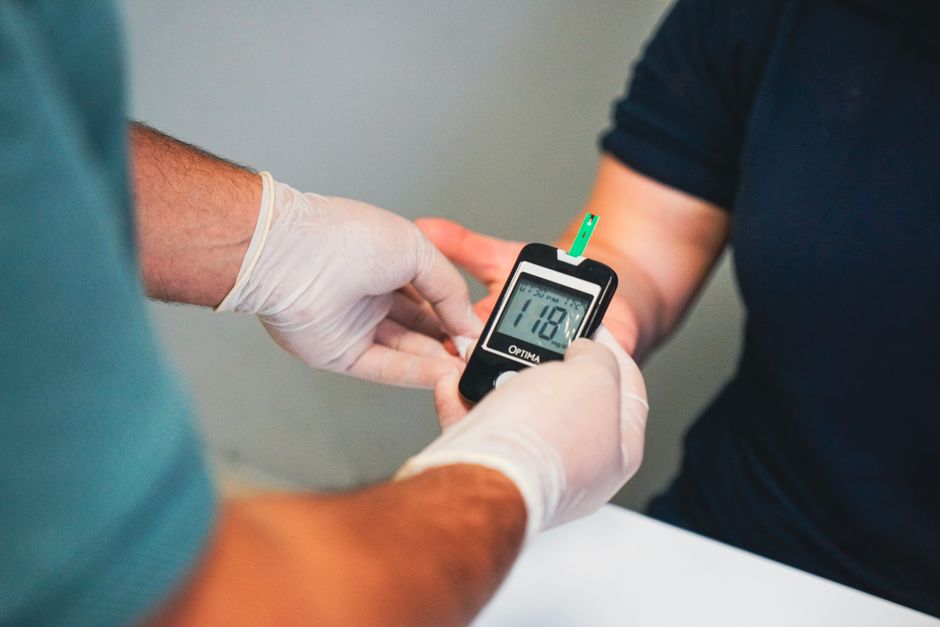
Rh typing is a blood test that checks whether you carry the Rh protein on your red blood cells. If you do, you are Rh positive. If you do not, you are Rh negative. The test matters most during pregnancy, because an Rh-negative mother carrying an Rh-positive baby can develop antibodies that harm that baby or future pregnancies.
That is the short answer. The rest of this article explains what the test actually measures, why the mismatch happens, what can go wrong, and how modern medicine manages it.
What Is Rh Typing Meaning Test And Pregnancy Risks?
Rh typing is a standard blood test that looks for a specific protein on the surface of red blood cells. That protein is called the Rh factor, or D antigen. It has nothing to do with your general health. It is simply a genetic trait, like eye color.
You are either Rh positive or Rh negative. There is no in-between and no partial state in standard testing. Roughly 85 percent of people in the United States are Rh positive, according to general population data. The remaining 15 percent are Rh negative.
The test itself is simple. A blood sample is mixed with antibodies that react to the D antigen. If the cells clump together, the D antigen is present, and you are Rh positive. If they do not, you are Rh negative. Results are reported alongside your ABO blood type, which is the A, B, AB, or O part.
During pregnancy, Rh typing is done early, usually at the first prenatal visit. The reason is not about the mother’s health. It is about what could happen to the baby if the mother is Rh negative and the baby is Rh positive.
Why Does Rh Incompatibility Matter During Pregnancy?
Rh incompatibility only becomes a problem when an Rh-negative mother carries an Rh-positive baby. This is called Rh incompatibility, and it is the situation the test is designed to catch.
Here is the mechanism. A baby’s Rh status comes from both parents. If the father is Rh positive, the baby may be Rh positive even if the mother is Rh negative. During pregnancy, a small amount of the baby’s blood can cross into the mother’s bloodstream. This most often happens at delivery, but it can also happen earlier from bleeding, miscarriage, abortion, or certain procedures.
When an Rh-negative mother is exposed to Rh-positive blood, her immune system treats the D antigen as foreign. It builds antibodies against it. This process is called sensitization, or alloimmunization.
The key point is timing. Sensitization usually does not harm the baby during the pregnancy in which it happens. The mother’s immune response takes time to develop, and the first pregnancy is often not affected. The danger comes with a later pregnancy. Once the mother has antibodies against the D antigen, those antibodies can cross the placenta and attack the red blood cells of an Rh-positive baby.
That attack is called hemolytic disease of the fetus and newborn, or HDFN. It can cause anemia, jaundice, and in severe cases, serious complications. This is why the test and the follow-up care matter.
What Happens If You Are Rh Negative?
Being Rh negative is not a disease. It is a normal genetic variation. It only requires attention during pregnancy or after certain events.
If you are Rh negative and pregnant, your doctor will check the baby’s Rh status. This can be done through a blood test that looks for fetal DNA in the mother’s blood, a test called cell-free fetal DNA screening. In some cases, the baby’s Rh status is confirmed after birth by testing the cord blood.
If the baby is Rh negative, there is no incompatibility and no further action is needed for Rh purposes. If the baby is Rh positive, or if the baby’s status is unknown, the mother is offered a treatment called Rh immune globulin.
Rh immune globulin is a shot that contains antibodies against the D antigen. It works by destroying any Rh-positive fetal blood cells in the mother’s bloodstream before her immune system can recognize them and build its own antibodies. In other words, it prevents sensitization. It does not treat an existing sensitization.
This is one of the clearest success stories in preventive medicine. Before Rh immune globulin became standard, HDFN was a significant cause of fetal and newborn death. Today, with routine testing and treatment, the condition is rare in countries where this care is available.





When Is Rh Immune Globulin Given?
Timing matters. Rh immune globulin is given at specific points when the risk of blood mixing is highest.
The standard schedule in the United States includes a dose around 28 weeks of pregnancy and another dose within 72 hours after delivery if the baby is Rh positive. The 72-hour window is based on how long it takes for the immune system to begin producing its own antibodies. Giving the shot within that window is most effective.
Additional doses may be recommended after events that can cause fetal blood to enter the mother’s circulation, such as:
- Miscarriage or pregnancy loss
- Ectopic pregnancy
- Abortion
- Amniocentesis or chorionic villus sampling
- Bleeding during pregnancy
- Physical trauma to the abdomen
- External version, a procedure to turn a breech baby
The exact dose and schedule should be determined by a healthcare provider. Dosing is based on clinical guidelines and is not something to estimate on your own.
Can Rh Sensitization Be Treated If It Already Happened?
If a woman is already sensitized, Rh immune globulin will not reverse it. The focus shifts to monitoring and managing the pregnancy closely.
Doctors may use ultrasound to check for signs of fetal anemia, such as increased blood flow in certain vessels. If anemia is detected, treatment options include intrauterine blood transfusion, which delivers blood directly to the baby through the umbilical cord. This is a specialized procedure performed at centers with experience in high-risk pregnancies.
Early delivery may also be considered if the baby is far enough along and the risks of continuing the pregnancy outweigh the risks of being born early. These decisions are made case by case.
Sensitization is uncommon in countries with routine Rh immune globulin use. When it does occur, it is often because the shot was not given, was given too late, or was not given after a sensitizing event.
What Does Rh Typing Mean for Future Pregnancies?
If you are Rh negative and you receive Rh immune globulin as recommended, your risk of sensitization is greatly reduced. That protection applies to future pregnancies as well.
If you are already sensitized, the risk to each subsequent Rh-positive pregnancy can increase. The immune system remembers the D antigen and can respond faster and more strongly with each exposure. This is why monitoring is important.
If you are Rh positive, Rh incompatibility is not a concern for you. Your blood already carries the D antigen, so your immune system has no reason to attack it.
If you are Rh negative and the baby’s father is also Rh negative, the baby will be Rh negative, and there is no incompatibility. If the father is Rh positive, the baby may be Rh positive, and the standard precautions apply.
What Are the Risks of Rh Typing and Rh Immune Globulin?
The blood test itself carries the same minor risks as any blood draw. These include slight pain, bruising, or a small risk of infection at the needle site. Serious complications are rare.
Rh immune globulin is generally well tolerated. Some people experience mild side effects at the injection site, such as soreness or swelling. Allergic reactions are rare. The evidence supporting its use in preventing HDFN is strong and consistent across decades of clinical use.
It is worth being clear about what the evidence does and does not show. Rh immune globulin is proven to prevent sensitization in Rh-negative women who are not already sensitized. It is not a treatment for existing sensitization. It does not treat an Rh-positive baby who is already affected. Its role is prevention, and it works best when given on schedule.
Frequently Asked Questions
What does it mean if I am Rh negative?
It means your red blood cells do not carry the Rh D antigen. This is a normal genetic trait and only requires attention during pregnancy or after certain medical events.
Can an Rh-negative mother have a healthy baby?
Yes. With routine testing and Rh immune globulin when indicated, most Rh-negative mothers have healthy pregnancies and babies. The key is following the recommended schedule for testing and treatment.
When is Rh immune globulin given during pregnancy?
It is typically given around 28 weeks of pregnancy and again within 72 hours after delivery if the baby is Rh positive. Additional doses may be given after events like miscarriage or amniocentesis.
Is Rh incompatibility always dangerous?
No. It only matters when an Rh-negative mother carries an Rh-positive baby and becomes sensitized. Without sensitization, there is no risk to the baby.
