
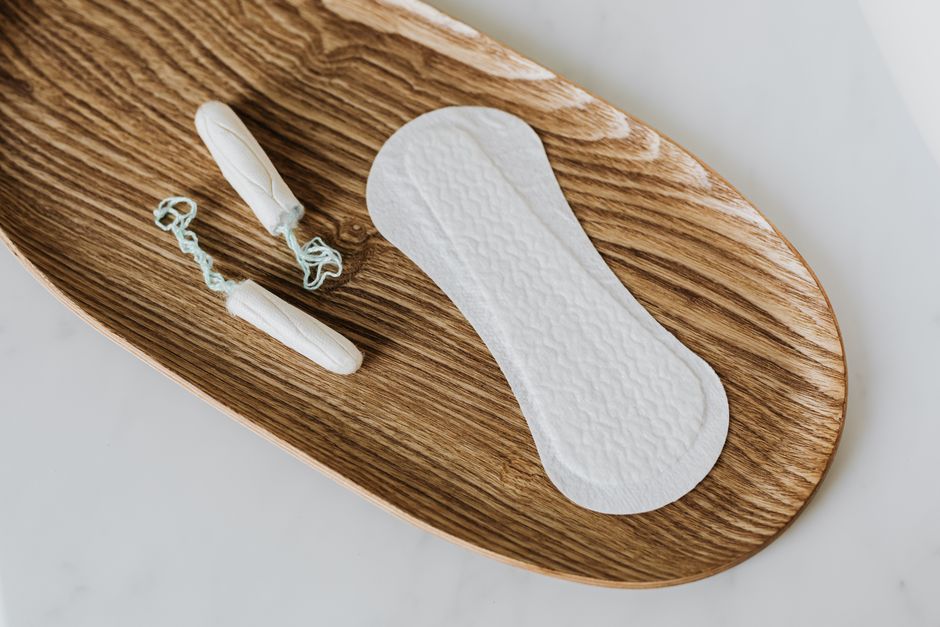
Inserting a tampon for the first time can feel awkward, but the process is straightforward once you understand your anatomy. You insert the tampon into your vaginal opening, push it in until only the string remains outside, and then remove the applicator. The key is to relax, aim toward your lower back, and use a comfortable position like sitting on the toilet or standing with one leg raised. This guide walks through every step with clear, practical instruction so you can do it with confidence.
Before You Start: What You Need to Know
Your vagina is a muscular canal that angles toward your lower back, not straight up. This angle matters because it tells you which direction to aim the tampon. The vaginal opening sits between your urethra (where urine comes out) and your anus.
Choose the right absorbency for your flow. On light days, use a “regular” or “light” tampon. On heavy days, “super” or “super plus” may be needed. Using a higher absorbency than necessary increases the risk of vaginal dryness and irritation, and it raises the risk of toxic shock syndrome (TSS), a rare but serious bacterial infection. Always use the lowest absorbency that handles your flow.
Wash your hands before and after insertion. This reduces the chance of introducing bacteria into the vagina. Keeping your fingernails short also helps prevent accidental scratching of the delicate vaginal tissues.
How To Put In A Tampon A Visual Step By Step
Start by unwrapping the tampon. If it has an applicator, hold it between your thumb and middle finger at the grip area — the textured or ridged part near the middle. The plunger, which is the narrower inner tube, should be positioned at the base.
Get into a comfortable position. The most common options are sitting on the toilet with knees spread wide, squatting, or standing with one foot elevated on the toilet seat or a stool. No position is wrong — choose what feels most stable and relaxed for you.
With your free hand, gently separate the labia (the folds of skin around the vaginal opening). This opens the area so you can see where to insert. Place the tip of the applicator at the vaginal opening, not the urethra. The urethra is higher and closer to the clitoris; the vaginal opening is lower, between the urethra and the anus.
Push the applicator into the vagina at a slight upward and backward angle — aim toward your lower back, not straight up. Slide it in until your fingers touch your body. This means the applicator is fully inserted. If you feel resistance, adjust the angle slightly. The vaginal walls are muscular, so some pressure is normal, but sharp pain is not.
Once the applicator is fully inserted, push the plunger with your index finger. This releases the tampon into the vagina. Then, remove the applicator by pulling it out gently. The string should hang outside your body. If you cannot feel the string, the tampon may not be inserted far enough — insert a clean finger and push the tampon in a bit further.
If insertion is painful or you feel the tampon, it is likely not positioned correctly. Remove it and try again with a fresh tampon. The upper portion of the vagina has few nerve endings, so once a tampon is placed correctly, you should not feel it at all.
How to Remove a Tampon
Removal is simpler than insertion. Sit on the toilet, relax your pelvic muscles, and gently pull the string downward and slightly forward. The tampon should slide out easily. If it resists, bear down slightly as if having a bowel movement — this relaxes the pelvic floor and helps the tampon descend.
If the string is not visible, do not panic. Squat and insert a clean finger into the vagina. Sweep your finger in an arc to locate the tampon. You will feel it as a soft, cottony mass. Hook it with your finger and pull it out gently. If you still cannot find it, it may have fallen out already or you may not have inserted one.
Never leave a tampon in for more than 8 hours. Leaving it longer increases the risk of TSS. If you cannot remove a tampon after several attempts, contact a healthcare provider. They can remove it quickly in an office visit. A lost tampon cannot travel into your uterus — the cervix blocks that passage — but it does need to be removed to prevent infection.





Common Mistakes and How to Avoid Them
The most common mistake is not inserting the tampon far enough. If the tampon sits too low in the vaginal canal, you will feel it, and it may cause discomfort or leakage. The applicator should be fully inserted — your fingers touching your body — before you push the plunger.
Another mistake is aiming straight up instead of toward the lower back. The vagina angles backward at about 45 to 60 degrees when standing. Aiming straight up causes the tampon to hit the anterior vaginal wall, which can be uncomfortable.
Using the wrong absorbency is also common. A tampon that is too absorbent for a light flow can cause dryness, making removal painful and increasing the risk of micro-tears in the vaginal lining. If removal hurts, switch to a lower absorbency.
Some people worry about losing a tampon inside the body. This cannot happen. The cervix, which is the opening to the uterus, is too small for a tampon to pass through. The tampon remains in the vaginal canal where it can always be reached by a finger.
What About Toxic Shock Syndrome?
Toxic shock syndrome is a rare but serious condition linked to tampon use. It is caused by Staphylococcus aureus bacteria producing toxins in the vagina. Symptoms include sudden high fever, vomiting, diarrhea, a sunburn-like rash, dizziness, and confusion.
To reduce the risk, change tampons every 4 to 8 hours, use the lowest absorbency needed, and alternate with pads or period underwear, especially overnight. If you have had TSS before, do not use tampons at all — the American College of Obstetricians and Gynecologists recommends against it in this case.
If you develop symptoms of TSS while using a tampon, remove the tampon immediately and seek medical care right away. TSS is treatable, but it requires prompt medical attention.
When to See a Healthcare Provider
Insertion should never cause sharp or severe pain. If you experience this consistently, it may indicate a condition such as a narrow vaginal opening, a septate hymen, or vaginal stenosis. A healthcare provider can evaluate this.
If you cannot insert a tampon after multiple attempts, do not force it. Forcing can cause injury. Some people have a hymen that partially covers the vaginal opening, which can block insertion. This is not dangerous, but it does require professional evaluation.
If you have an unusual discharge, persistent odor, itching, or irritation, stop using tampons and see a provider. These symptoms could indicate an infection or a retained tampon. A forgotten tampon can cause a foul-smelling discharge within days. It is treatable, but it must be removed.
Frequently Asked Questions
Does it hurt to put in a tampon?
It should not hurt if you are relaxed and using the correct angle. Mild pressure is normal, but sharp pain means the tampon is not positioned correctly or you need a smaller size.
Can a tampon get lost inside me?
No. The cervix blocks the passage to the uterus, so a tampon stays in the vaginal canal where you can always reach it with your finger.
How long can I leave a tampon in?
Change it every 4 to 8 hours. Never leave one in for more than 8 hours to reduce the risk of toxic shock syndrome.
Why can I feel my tampon?
You feel it because it is not inserted far enough. Push it in further with a clean finger, or remove it and try again with a fresh tampon.
