
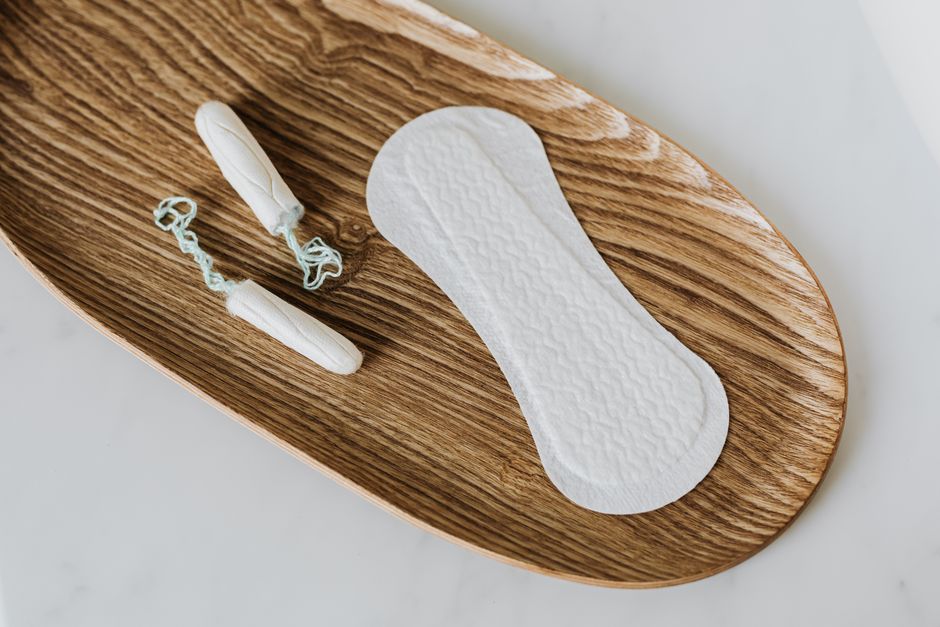
Putting in a tampon for the first time can feel awkward, but it does not have to be hard. The basic steps are simple: get comfortable, find the right angle, insert the tampon until your fingers touch your body, and push the plunger to release it. That is the short version. This article walks you through each step in plain language, explains what the evidence actually says, and clears up the myths that make this harder than it needs to be.
What Is the Correct Way to Insert a Tampon?
The correct way starts with being relaxed. Tension in your pelvic muscles makes insertion harder than it needs to be. Sit on the toilet with your knees apart or stand with one foot on the toilet seat. Both work. Choose what feels natural.
Hold the tampon at the grip — the spot where the smaller inner tube meets the larger outer tube. Point the rounded tip toward your vagina. Angle it slightly toward your lower back, not straight up. Slide it in slowly until your fingers touch your body. Then push the inner tube all the way in to release the tampon. Pull the outer tube out. The string stays outside your body.
If it does not slide in easily, the angle is likely wrong. Adjust the angle toward your tailbone. Never force it. If it hurts, stop and try again with a fresh tampon. Pain usually means the angle is off or you are not relaxed enough.
How Do You Know If You Inserted It Correctly?
You should not feel a correctly placed tampon at all. If you feel it, it is probably not far enough in. The tampon sits in the upper part of the vaginal canal where there are fewer nerve endings. If it sits too low near the opening, you will feel constant pressure.
Check by walking around for a minute. If you still feel it, remove it and try again with a fresh one. A tampon that is not deep enough can also leak because it is not positioned to catch flow properly. The string should hang outside your body by about an inch. If the string disappears inside, the tampon may be too high, but that is rare and not dangerous.
Research published in the Journal of Women’s Health found that most first-time users who reported discomfort had not inserted the tampon far enough. The fix was simple: push it in another half inch.
Does Tampon Size Matter for Comfort?
Yes, size matters more than most people realize. Tampons come in absorbency levels — light, regular, super, and super plus. Many people pick “regular” because that is what is on the shelf, but your flow changes throughout your period. Using a super tampon on a light day can cause dryness and make removal painful.
The American College of Obstetricians and Gynecologists recommends using the lowest absorbency that handles your flow. If a tampon comes out dry or with white fibers still showing, you need a lower absorbency. If it leaks in under four hours, go up one level.
Here is a simple comparison of common tampon sizes:
| Absorbency Level | Typical Use | Average Grams Absorbed |
|---|---|---|
| Light | Light flow days, end of period | 6-9 grams |
| Regular | Medium flow days | 9-12 grams |
| Super | Heavy flow days | 12-15 grams |
| Super Plus | Very heavy flow, overnight | 15-18 grams |
These numbers come from FDA standards for absorbency labeling. No tampon brand absorbs exactly the same, but the categories are regulated. Stick with the category that matches your flow, not the brand name.





What Are Common Mistakes People Make When Inserting Tampons?
Several mistakes show up again and again in clinic visits and user surveys. Knowing them ahead of time can save you frustration.
- Not relaxing the pelvic floor. Tight muscles create resistance. Take three slow breaths before inserting.
- Using the wrong angle. Pointing the tampon straight up instead of toward your lower back is the most common error. Aim for your tailbone.
- Not pushing the plunger all the way. If the plunger stops halfway, the tampon sits too low. Push until the inner tube is fully depressed.
- Leaving the applicator in. The outer tube comes out. Only the cotton tampon stays inside. Both tubes come out after insertion.
- Forcing it when it is dry. Never insert a tampon if you are not bleeding. Dry insertion causes micro-tears in the vaginal tissue and increases risk of infection.
Some people report that plastic applicators are easier to insert than cardboard ones. That is a personal preference, not a medical recommendation. Both work the same way once inside.
How Do You Put A Tampon In Correctly If You Have Never Used One?
If this is your first time, start with a light or regular absorbency tampon with a plastic applicator. Read the instructions that come in the box. They are usually clear and include diagrams.
Find a private space where you will not be rushed. Sit on the toilet with your knees wide apart. This position opens the vaginal canal naturally. Hold the tampon at the grip with your thumb and middle finger. Your index finger rests on the top of the inner tube, ready to push it.
Insert the rounded tip into your vaginal opening. Angle it slightly backward, toward your lower spine. Slide it in until your fingers touch your body. This means the outer tube is fully inside. Then push the inner tube with your index finger until it clicks or stops. Pull the outer tube out. The string will hang outside.
Wash your hands before and after. Change your tampon every four to eight hours. Never leave one in longer than eight hours. The CDC reports that toxic shock syndrome, while rare, is linked to leaving tampons in too long. Following the time guidelines keeps the risk near zero.
What Does Research Say About Tampon Use and Safety?
The evidence on tampon safety is well established. The FDA regulates tampons as medical devices. Manufacturers must test for absorbency, material safety, and bacterial contamination before products reach shelves.
Research published in Obstetrics & Gynecology found no increased risk of pelvic inflammatory disease or urinary tract infections with proper tampon use. The key word is proper — changing regularly, not using higher absorbency than needed, and washing hands before insertion.
Concerns about chemicals in tampons come up often online. Some studies have detected trace levels of dioxins and pesticide residues in cotton tampons. The FDA states that these levels are far below what would cause harm. Organic cotton tampons are available for people who want to avoid synthetic materials entirely. There is no clinical evidence that organic tampons are safer or more effective than conventional ones. It is a personal choice.
Frequently Asked Questions
Frequently Asked Questions
Can you put a tampon in wrong?
Yes, but it is usually just a positioning issue. The most common problems are not pushing it far enough in or using the wrong angle. These are easy to fix.
Does it hurt to put a tampon in for the first time?
It should not hurt if you are relaxed and use the right angle. Mild discomfort is normal. Sharp pain means stop and try again later.
How long can you leave a tampon in?
Four to eight hours is the recommended range. Never exceed eight hours. Change it more often on heavy flow days to prevent leaks.
Can you sleep with a tampon in?
Yes, but insert a fresh one right before bed and remove it first thing in the morning. Do not leave it in longer than eight hours total.
