
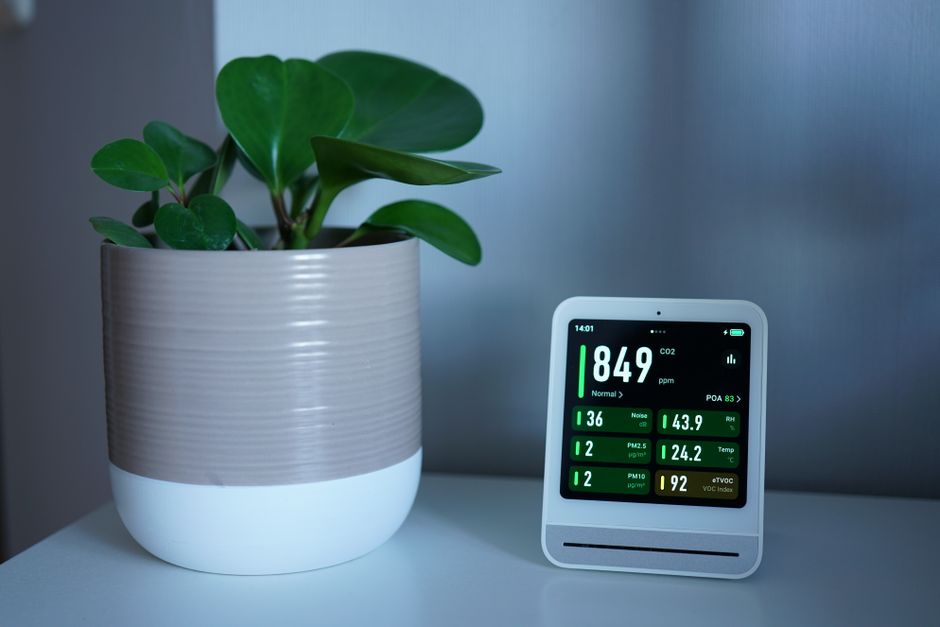
If you want cleaner indoor air, the best approach combines three things: remove pollution at the source, bring in fresh outdoor air, and use a HEPA filter. Other products like ozone generators and ionizers are not proven to be safe or effective. This article explains what actually works and what does not.
How To Purify Air In A Room What Actually Works?
The most effective way to clean indoor air is to stop particles and gases from getting into the room in the first place. That means not smoking indoors, using a vent fan while cooking, and fixing any mold or moisture issues. After source control, ventilation with outdoor air is the next best step. Opening windows or using a mechanical ventilation system dilutes indoor pollutants. When ventilation alone is not enough, a portable air cleaner with a HEPA filter can remove fine particles like dust, pollen, and smoke. Activated carbon filters help with gases and odors. Avoid devices that intentionally produce ozone — they are not safe and do not clean air well.
Does Opening Windows Really Purify Air?
Yes, opening windows is one of the simplest and most effective ways to improve indoor air quality. Outdoor air usually contains fewer pollutants than indoor air. When you open windows, you dilute indoor concentrations of carbon dioxide, volatile organic compounds (VOCs), and particles. However, outdoor air is not always clean. If you live in an area with high pollen, wildfire smoke, or heavy traffic, you may need to close windows and rely on a mechanical system with a filter. Even then, brief ventilation during cleaner times can still help.
Do HEPA Air Purifiers Work?
True HEPA filters are very effective. They remove at least 99.97% of particles that are 0.3 microns in size. Larger and smaller particles are captured even more efficiently. HEPA purifiers can reduce airborne dust, pet dander, mold spores, pollen, and some bacteria and viruses. To get the benefit, you need a clean air delivery rate (CADR) high enough for the room size. Place the purifier in the room you spend the most time in, and run it continuously on a higher fan setting. No filter removes gases like formaldehyde or benzene — for that you need an activated carbon layer.




What About Activated Carbon Filters?
Activated carbon filters trap gases, odors, and volatile organic compounds that HEPA filters cannot catch. They work by adsorption — molecules stick to the surface of the carbon. These filters are useful if you are concerned about smoke odors, cooking smells, or chemicals from new furniture or cleaning products. However, carbon filters have limited capacity. Once the surface is full, the filter stops working and may even release trapped compounds back into the air. You must replace them regularly, usually every few months, depending on usage and pollutant levels.
Are Ozone Generators and Ionizers Safe?
Ozone generators are not recommended. They produce ozone, a lung irritant that can worsen asthma and reduce lung function. The California Air Resources Board and the EPA advise against using ozone-producing air cleaners in occupied spaces. Ionizers release charged ions that make particles stick to surfaces, but they do not remove particles from the room. Some ionizers also generate ozone as a byproduct. There is no strong evidence that ionizers improve health outcomes. Skip them entirely.
Can Houseplants Purify the Air?
Houseplants can remove some VOCs from sealed test chambers, but the effect in real homes is very small. A 2019 study in the Journal of Exposure Science & Environmental Epidemiology found that you would need hundreds of plants per square meter to match the air cleaning rate of simple ventilation. Plants do not significantly reduce particles like dust or smoke. They are pleasant to have, but do not rely on them for meaningful air purification. Focus on source control and mechanical filters instead.
What Is the Most Effective Way to Reduce Indoor Air Pollution?
The most effective single step is to stop pollutants from entering the air. That means not burning candles or incense indoors, using the kitchen exhaust fan while cooking, and storing chemicals in sealed containers outside living areas. Second, maintain good ventilation — open windows when weather allows or run an energy recovery ventilator (ERV) if your home is tight. Third, use a portable HEPA air cleaner in the room where you spend most of your time. For gases and odors, add an activated carbon pre-filter. Keep your HVAC system maintained with a filter rated MERV 13 or higher if your unit can handle it. Change filters on schedule.
Frequently Asked Questions
How long does it take to purify air in a room?
With a properly sized HEPA air cleaner on high speed, you can cycle the room’s air through the filter about every 15 minutes. Most particles and pollutants will be significantly reduced within one to two hours.
Do air purifiers help with dust?
Yes. HEPA filters capture dust particles as small as 0.3 microns, which includes most household dust. Regular cleaning and dusting still matters because settled dust is not airborne.
Can an air purifier remove smoke from wildfires?
Yes, a HEPA air purifier with a high CADR rating can remove fine particle smoke. Keep windows closed during smoky periods and run the purifier continuously on high.
Is it safe to run an air purifier all night?
Yes. Most HEPA purifiers are safe to run continuously. They consume about the same electricity as a small fan. Nighttime use can reduce morning allergy symptoms.
