
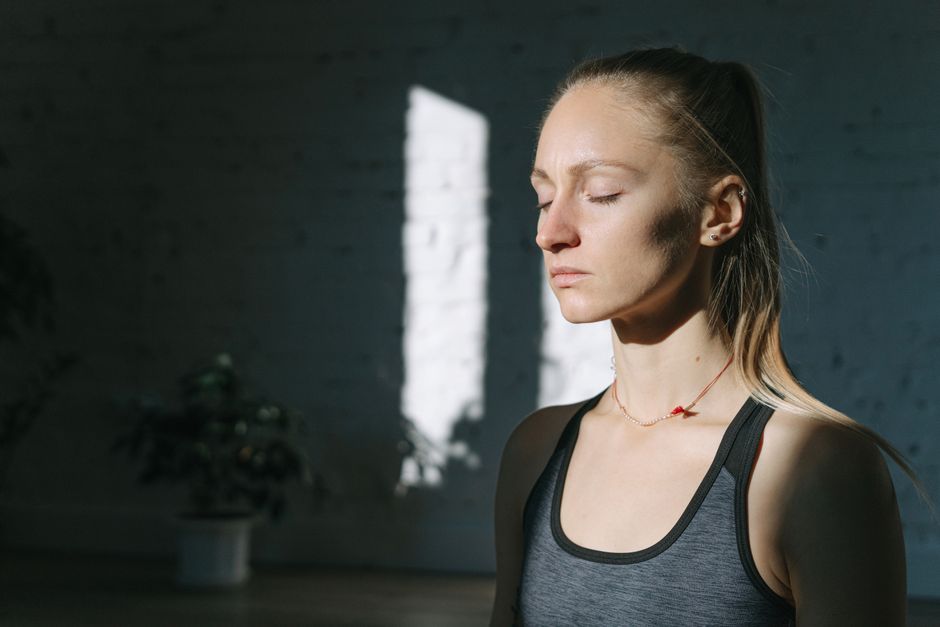
Being a calm person is not about never feeling stress. It is about how you respond when stress shows up. People who stay calm under pressure do not have a special personality. They have learned specific skills and habits that change how their brain reacts to chaos. Research from the American Psychological Association shows that calmness is a trainable skill, not a fixed trait. The real secret is building small daily practices that retrain your nervous system over time, not trying to stop feeling stressed in the moment.
Why Do Some People Stay Calm While Others Do Not?
The difference comes down to how your nervous system handles a threat. When something stressful happens, your amygdala — a small part of your brain — sends an alarm signal. For some people, that alarm is loud and hard to turn off. For others, the alarm sounds but their prefrontal cortex, the thinking part of the brain, calms it down quickly.
Studies from Harvard Medical School have found that people who stay calm have stronger connections between these two brain regions. The good news is that you can strengthen those connections. It works like building a muscle. The more you practice calming yourself, the faster and easier it becomes.
Your past experiences also matter. If you grew up in a chaotic environment, your nervous system may be set to high alert by default. That is not a flaw. It is a survival adaptation. But it means you may need more intentional practice to build calmness as an adult. The brain remains changeable throughout life, a concept called neuroplasticity.
Does Deep Breathing Actually Work for Becoming Calm?
Yes, but only if you do it correctly. Most people take shallow chest breaths when they are stressed. That signals to your brain that danger is still present. Deep belly breathing does the opposite. It activates the vagus nerve, which tells your body it is safe to relax.
Research published in the journal Frontiers in Psychology found that slow breathing at six breaths per minute produces the strongest calming effect. That is about five seconds in and five seconds out. Faster or slower breathing does not work as well. The key is the pace, not just the depth.
A common mistake is trying to breathe deeply only during a crisis. That rarely works because your brain is already flooded with stress hormones. The better approach is to practice this breathing pattern for two minutes every morning. When a stressful moment comes, your body already knows the pattern. It becomes automatic.
Box breathing is another method used by Navy SEALs and emergency room doctors. Breathe in for four counts, hold for four, exhale for four, hold for four. Repeat for one to two minutes. The holding phase is what resets your nervous system most effectively.
What Are the Daily Habits That Build Long-Term Calmness?
Calmness is not something you turn on when needed. It is the result of daily habits that keep your nervous system balanced. The most effective habit is morning sunlight exposure. The CDC reports that light entering your eyes within thirty minutes of waking sets your circadian rhythm. A stable circadian rhythm directly reduces anxiety and irritability throughout the day.
Exercise is another foundation. But the type matters. High-intensity training can actually increase cortisol for some people if done too often. Moderate aerobic exercise like brisk walking, swimming, or cycling for thirty minutes most days has the strongest evidence for reducing anxiety. The National Institute of Mental Health notes that regular aerobic exercise lowers overall arousal levels in the nervous system.
Sleep is non-negotiable. Even one night of poor sleep raises cortisol levels by an average of 37 percent the next day. That makes you more reactive to small stressors. A consistent bedtime and wake time, even on weekends, is one of the most effective ways to build calmness. There is no supplement or breathing technique that can fix the effects of chronic sleep deprivation.
Hydration also plays a role. Even mild dehydration, losing about 1.5 percent of your body water, can increase feelings of tension and anxiety according to research from the University of Connecticut. Drink water consistently throughout the day, not just when you feel thirsty.





How To Be A Calm Person What Actually Works in High-Stress Moments
When stress hits hard, your thinking brain goes offline. That is a biological fact. Trying to reason with yourself in that moment rarely works. Instead, use physical techniques that force your body to reset.
The first technique is cold water exposure. Splashing cold water on your face triggers the mammalian dive reflex. Your heart rate slows down and your body shifts toward a calm state. This works within seconds and does not require any special equipment. Keep a bottle of cold water at your desk or in your car.
The second technique is muscle relaxation. Tense every muscle in your body as hard as you can for five seconds, then release completely. Do this twice. The contrast between tension and relaxation signals your brain that it is safe to let go. This is called progressive muscle relaxation and has been studied since the 1930s.
The third technique is changing your physical position. Standing up, stretching your arms overhead, or taking three steps backward can interrupt the stress loop. Your brain associates certain postures with threat. Changing your posture changes the signal your brain receives.
These techniques work because they bypass the thinking brain. You do not have to talk yourself into being calm. You just do the physical action, and your body follows.
What Does the Research Actually Say About Meditation and Mindfulness?
Meditation has been studied extensively, and the evidence is strong but not for everyone. A 2014 meta-analysis in JAMA Internal Medicine found that mindfulness meditation programs reduced anxiety by a moderate amount compared to no treatment. But the effects were similar to other relaxation techniques. Meditation is not magic. It is one tool among many.
The real benefit of meditation comes from consistency, not duration. Five minutes daily for eight weeks produces measurable changes in brain structure according to research from Harvard. Specifically, the amygdala shrinks slightly, and the prefrontal cortex thickens. These changes correlate with lower stress reactivity.
But meditation can backfire for some people. About 8 percent of people who try meditation report increased anxiety or unsettling experiences according to a study in PLOS ONE. This is more common in people with a history of trauma. If meditation makes you feel worse, stop. There are other ways to build calmness that do not involve sitting still with your thoughts.
Walking meditation is a good alternative. Walk slowly and pay attention to the sensation of your feet touching the ground. This combines the benefits of movement and focused attention without the pressure of sitting still. It works just as well as seated meditation for reducing stress according to some studies.
What Are Common Mistakes People Make When Trying to Be Calm?
The biggest mistake is trying to suppress or ignore stress. Telling yourself “just calm down” or “do not think about it” usually makes things worse. This is called thought suppression, and research shows it actually increases the intensity of the thought or feeling you are trying to avoid. The brain treats suppressed thoughts as unfinished business and keeps bringing them back.
A better approach is acknowledging the stress without judgment. Say to yourself, “I notice I am feeling stressed right now.” That simple act of labeling the emotion reduces its power. Brain scans show that naming an emotion lowers activity in the amygdala. This is called affect labeling, and it works.
Another common mistake is relying on distractions like scrolling your phone or watching television. These provide temporary relief but do not address the underlying nervous system activation. When the distraction ends, the stress returns at the same level or higher. True calmness requires resetting the nervous system, not just distracting it.
Comparing yourself to others is also counterproductive. Seeing someone who appears calm does not mean they never feel stress. It means they have learned to manage it. Social comparison raises cortisol levels and makes you feel worse. Focus on your own progress, not how you measure up to others.
Finally, do not expect calmness to happen overnight. Building a calm nervous system takes weeks and months of consistent practice. If you try a technique once and it does not work, that does not mean the technique is useless. It means you need more repetition. Your brain changes slowly.
Comparison of Calmness Techniques
| Technique | Time to Effect | Best For | Evidence Level |
|---|---|---|---|
| Slow breathing (6 breaths/min) | 1-2 minutes | Acute stress, panic | Strong |
| Cold water on face | Seconds | Sudden overwhelm | Moderate |
| Progressive muscle relaxation | 2-5 minutes | Physical tension | Strong |
| Morning sunlight exposure | Days to weeks | Daily mood stability | Strong |
| Meditation (daily) | Weeks to months | Long-term reactivity | Strong |
| Moderate aerobic exercise | Weeks | Baseline anxiety | Strong |
What to Avoid When Building Calmness
Avoid alcohol as a stress management tool. Alcohol may feel calming in the moment, but it disrupts sleep and increases anxiety the next day. This is called the rebound effect. The National Institute on Alcohol Abuse and Alcoholism reports that even moderate drinking can raise cortisol levels the following morning.
Avoid caffeine after noon. Caffeine has a half-life of about five hours. Drinking coffee at 3 PM means half of it is still in your system at 8 PM. That interferes with sleep quality, which then raises your stress levels the next day. The cycle feeds itself. If you are prone to anxiety, consider limiting caffeine to one cup in the morning.
Avoid multitasking when you are already stressed. Your brain cannot actually multitask. It switches rapidly between tasks, which increases cortisol and reduces performance. When you feel overwhelmed, do one thing at a time. Finish it before starting the next. This alone can lower your stress level significantly.
Avoid sugar spikes. High sugar intake causes blood glucose to rise and then crash. The crash triggers the release of adrenaline and cortisol, which can feel like anxiety. Eating protein and fiber with meals helps keep blood sugar stable and your mood more even.
Frequently Asked Questions
How long does it take to become a calm person?
Most people notice improvements in four to eight weeks of consistent practice. Your brain needs time to build new neural pathways.
Can medication help me become calmer?
Medication can help some people, especially those with clinical anxiety disorders. Talk to a doctor about your specific situation.
Is it possible to stay calm all the time?
No. Everyone experiences stress sometimes. The goal is not zero stress but better recovery and response when stress happens.
What is the single most effective technique for calmness?
Consistent quality sleep has the strongest evidence for reducing overall stress reactivity. Nothing else works as well without it.
