
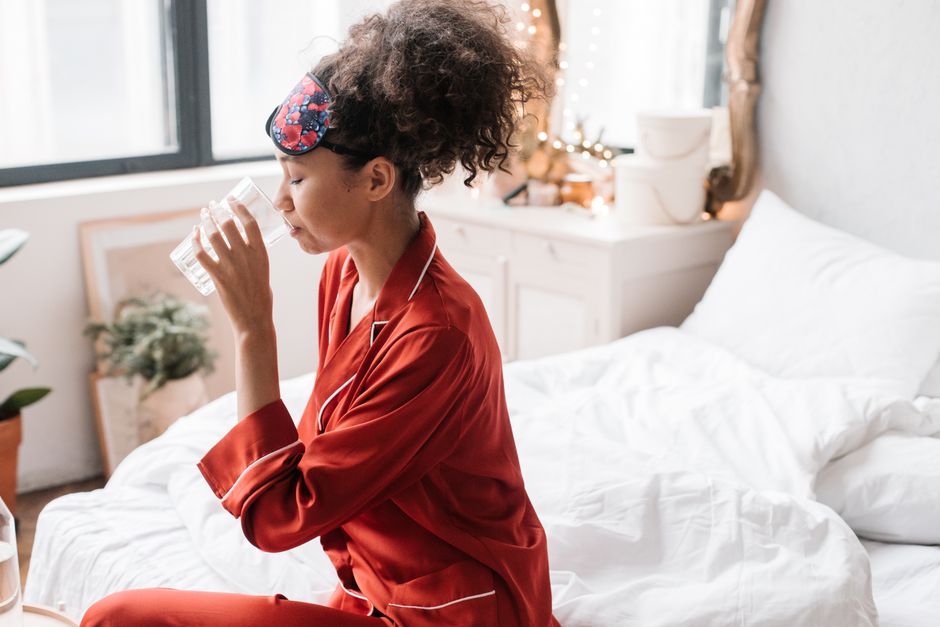
Waking up after a night of drinking often comes with a familiar question: how do you feel normal again, fast? The honest answer is that time is the only thing that truly sobers you up. Nothing you eat, drink, or do will speed up how quickly your liver processes alcohol. But there are evidence-backed ways to reduce how awful you feel in the morning and help your body recover more comfortably. This article separates what actually works from what is just a popular myth.
What Causes a Hangover in the First Place?
To understand how to feel better, it helps to know why you feel bad. Alcohol is a diuretic, which means it makes you urinate more than usual. This leads to dehydration, which causes thirst, fatigue, and headache. Alcohol also irritates your stomach lining, which can cause nausea and vomiting.
Your body breaks alcohol down into a toxic compound called acetaldehyde. This substance is more toxic than alcohol itself. It causes inflammation and contributes to many hangover symptoms. Your immune system also reacts to alcohol by releasing inflammatory chemicals. This is why you might feel achy or have trouble thinking clearly.
Research published in Alcohol and Alcoholism has found that congeners, which are chemical byproducts in darker drinks like whiskey and red wine, can make hangovers worse. Light-colored drinks like vodka and gin tend to cause less severe symptoms. The amount you drank, how fast you drank it, and whether you ate food all play a role in how you feel the next morning.
Does Drinking Water Before Bed Help?
Drinking water before sleep is one of the most practical steps you can take. Alcohol dehydrates you, and dehydration is a major cause of hangover symptoms like headache and dry mouth. A glass or two of water before you go to bed can reduce the severity of these effects.
But water does not speed up alcohol metabolism. Your liver still processes alcohol at the same rate, roughly one standard drink per hour. Water helps with hydration, not elimination. If you wake up in the middle of the night, drinking more water then can also help. The key is to drink before the dehydration sets in, not after you already feel terrible.
Electrolyte drinks like sports beverages can also help replace lost minerals. They are not magic, but they can improve how you feel compared to water alone. The CDC notes that dehydration from alcohol can affect blood pressure and heart rate, so rehydrating is important for safety as well as comfort.
What Foods or Drinks Actually Help in the Morning?
Many people reach for coffee or greasy food, but evidence for these is mixed. Caffeine is a stimulant that can make you feel more alert temporarily. It does not reduce your blood alcohol level or help your liver work faster. In fact, caffeine can worsen dehydration if you have not rehydrated first.
Foods rich in complex carbohydrates and protein can help stabilize your blood sugar. Alcohol can cause low blood sugar, which contributes to fatigue and shakiness. Eating eggs, oatmeal, or whole-grain toast provides steady energy. Bananas are a good choice because they contain potassium, which alcohol depletes.
Honey has been suggested as a hangover remedy because it contains fructose. Some small studies suggest fructose may help the body metabolize alcohol slightly faster. But the effect is minimal and not enough to rely on as a cure. A spoonful of honey in tea might make you feel better, but it will not sober you up.
Ginger tea can help with nausea. Peppermint tea may soothe your stomach. These are comfort measures, not cures. They can make the morning more bearable while your body does its work.




Does Exercise or Sweating Help You Sober Up?
Sweating does not remove alcohol from your body. The vast majority of alcohol is processed by your liver, not excreted through sweat. Only about 2 to 5 percent of alcohol leaves your body through urine, breath, and sweat. Exercising to “sweat it out” will not lower your blood alcohol level any faster.
Light exercise might help you feel more alert and improve your mood. Endorphins released during physical activity can reduce feelings of discomfort. But if you are dehydrated, exercise can make things worse. You risk dizziness, muscle cramps, and even fainting if you push too hard.
A gentle walk or stretching is reasonable if you feel up to it. Intense workouts are not recommended. Your body is already under stress from alcohol metabolism. Adding more physical stress does not help recovery. Listen to your body and do not exercise if you feel dizzy, nauseous, or have a strong headache.
| Remedy | What It Actually Does | Does It Speed Up Sobering? |
|---|---|---|
| Water | Rehydrates the body | No |
| Coffee | Temporary alertness | No |
| Food | Stabilizes blood sugar | No |
| Exercise | Mood improvement | No |
| Sleep | Allows liver to process alcohol | No |
| Pain relievers | Reduces headache and aches | No |
What About Pain Relievers and Other Medications?
Over-the-counter pain relievers can help with headache and muscle aches. Ibuprofen (Advil, Motrin) and naproxen (Aleve) are non-steroidal anti-inflammatory drugs (NSAIDs) that reduce inflammation. They can be effective for hangover pain. But they can also irritate your stomach, which is already sensitive after drinking.
Acetaminophen (Tylenol) is a different story. Your liver processes acetaminophen, and alcohol puts stress on your liver. Taking acetaminophen after drinking can increase the risk of liver damage. The FDA has warned about this interaction. If you need pain relief, ibuprofen is generally safer, but only if you do not have stomach ulcers or other contraindications.
Antacids can help with stomach discomfort. Bismuth subsalicylate (Pepto-Bismol) can reduce nausea and diarrhea. But none of these medications remove alcohol from your system. They only mask symptoms. Relying on them as a routine fix is not a healthy pattern.
Some people use “hangover pills” or supplements sold online. As of 2026, there is no clinical evidence that any commercial hangover cure significantly reduces symptoms beyond placebo. The Federal Trade Commission has taken action against companies making false claims about hangover remedies. Save your money.
What Should You Avoid Doing?
One dangerous myth is that drinking more alcohol in the morning, known as “hair of the dog,” helps. It does not help you sober up. It temporarily numbs symptoms by adding more alcohol to your system. This delays the hangover and can lead to a cycle of dependence. It is not a solution.
Taking a cold shower or a hot shower does not lower your blood alcohol level. You might feel more alert for a few minutes, but the alcohol is still in your system. Driving after a cold shower is just as dangerous as driving without one. The only safe choice is to wait until your body has fully processed the alcohol.
Avoid mixing medications or supplements without knowing the risks. Some herbal remedies like milk thistle are promoted for liver health, but strong evidence is lacking. The National Institute on Alcohol Abuse and Alcoholism states that no herbal supplement has been proven to prevent or treat hangovers.
Do not try to “sweat it out” in a sauna. Alcohol impairs your body’s ability to regulate temperature. Saunas can lead to dangerous overheating or dehydration. This is a risk that outweighs any potential benefit.
How To Sober Up In The Morning What Actually Works?
Time is the only thing that actually works to lower your blood alcohol level. Your liver processes alcohol at a fixed rate. No food, drink, or activity changes that. The average person metabolizes about 0.015 grams of alcohol per deciliter of blood per hour. It takes about one hour to process one standard drink.
What you can do is manage the symptoms while your body does its work. Rehydrate with water or electrolyte drinks. Eat a balanced meal with protein and carbohydrates. Rest and get sleep if possible. Use ibuprofen for headache if your stomach can tolerate it. Avoid caffeine until you have rehydrated first.
If you have a serious commitment like driving or operating machinery, wait. Do not rely on any trick to feel sober faster. The only safe approach is to give your body the time it needs. If you feel hungover, you are still impaired. Your reaction time and judgment are slower even if you feel more alert after coffee or a shower.
Common Misconceptions About Sobering Up
One common belief is that vomiting helps you sober up. Vomiting can remove some alcohol from your stomach if it happens soon after drinking. But once alcohol has entered your bloodstream, vomiting does not lower your blood alcohol level. It may make you feel less nauseous, but it does not speed up the process.
Another myth is that eating a large meal before bed prevents a hangover. Food slows the absorption of alcohol if you eat before or while drinking. Eating after you are already drunk does not help much. The alcohol is already in your bloodstream. Food before bed can help with blood sugar stability, but it will not undo the alcohol already consumed.
Some people believe that drinking water with alcohol throughout the night prevents all hangover symptoms. This helps with dehydration, but it does not prevent the inflammatory response or the toxic effects of acetaldehyde. You may feel better than if you did not drink water, but you can still have a hangover.
There is no evidence that activated charcoal, oxygen bars, or vitamin B12 injections help you sober up. These are popular in some circles but have no scientific backing for hangover treatment. Stick with basics: water, rest, and time.
Frequently Asked Questions
Does drinking water before bed prevent a hangover?
Drinking water before bed helps reduce dehydration but does not prevent a hangover entirely. It can lessen the severity of symptoms like headache and dry mouth.
Is coffee good for a hangover?
Coffee can make you feel more alert but does not lower your blood alcohol level. It may worsen dehydration if you have not rehydrated first.
Can exercise help you sober up faster?
No, exercise does not speed up alcohol metabolism. Light activity may improve mood but intense exercise is not recommended due to dehydration risk.
What is the fastest way to sober up?
There is no fast way to sober up. Your liver needs time to process alcohol. Rest, hydration, and food can help you feel better while you wait.
