
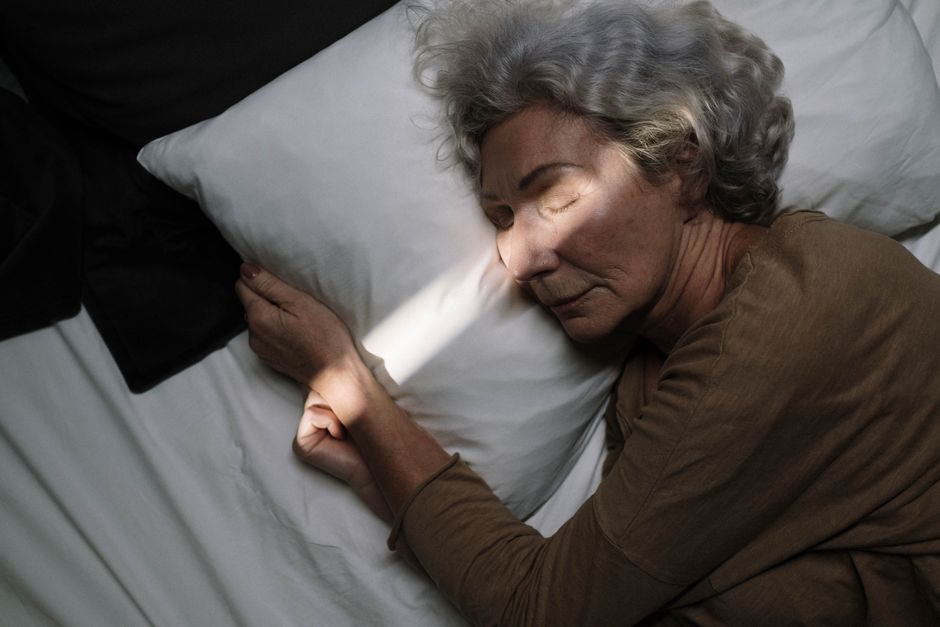
Sleep is not one behavior. It is three: the position you settle into, the schedule you keep, and the habits surrounding both. Get all three roughly right and most adults notice the difference within a couple of weeks. Get them wrong and no mattress, supplement, or gadget will fully compensate.
The evidence behind sleep positions is uneven. Some of it rests on solid physiology. Some is clinical observation rather than controlled trials. Sleep timing and habits have stronger research behind them. This article separates what is well established from what is not, so you can make decisions without guessing.
What Are the Main Sleep Positions and What Does Each One Do?
There are four positions people actually sleep in: on the side, on the back, on the stomach, and in a mix of these through the night.
Side sleeping is the most common. Roughly half of adults report it as their usual position, and it tends to be the one clinicians mention most often. It keeps the airway relatively open compared with back sleeping and may reduce snoring in some people.
Back sleeping, called supine sleeping, keeps the spine in a neutral position if the pillow and mattress support the neck and lower back. Its main drawback is that gravity pulls the tongue and soft tissues backward, which can narrow the airway.
Stomach sleeping is the least forgiving. It forces the neck into rotation for hours and tends to exaggerate the curve of the lower back. Many people who sleep this way wake with neck or low back stiffness.
Combination sleepers shift position many times per night. Most adults change position somewhere between a few and several dozen times, though the exact number varies widely and is not something you can control.
One point worth stating plainly: position is a preference for most healthy adults, not a prescription. The exceptions are specific and covered below.
Which Sleep Position Is Best for Back and Neck Pain?
There is no single best position for back pain, because back pain has many causes. What the evidence does support is that spinal alignment matters more than which side you face.
For many people with low back pain, sleeping on the back with a pillow under the knees reduces strain on the lumbar spine. The pillow tilts the pelvis slightly and flattens the lower back’s natural curve, which some people find relieving.
Side sleeping with a pillow between the knees serves a similar purpose. It keeps the hips level and prevents the top leg from dragging the pelvis into rotation.
Stomach sleeping is generally the hardest position to make comfortable for a painful back, because the spine stays extended and the neck stays turned. People who cannot sleep any other way sometimes place a thin pillow under the abdomen to reduce that extension. This is common advice, though it has not been tested in large trials.
For neck pain, the pillow matters as much as the position. A pillow that holds the head in line with the spine — not propped too high or too flat — tends to work better than a thick or very soft one. Cervical pillows shaped to support the neck’s curve are widely sold, and some clinicians recommend them, but the trial evidence comparing pillow types is limited.
Is Side Sleeping Better for Acid Reflux and Breathing?
For acid reflux, sleeping on your left side is often recommended, and the physiology behind it is reasonable. The stomach sits to the left of the esophagus, so lying on the left keeps the junction between them above the stomach’s contents. Lying on the right does the opposite.
Small studies have measured reflux episodes in different positions and generally found fewer on the left side. The effect is real but modest, and it does not replace treatment for gastroesophageal reflux disease.
Breathing is a different story, and here the evidence is stronger. Back sleeping allows the tongue and soft tissue to fall backward and narrow the upper airway. For people with obstructive sleep apnea, supine sleeping can make breathing pauses longer and more frequent.
Some people with milder apnea find that side sleeping reduces snoring and improves sleep quality. For moderate to severe obstructive sleep apnea, position alone is not adequate treatment. Positive airway pressure therapy remains the standard, and anyone with diagnosed apnea should follow their clinician’s plan rather than relying on position changes.





Is There a Best Sleep Position During Pregnancy?
Yes. Sleeping on the left side is the position most often recommended in the later stages of pregnancy, and this is one of the few cases where position genuinely matters for a medical reason.
The concern is compression of the inferior vena cava, the large vein that returns blood from the lower body to the heart. Lying flat on the back in later pregnancy can allow the weight of the uterus to press on this vein, which may reduce blood flow and cause dizziness or a drop in blood pressure.
Left side sleeping is generally preferred because it also keeps pressure off the liver. Right side sleeping is usually considered acceptable as well. Many pregnant women wake on their back at some point, and briefly rolling back over is not a reason for alarm.
If you are pregnant and unsure what applies to your situation, ask your obstetric provider. Recommendations can vary with individual circumstances.
How To Properly Sleep Positions Schedule And Habits: Getting the Timing Right
Schedule matters more than most people realize, and the research here is stronger than the research on position.
Your body runs on a circadian rhythm, an internal clock that governs when you feel alert and when you feel sleepy. That clock is set primarily by light exposure and by the consistency of your sleep and wake times. When those times shift day to day, the clock gets conflicting signals.
The practical implication is straightforward: a consistent wake time is the single most useful anchor. Waking at roughly the same time every day, including weekends, helps set the rhythm that makes falling asleep easier at night. Sleep experts generally recommend keeping weekend wake times within about an hour of weekday ones.
Adults generally need seven or more hours of sleep per night, according to broad consensus among sleep and medical organizations. Individual needs vary, and some people function well on slightly less while others need more.
Naps are not inherently a problem. A short nap in the early afternoon is unlikely to interfere with nighttime sleep for most people. Long or late-afternoon naps can reduce the sleep pressure that helps you fall asleep at night.
One clarification worth making: you cannot fully “catch up” on sleep debt with one long weekend lie-in. Recovery sleep helps, but it does not erase the effects of a week of short sleep on attention and metabolism.
What Bedtime Habits Actually Change Sleep Quality?
Habits shape sleep in two ways: they affect how quickly you fall asleep, and they affect how fragmented your sleep is once you are out.
Light exposure is the strongest lever. Bright light in the morning helps set your clock earlier and makes nighttime sleep come more easily. Bright light in the evening, especially from screens held close to the face, pushes the clock later.
Caffeine is the second. It blocks adenosine, a molecule that builds up during waking hours and creates sleep pressure. Caffeine’s half-life in the body is roughly five to six hours on average, though it varies widely between people. A cup of coffee at 4 p.m. can still be measurably active at 10 p.m.
Alcohol is widely believed to help sleep and does not. It shortens the time to fall asleep but fragments sleep in the second half of the night and suppresses REM sleep. People who drink before bed often report waking at 3 a.m. and feeling unrefreshed.
Other habits with reasonable support:
- Keeping the bedroom cool and dark
- Getting out of bed if you have been awake for a long stretch, rather than lying there frustrated
- Keeping a consistent wind-down period before bed
- Exercising regularly, though not intensely right before sleep for most people
What about supplements and sleep trackers? Melatonin has evidence for shifting sleep timing, such as with jet lag, and less consistent evidence for general insomnia. Wearable trackers estimate sleep stages from movement and heart rate, and their stage estimates do not match lab measurements closely. They can be useful for spotting trends in sleep duration, but their precision is limited.
When Should You Talk to a Doctor About Sleep?
Talk to a clinician if you snore heavily, wake gasping, feel excessively sleepy during the day despite adequate time in bed, or have trouble falling asleep most nights for more than a few weeks.
These patterns can point to conditions like obstructive sleep apnea or chronic insomnia, both of which have established treatments. Position changes and habit adjustments help at the margins. They are not substitutes for diagnosis and treatment when a disorder is present.
Frequently Asked Questions
What is the healthiest sleep position?
Side sleeping is generally considered the most supportive position for most adults, mainly because it keeps the airway more open than back sleeping. The exception is people with specific conditions, such as pregnancy, where left side sleeping is specifically recommended.
Is sleeping on your stomach bad for you?
Stomach sleeping is generally the least supportive position because it holds the neck rotated and extends the lower back for hours. It is not dangerous for most healthy adults, but it commonly contributes to morning neck and back stiffness.
Does sleeping on your left side help with acid reflux?
Some studies have found fewer reflux episodes when people sleep on their left side compared with their right. The effect is modest and does not replace medical treatment for reflux disease.
How many hours of sleep do adults need?
Most sleep and medical organizations recommend seven or more hours per night for adults. Individual needs vary, and consistently getting less than seven hours is linked with worse health outcomes over time.
