
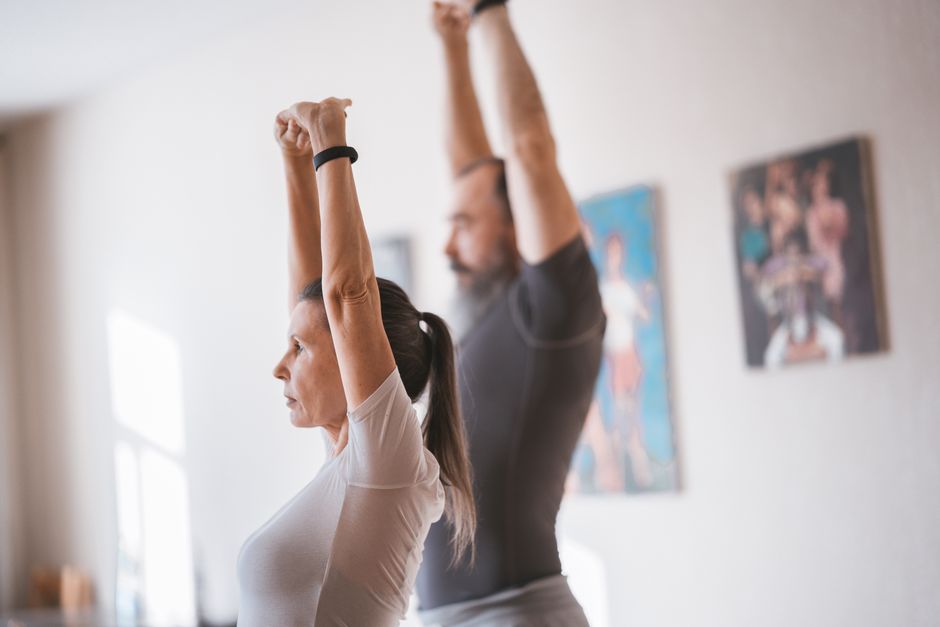
How long you live is shaped by a mix of genetics, environment, and daily choices. Research consistently shows that a handful of habits, avoiding smoking, staying physically active, eating mostly whole foods, sleeping enough, and maintaining strong social ties, are linked to longer life and fewer years lived with serious illness. No single habit guarantees a long life, but the evidence behind these behaviors is stronger than for almost anything else marketed as a longevity fix.
How Can I Live Longer Science Backed Habits?
The habits with the most consistent evidence behind them are not exotic. They are the ordinary ones: not smoking, moving your body regularly, eating a diet built around plants and whole foods, sleeping enough, limiting alcohol, and staying connected to other people.
What makes these stand out is the type of evidence. Large population studies that follow people for decades, sometimes called cohort studies, repeatedly find that people who practice several of these habits tend to live longer and spend fewer of their final years disabled or seriously ill. That pattern shows up across different countries and different study designs, which makes it more convincing than a single headline-grabbing result.
One important clarification: these studies show association, not proof that any single habit directly causes extra years. People who exercise regularly also tend to sleep better, smoke less, and eat better, so the effects overlap. Still, when researchers account for those overlaps, the core habits hold up. That is the honest state of the science.
Why Does Not Smoking Matter More Than Almost Anything Else?
Smoking is the single largest preventable cause of early death in the United States. It damages blood vessels, raises the risk of clots, and drives cancer in the lungs and many other organs. That is not a debated finding. It is one of the most firmly established facts in medicine.
The good news is that quitting helps at any age. Within a year of stopping, the added risk of heart attack begins to fall. After several years, the risk of stroke and several cancers drops substantially, though it may never return fully to the level of someone who never smoked.
Secondhand smoke counts too. Long-term exposure raises the risk of heart disease and lung cancer in nonsmokers. If you live with a smoker, reducing that exposure is a real health step, not a minor one.
If you have tried to quit and relapsed, that is common and not a sign it cannot work. Most people who quit for good needed several attempts. Combining counseling with medication tends to work better than either alone.
How Much Exercise Actually Extends Life?
Regular physical activity is linked to lower risk of heart disease, stroke, type 2 diabetes, several cancers, and early death from any cause. The relationship holds even at modest levels. You do not need to run marathons to benefit.
Current federal guidelines recommend at least 150 minutes of moderate-intensity activity per week, or 75 minutes of vigorous activity, plus muscle-strengthening work on two or more days. Brisk walking counts as moderate. So does cycling at a comfortable pace.
Here is the part many people miss. The biggest jump in benefit happens when you go from doing nothing to doing something. Going from inactive to a few brisk walks a week appears to matter more than going from moderately active to very active. So the first steps are the most valuable ones.
Strength training is often treated as optional. It is not. Muscle mass and bone density decline with age, and resistance training helps slow that loss. It also supports balance, which reduces fall risk, a major cause of injury and loss of independence in older adults.
What Does a Longevity Diet Actually Look Like?
The diets linked to longer life share a pattern. They emphasize vegetables, fruits, whole grains, legumes, nuts, and fish or other lean proteins. They limit processed meat, refined grains, added sugar, and heavily processed foods.
This pattern shows up in the Mediterranean-style diet, which has been studied extensively. Research has linked it to lower rates of heart disease and early death, though results across individual trials vary.
What matters more than any single food is the overall pattern. No berry, supplement, or superfood has been shown to extend human life on its own. Claims that a specific product adds years are not supported by clinical evidence.
- Build meals around vegetables, fruit, and whole grains.
- Choose nuts, beans, and fish more often than processed meats.
- Limit sugary drinks, which add calories without making you feel full.
- Watch portion size as you age, since calorie needs drop as muscle mass falls.
Protein deserves a note for older adults. Some research suggests that getting enough protein, spread across meals, helps preserve muscle with age. The exact amount that is optimal is still debated, and needs vary by person and health status.
Does Sleep Length Really Affect How Long You Live?
Sleep and lifespan are clearly connected, though the relationship is more complicated than “more sleep equals longer life.” Both consistently short sleep and consistently long sleep are associated with higher death rates in large studies. That does not mean sleeping more causes harm. Long sleep is often a sign of underlying illness.
Most adults need seven to nine hours. Regularly getting less than that is linked to higher risk of heart disease, type 2 diabetes, and impaired immune function. Poor sleep also affects mood, memory, and decision-making.
Sleep quality matters as much as quantity. Conditions like sleep apnea, where breathing repeatedly stops during sleep, are linked to heart problems and daytime fatigue. It is often undiagnosed. If you snore heavily and feel exhausted despite enough hours in bed, that is worth discussing with a clinician.
Do Social Connection and Purpose Add Years?
Strong relationships are linked to longer life in study after study. Social isolation and loneliness are associated with higher rates of early death, comparable in some analyses to well-known risks like inactivity. The effect is consistent enough that many researchers treat social connection as a genuine health factor, not a soft one.
Purpose may matter too. Some studies find that people with a strong sense of meaning or clear goals tend to live longer and stay healthier. The mechanisms are not fully understood, and this area has more open questions than the smoking or exercise evidence.
What is reasonable to say: staying engaged with others, whether through family, friends, work, volunteering, or community, is linked to better health outcomes. The evidence is strong for the link, less settled on exactly why.
What About Alcohol, Stress, and Supplements?
On alcohol, the honest position has shifted. Older studies suggested light drinking might be protective for the heart. More recent analyses that correct for study flaws have weakened that claim considerably. Current evidence does not support the idea that nondrinkers should start drinking for health. If you drink, less is generally better.
Chronic stress is linked to higher risk of heart disease and other conditions, partly through effects on blood pressure, sleep, and behavior. Managing stress through exercise, sleep, and social support is sensible, though measuring its direct effect on lifespan is difficult.
On supplements, caution is warranted. No supplement has been shown in large trials to extend human life. Some, taken in high doses, can cause harm. A few nutrients matter for people with specific deficiencies, but that is a clinical question, not a general longevity strategy.
What the Evidence Does Not Support
Many popular longevity claims outrun the evidence. It is worth being clear about what is not established.
- No single food, supplement, or “superfood” has been shown to extend human lifespan.
- Fasting regimens and extreme diets have some promising early data, but no large long-term human trials confirm they extend life.
- Anti-aging products marketed to the public rarely have human outcome data behind them.
- Genetic tests sold as longevity predictors cannot reliably tell you how long you will live.
This does not mean these areas are worthless to study. It means the marketing has moved faster than the science. When a claim sounds too clean, it usually is.
The Habits That Actually Move the Needle
If you want to focus your energy, the highest-value habits are the least glamorous. Not smoking. Moving regularly. Eating mostly whole foods. Sleeping enough. Limiting alcohol. Staying connected to people. These are backed by decades of research, not a single study.
The overlap matters. These habits reinforce each other. Exercise improves sleep. Good sleep supports better food choices. Strong relationships make hard changes easier to sustain. You do not need to perfect all of them at once. Starting with one and building from there is how lasting change usually happens.
Frequently Asked Questions
What is the single most important habit for living longer?
Not smoking has the strongest and most consistent evidence for reducing early death. If you already do not smoke, regular physical activity is the next highest-value habit.
Can I live longer if I start healthy habits in my 50s or 60s?
Yes. Studies show that adopting habits like regular exercise and quitting smoking improves health and lowers death risk even when started later in life. The benefits are smaller than starting young, but they are real.
Do supplements or anti-aging products extend lifespan?
No supplement has been shown in large human trials to extend lifespan. Some can cause harm in high doses, so it is worth talking to a clinician before starting any.
How much does genetics determine how long I live?
Genetics matter, but studies of twins suggest that lifestyle and environment play a substantial role in lifespan, often comparable to or larger than inherited factors. The exact split is still debated.
