
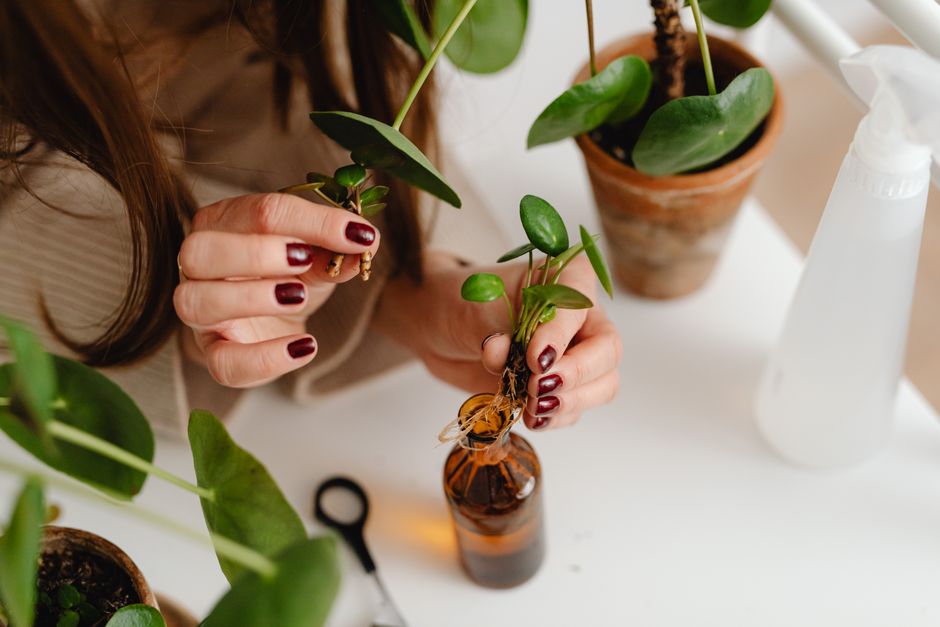
Daphne is a beautiful shrub, but it has a reputation for being difficult to grow. The good news is that you can propagate it at home using two reliable methods: semi-ripe cuttings and layering. Layering is the most dependable way to get a new plant, while cuttings take more patience and care. Both methods take time, but they are the standard ways to create new daphne plants that keep the parent plant’s characteristics.
Why Is Daphne So Hard To Propagate?
Daphne does not root easily from cuttings compared to many other shrubs. The wood is not eager to form new roots, and the plants are slow to establish. Many gardeners lose cuttings to rot or drying out before any roots appear.
The plant also resists division and does not come true from seed. Seed-grown daphne may not match the parent plant, and seeds are often slow to germinate. This leaves cuttings and layering as the only practical methods for home gardeners who want an exact copy of a specific plant.
Knowing this reality helps set expectations. You will likely lose some cuttings, and even successful ones take months to root. Layering is more forgiving because the new plant stays attached to the parent while it roots. This gives it a constant supply of water and nutrients.
How To Propagate Daphne From Cuttings
Take cuttings in mid-summer from the current season’s growth. The wood should be semi-ripe, meaning the base is firm and woody while the tip is still soft. This stage usually happens in July or August in most climates.
Cut a 4 to 6 inch piece from a healthy, non-flowering shoot. Make a clean cut just below a leaf node. Remove the lower leaves, leaving only two or three at the top. Dip the cut end in rooting hormone powder or gel. This is not strictly required, but it improves the chances of success with daphne.
Insert the cutting into a pot filled with a well-draining mix. A blend of half perlite and half peat-free compost works well. The medium must drain freely because daphne cuttings rot quickly in soggy conditions.
Place the pot in a propagator or cover it with a clear plastic bag. Keep it in a warm spot with bright, indirect light. Do not place it in direct sun, which can cook the cutting inside the bag. Open the bag every few days to let fresh air in and check for mold.
Rooting takes 8 to 12 weeks. Some cultivars take longer. You will know the cutting has rooted when you see new growth or feel resistance when you gently tug the stem. Do not rush to pot it on. Leave it in the same container until the roots are well developed.
Even with perfect care, expect losses. Some research suggests that daphne cuttings have a success rate below 50 percent for many species. This is normal, so take several cuttings to improve your odds.
How To Propagate Daphne By Layering
Layering is the most reliable method for home gardeners. It works because the new plant stays attached to the parent until it has formed its own root system. This removes the biggest risk in propagation: the cutting drying out before it roots.
Choose a low-growing, flexible stem in early spring. The stem should be young enough to bend without snapping. Remove the leaves from a 4 to 6 inch section in the middle of the stem.
Make a small cut or notch on the underside of the stem where it will touch the soil. This wound encourages root formation. Dust the wounded area with rooting hormone if you have it. This is optional but can speed up the process.
Bend the stem down to the ground and bury the wounded section in a shallow trench. Use a U-shaped landscape pin or a heavy stone to hold it in place. Cover it with soil and water it well.
Keep the soil consistently moist but not waterlogged. Roots can take 6 to 12 months to form. Some daphne species root faster, while others are slow. Check for roots by gently digging around the buried section after several months. If you feel resistance, roots have formed.
Once roots are established, cut the stem free from the parent plant. Do this in spring or autumn when the plant is not under stress. Move the new plant to its permanent spot, or pot it up and grow it on for a year before planting out.





Which Daphne Species Root Best?
Different daphne species behave differently when propagated. Daphne odora, the winter daphne, is one of the more common garden types and responds well to layering. It is slower from cuttings but still achievable with patience.
Daphne mezereum, the February daphne, is known to be more difficult from cuttings. Layering is the better choice for this species. Daphne laureola and Daphne pontica are generally easier to root from cuttings than the more finicky ornamental types.
Hybrid cultivars such as Daphne x burkwoodii can be propagated by both methods. Results vary by individual plant and growing conditions. If you have a plant you love, take cuttings and layer a stem at the same time. This doubles your chances of success.
How To Care For New Daphne Plants
Newly rooted daphne plants are vulnerable. They have small root systems and cannot tolerate drought or waterlogging. Plant them in well-drained soil that stays evenly moist. Daphne prefers slightly alkaline soil, but most garden soils work if drainage is good.
Choose a spot with morning sun and afternoon shade. Daphne does not like hot, dry conditions. In warmer climates, full shade is often better. In cooler areas, more sun is fine.
Do not disturb the roots once planted. Daphne hates root disturbance and may sulk or die if moved repeatedly. Pick a permanent spot and leave the plant alone.
Mulch around the base to keep the roots cool and retain moisture. Keep the mulch a few inches away from the stem to prevent rot. Water regularly during the first year until the plant is established.
Do not fertilize heavily. Daphne prefers poor to moderately fertile soil. Too much fertilizer can burn the shallow roots and cause leaf drop.
Common Problems And How To Avoid Them
Rot is the most common cause of failure in daphne cuttings. The stems are prone to fungal infections in damp conditions. Use a free-draining mix and do not overwater. If you see mold or blackening at the base, remove the affected cutting immediately to protect others.
Drying out is the other major problem. Cuttings lose water through their leaves while they have no roots to replace it. Misting the leaves and keeping the humidity high helps. Remove some leaves to reduce water loss, but leave enough for photosynthesis.
Daphne is also sensitive to sudden temperature changes. Keep cuttings and young plants in a stable environment. A cold draft or a heat spike can kill them quickly.
Yellowing leaves on a layered stem may mean the buried section is too wet. Check the drainage and reduce watering. If the stem looks healthy but has not rooted after a year, leave it for another season. Some daphne plants are simply slow.
Frequently Asked Questions
What is the best time to take daphne cuttings?
Mid-summer is the best time when the current season’s growth has turned semi-ripe at the base. This usually falls in July or August in most regions.
How long does it take for daphne cuttings to root?
Most daphne cuttings take 8 to 12 weeks to root. Some cultivars need longer, so be patient and do not disturb the cutting to check too early.
Is layering more reliable than cuttings for daphne?
Yes, layering is generally more reliable because the new plant stays attached to the parent while rooting. This provides a steady supply of water and nutrients that cuttings do not have.
Can I propagate daphne from seed?
You can grow daphne from seed, but the new plants may not match the parent. Seed-grown daphne is also slow and unpredictable, so cuttings and layering are preferred for preserving specific cultivars.
