
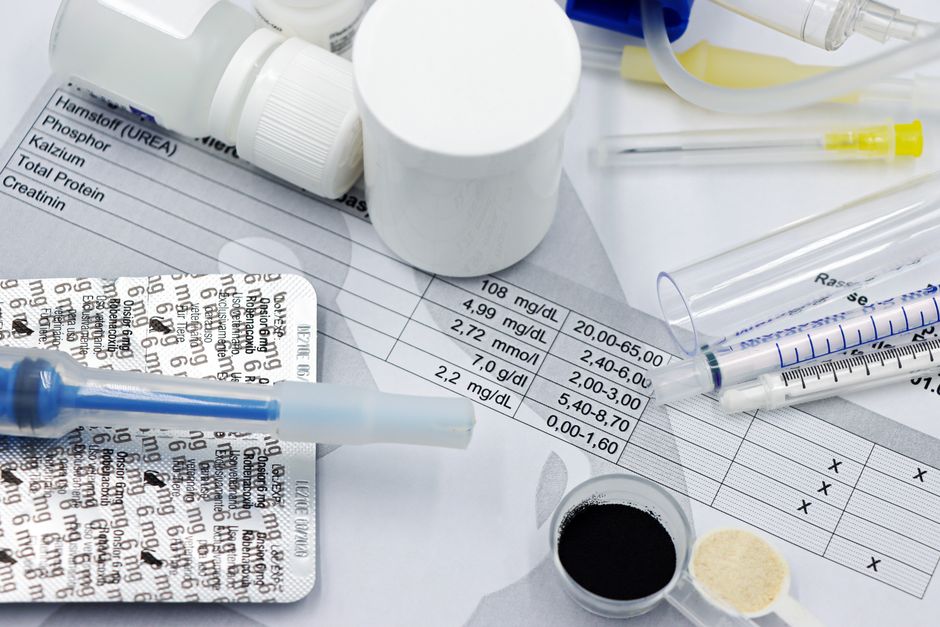
Kidney function is measured with blood and urine tests that look at how well your kidneys filter waste and keep your body balanced. The most common tests are eGFR (estimated glomerular filtration rate) and creatinine. A doctor typically orders these together, along with a urine test, to get a complete picture of kidney health.
What Test Shows Kidney Function Most Directly?
The eGFR blood test is the closest single measurement of actual kidney function. It is calculated from a creatinine blood test, along with your age, sex, and sometimes race. The result is reported as a number that represents how many milliliters of blood your kidneys filter per minute per 1.73 square meters of body surface area.
A normal eGFR is typically 90 or above. A result below 60 for three months or longer suggests chronic kidney disease. Below 15 indicates kidney failure. These thresholds are standard in clinical practice worldwide.
Your doctor will not rely on eGFR alone. It is a calculated estimate, not a direct measurement. It can be thrown off by muscle mass, diet, and certain medications. That is why doctors pair it with other tests before making a diagnosis.
What Is Creatinine and Why Does It Matter?
Creatinine is a waste product produced by normal muscle breakdown. Your kidneys filter it out of your blood at a steady rate. When kidneys lose function, creatinine builds up in the blood.
A normal blood creatinine level is roughly 0.7 to 1.3 mg/dL for adult men and 0.6 to 1.1 mg/dL for adult women. These ranges vary slightly by laboratory. A single high reading does not mean kidney disease. Dehydration, high protein intake, and heavy exercise can all raise creatinine temporarily.
Doctors use creatinine to calculate eGFR. They also look at how creatinine changes over time. A slow, steady rise is more concerning than a single high number.
One thing many people do not realize: creatinine alone is not a sensitive test. You can lose up to half of your kidney function before creatinine levels clearly rise above normal. That is why routine screening matters for people at risk.
What Does a Urine Test Add to Kidney Function Testing?
A urine test checks for albumin, a protein that healthy kidneys keep out of the urine. When kidney filters are damaged, albumin leaks through. This is called albuminuria.
The most common urine test is the urine albumin-to-creatinine ratio (UACR). It compares the amount of albumin to the amount of creatinine in a single urine sample. A UACR above 30 mg/g is considered elevated. Above 300 mg/g is a large amount and indicates significant kidney damage.
Urine tests catch kidney problems earlier than blood tests in some cases. Diabetic kidney disease, for example, often shows up as albumin in the urine before eGFR drops.
A dipstick test can also detect blood, white blood cells, or other signs of kidney injury. It is less precise than UACR but useful as a quick screening tool.



What Is BUN and Is It Still Used?
BUN stands for blood urea nitrogen. Urea is another waste product your kidneys remove. The BUN test measures how much nitrogen is in your blood from urea.
Normal BUN is about 7 to 20 mg/dL. When kidneys fail, BUN rises. But BUN is not specific to kidney disease. It also rises with dehydration, high protein diets, gastrointestinal bleeding, and certain medications.
Doctors sometimes calculate a BUN-to-creatinine ratio to help tell apart different causes of kidney problems. A high ratio can point to dehydration or reduced blood flow to the kidneys. A normal ratio with high BUN and creatinine points more toward intrinsic kidney disease.
BUN is rarely used alone anymore. It is most useful alongside creatinine and eGFR, not instead of them.
How Often Should Kidney Function Be Tested?
For healthy adults with no risk factors, routine screening is not needed at a specific interval. Many doctors check kidney function as part of annual blood work, especially after age 40 or 50.
People with diabetes, high blood pressure, or a family history of kidney disease should be tested at least once a year. Those with known chronic kidney disease may need testing every three to six months, depending on how fast their condition is progressing.
People taking certain medications — such as ACE inhibitors, diuretics, or some diabetes drugs — may need periodic kidney function checks to monitor for side effects. Your doctor will determine the right schedule based on your specific situation.
No clinical guidelines recommend routine kidney testing for everyone at a fixed age. The decision depends on individual risk factors and medical history.
What Can Skew Kidney Function Test Results?
Several things can temporarily change kidney test results without meaning you have kidney disease. Dehydration is the most common cause of a falsely elevated creatinine. Drinking enough water before a test matters, but do not overhydrate — excessive water intake can lower creatinine and mask a real problem.
Medications can affect results. Nonsteroidal anti-inflammatory drugs (NSAIDs) like ibuprofen and naproxen can reduce blood flow to the kidneys and raise creatinine. Some antibiotics, stomach acid medications, and blood pressure drugs also affect levels.
Muscle mass matters. Bodybuilders and very muscular people naturally have higher creatinine because they produce more from muscle breakdown. Older adults and people with low muscle mass may have falsely reassuring low creatinine levels.
Diet plays a role. A large meat meal before testing can raise creatinine temporarily. Creatine supplements also raise both creatinine and BUN levels.
If a result looks off, doctors usually repeat the test. One abnormal value rarely leads to a diagnosis without confirmation and further investigation.
Are There More Advanced Kidney Function Tests?
When standard tests are unclear, doctors may order a measured glomerular filtration rate (mGFR). This test involves injecting a substance like iohexol or inulin into the bloodstream and measuring how quickly the kidneys clear it. It is more accurate than eGFR but more complex and expensive. It is not used routinely.
A kidney biopsy is the only test that shows actual tissue damage under a microscope. It is reserved for cases where the cause of kidney disease is unclear or where specific treatment decisions depend on the tissue diagnosis.
Imaging tests like ultrasound, CT, or MRI do not measure kidney function. They show kidney size, shape, and structure. An ultrasound can reveal blockages, cysts, or shrinkage that suggest chronic disease, but it cannot tell you how well the kidneys are filtering.
For most people, the combination of eGFR, creatinine, and UACR provides everything needed to assess kidney function accurately. Advanced tests are for specific clinical situations, not routine screening.
How Do You Read Your Kidney Function Test Results?
Your lab report will show your eGFR as a number. A result of 90 or higher is normal. Between 60 and 89 is mildly reduced, which may or may not indicate disease depending on other factors. Between 30 and 59 is moderately reduced. Between 15 and 29 is severely reduced. Below 15 is kidney failure.
Your UACR result tells you about kidney damage. Under 30 mg/g is normal. 30 to 300 mg/g is moderately increased. Above 300 mg/g is severely increased.
These numbers matter most when viewed together. A normal eGFR with high UACR suggests early kidney damage. A low eGFR with normal UACR may indicate a different type of kidney disease. Your doctor will interpret both in the context of your overall health.
A single abnormal result does not diagnose kidney disease. The guidelines require abnormalities to persist for at least three months before a chronic kidney disease diagnosis is made.
Frequently Asked Questions
What is the best test to check kidney function?
The eGFR blood test is the best single measure of how well your kidneys filter waste. It is calculated from creatinine and is most reliable when combined with a urine albumin test.
Can a blood test detect kidney problems early?
Blood tests can detect kidney problems, but they miss early damage in some people. Urine tests for albumin often catch kidney damage before blood tests show changes.
What is a normal eGFR for my age?
Normal eGFR is 90 or above for all adults, though values decline naturally with age. A result of 60 or higher is generally acceptable for older adults if it is stable.
How often should I get my kidneys checked?
Healthy adults with no risk factors may not need routine testing. People with diabetes, high blood pressure, or a family history of kidney disease should be tested at least once a year.
