
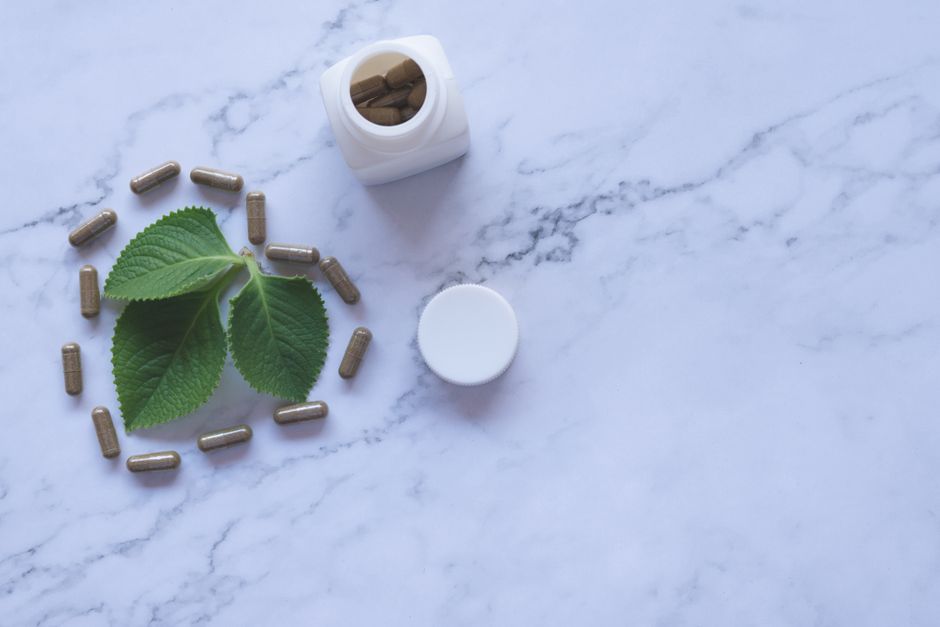
Low estrogen affects many women during perimenopause, menopause, and sometimes earlier due to medical conditions or treatments. Medical options include hormone therapy (estrogen replacement) and non-hormonal prescription medications that target specific symptoms like hot flashes or vaginal dryness. Natural approaches include dietary changes, regular weight-bearing exercise, and specific lifestyle adjustments that can influence how your body produces and processes estrogen. The right choice depends on your symptoms, your health history, and whether you still have a uterus.
What Are the First Signs of Low Estrogen?
Estrogen does far more than regulate the menstrual cycle. It affects bone density, body temperature control, vaginal tissue health, and even mood. When levels drop, the changes can be obvious or subtle.
Common early signs include hot flashes, night sweats, and interrupted sleep. Many women also notice vaginal dryness, which can make intercourse uncomfortable. Irregular or skipped periods are often the first clue for younger women. Some women experience mood swings, irritability, or difficulty concentrating. Headaches and joint pain can also appear.
If these symptoms sound familiar, it is worth discussing them with a clinician. A blood test can measure estrogen levels, but symptoms matter more than a single lab value. Estrogen levels fluctuate throughout the menstrual cycle, so a single reading can be misleading.
What Helps With Low Estrogen Medical And Natural Options?
The medical approach to low estrogen depends on why levels are low and what symptoms bother you most. Hormone therapy replaces the estrogen your body is no longer making. It is the most effective treatment for hot flashes and vaginal dryness. Estrogen also protects bone density, which matters because low estrogen accelerates bone loss.
Hormone therapy comes in several forms. Systemic estrogen — pills, patches, gels, or sprays — travels through the bloodstream and treats whole-body symptoms like hot flashes. Vaginal estrogen — creams, tablets, or rings — treats only vaginal and urinary symptoms with minimal absorption into the rest of the body.
If you still have your uterus, you need a progestin alongside estrogen. Estrogen alone can thicken the uterine lining and raise the risk of uterine cancer. Progestin protects against that. Women who have had a hysterectomy can take estrogen alone.
Hormone therapy is not right for everyone. Women with a history of breast cancer, certain heart conditions, or blood clots may be advised against systemic estrogen. That decision is highly individual and requires a thorough conversation with a clinician.
Non-hormonal prescription options exist for women who cannot or choose not to take estrogen. Certain antidepressants, gabapentin, and fezolinetant are prescribed for hot flashes. These medications do not restore estrogen, but they can reduce symptom severity.
How Do Phytoestrogens Compare to Prescription Estrogen?
Phytoestrogens are plant compounds that mimic estrogen in the body. They are found in soy products, flaxseed, chickpeas, and lentils. The idea is appealing: eat more soy, raise your estrogen, feel better.
The evidence is more complicated. Some studies suggest soy isoflavones modestly reduce hot flash frequency. Other studies show little to no benefit. The effect, when present, is smaller than what prescription estrogen achieves. Phytoestrogens are much weaker than human estrogen.
Food sources are generally safe for most women. Soy milk, tofu, edamame, and ground flaxseed are reasonable additions to a balanced diet. Concentrated supplements are a different story. The evidence for high-dose phytoestrogen supplements is mixed, and some formulations interact with medications. If you are considering a supplement, discuss it with a clinician first.
No natural compound has been shown to fully replace the effects of prescription estrogen, especially for bone protection. If your primary concern is bone density, do not rely on soy alone.


What Lifestyle Changes Have Real Evidence Behind Them?
Exercise is the most well-supported lifestyle change for low estrogen. Weight-bearing exercise — walking, jogging, dancing, hiking — puts stress on bones, which signals the body to maintain bone density. Resistance training with weights or resistance bands adds muscle mass and strengthens the support around joints. Aim for a mix of both most days of the week.
Diet matters for bone health and symptom management. Calcium and vitamin D are essential because low estrogen makes bones more fragile. Good calcium sources include dairy products, leafy greens, and fortified foods. Vitamin D comes from sun exposure and foods like fatty fish and fortified milk. Many clinicians recommend a supplement if blood levels are low.
Sleep is often disrupted by night sweats. Keeping your bedroom cool, using breathable bedding, and avoiding alcohol before bed can help. Alcohol and caffeine can trigger hot flashes in some women. Pay attention to your own triggers.
Weight management is relevant here. Fat tissue produces a small amount of estrogen after menopause. That does not mean gaining weight is a treatment. But it does mean that very low body weight, especially in younger women, can suppress estrogen production and stop periods. Eating enough to maintain a healthy weight matters for hormonal function.
What Is the Role of Vaginal Estrogen?
Vaginal dryness, itching, burning, and pain during sex are common with low estrogen. These symptoms come from thinning and inflammation of vaginal tissues, a condition called vaginal atrophy.
Vaginal estrogen treats this directly. It comes as a low-dose cream, a tablet inserted vaginally, or a flexible ring worn inside the vagina. Because the dose is low and absorbed locally, very little enters the bloodstream. This makes it an option for some women who cannot take systemic estrogen.
Vaginal estrogen is not a treatment for hot flashes or bone loss. It only addresses vaginal and urinary symptoms. Some women need both systemic and vaginal estrogen to manage different symptoms.
If you have a history of hormone-sensitive cancer, the decision to use vaginal estrogen requires careful discussion with your oncology team. The risk is generally considered low, but the evidence is limited.
What About Herbal Supplements for Low Estrogen?
Black cohosh, red clover, and dong quai are commonly marketed for menopause symptoms. The evidence for all three is limited and inconsistent.
Black cohosh has been studied for hot flashes with mixed results. Some trials show modest benefit; others show none. The active compound is not fully understood, and the supplement is not standardized. Liver toxicity has been reported in rare cases, though a direct link is not confirmed.
Red clover contains phytoestrogens. Studies on its effectiveness for hot flashes have produced conflicting results. Some show a small reduction in hot flash frequency; others show no difference from placebo.
Dong quai has been used in traditional Chinese medicine for gynecological conditions. Modern clinical trials have not demonstrated clear benefit for hot flashes. It can interact with blood-thinning medications, so it is not safe for everyone.
No herbal supplement has been proven to raise estrogen levels in a clinically meaningful way. If you choose to try one, inform your clinician. Some supplements interact with prescription medications, including tamoxifen and blood thinners.
When Should You See a Clinician About Low Estrogen?
If you are under 40 and your periods have stopped or become irregular, see a clinician. This could indicate premature ovarian insufficiency, which has implications beyond symptoms. Bone loss, heart health, and fertility all require attention.
If you are in your late 40s or 50s and symptoms are disrupting your sleep, work, or relationships, it is reasonable to seek help. You do not need to suffer through menopause. Symptom management is available.
Any vaginal bleeding after menopause requires immediate evaluation. This is not a symptom to wait out.
Before starting any treatment, your clinician will review your personal and family history. That includes breast cancer, blood clots, heart disease, and stroke. This history determines which options are safe for you.
The decision to treat low estrogen is personal. Some women prefer to manage symptoms naturally. Others want prescription help. Both are valid. The key is making the choice with accurate information and professional guidance.
Frequently Asked Questions
Can low estrogen be treated without hormones?
Yes, non-hormonal prescription medications can reduce hot flashes, and lifestyle changes like exercise and dietary adjustments can help with some symptoms. These options do not restore estrogen levels or protect bone density the way hormone therapy does.
Does soy really help with low estrogen symptoms?
Some studies show soy isoflavones modestly reduce hot flashes, but the effect is smaller than prescription estrogen. Food sources are safe for most women, but concentrated supplements have mixed evidence.
How long does it take for estrogen therapy to work?
Hot flashes often improve within a few weeks of starting systemic estrogen therapy. Vaginal estrogen can take several weeks to noticeably improve tissue health and comfort.
Is vaginal estrogen safe if I have a history of breast cancer?
The risk is generally considered low because little hormone enters the bloodstream, but the evidence is limited. This decision requires a careful discussion with your oncology team.
