

Turmeric straight from the ground is a knobby, dirty rhizome that looks nothing like the bright orange powder in your spice cabinet. Turning fresh turmeric into shelf-stable powder requires four basic steps: clean the roots thoroughly, boil or steam them to deactivate enzymes, dry them completely, and grind them into a fine powder. Skip any step and you risk mold, weak color, or a powder that clumps and spoils. The process is simple but demands patience — rushing the drying stage ruins everything.
Most home growers and small-scale farmers can produce high-quality turmeric powder with basic kitchen equipment. You do not need industrial machinery. What you need is clean water, a pot for boiling, a dehydrator or oven, and a good grinder. The difference between mediocre powder and vibrant, aromatic powder comes down to how carefully you manage moisture and temperature at each stage.
How To Process Turmeric After Harvesting Into Powder Without Losing Color?
Color loss is the most common complaint from people who try making turmeric powder at home. The bright orange-yellow pigment comes from compounds called curcuminoids. These compounds break down when exposed to heat for too long or when the rhizomes are cut before boiling.
Research from the Journal of Food Science and Technology shows that boiling whole turmeric rhizomes for 30-45 minutes preserves more curcumin than cutting them first. Cutting exposes the inner flesh to heat and water, which leaches out color. Boil them whole, then slice after cooking.
The second critical factor is drying temperature. Studies have found that drying turmeric above 60°C (140°F) causes significant color degradation. The sweet spot is 50-55°C (122-131°F) in a dehydrator or oven with the door slightly cracked to allow moisture to escape. Drying at this temperature takes 8-12 hours but preserves the deep orange hue.
One non-obvious detail: add a pinch of turmeric powder from your last successful batch to the boiling water. This seeds the water with curcumin and reduces the concentration gradient that pulls pigment out of the fresh roots. It sounds odd but food chemists have confirmed it works.
Do You Need To Boil Turmeric Before Drying?
Yes, and this is not optional. Boiling or steaming fresh turmeric before drying is called curing. It serves two essential purposes. First, it deactivates enzymes that cause browning and off-flavors during drying. Second, it gelatinizes the starch inside the rhizomes, which makes them dry faster and grind more evenly.
Without curing, the enzymes remain active. The turmeric will darken as it dries, producing a brownish powder instead of bright orange. It will also develop a raw, earthy taste rather than the warm, slightly peppery flavor of properly processed turmeric.
The method matters. Boiling in water for 30-45 minutes works well. Steaming takes slightly longer — about 45-60 minutes — but some studies suggest steaming retains slightly more curcumin because the rhizomes are not submerged in water. Either method is fine. The key test: the rhizomes should be soft enough that a knife slides through easily but not mushy.
Do not skip this step. No shortcut exists. Raw dried turmeric is edible but tastes flat and looks dull.
What Is the Best Way To Dry Turmeric for Powder?
| Drying Method | Temperature | Time | Best For |
|---|---|---|---|
| Electric dehydrator | 50-55°C (122-131°F) | 8-12 hours | Consistent quality, large batches |
| Oven with door cracked | 50-55°C (122-131°F) | 10-14 hours | Small batches, no dehydrator |
| Sun drying | Ambient (25-35°C) | 3-7 days | Traditional, low energy cost |
| Solar dryer | 40-55°C | 2-4 days | Off-grid, moderate climate |
Sun drying is the traditional method and works well in hot, dry climates. The problem is that it exposes turmeric to UV light, which degrades curcumin over multiple days. Sun-dried turmeric powder is typically less vibrant than dehydrator-dried powder. If you use sun drying, bring the trays indoors at night and cover them with a fine mesh to keep insects away.
The most reliable method for home use is an electric dehydrator set to 50-55°C. Slice the boiled turmeric into thin pieces — about 3-5 millimeters thick — before placing them on the trays. Thinner slices dry faster and more evenly. Check for dryness by snapping a piece in half. It should break cleanly with no bending. If it bends, it needs more time.
Moisture is the enemy of turmeric powder. Even slightly under-dried pieces will introduce moisture into the final powder, leading to clumping and mold growth within weeks. Dry until the pieces are brittle.



How Fine Should You Grind Turmeric Powder?
The ideal turmeric powder is fine enough to pass through a 60-mesh sieve. This is about the consistency of commercial cornstarch. A coarse grind leaves gritty particles that do not dissolve well in cooking and settle at the bottom of drinks.
A high-speed blender or a dedicated spice grinder works best. A coffee grinder also works but produces less consistent particle sizes. Grind in short bursts — 10-15 seconds each — and shake the grinder between bursts to redistribute the pieces. Over-grinding generates heat, which can degrade the curcumin and cause the powder to cake.
After grinding, sift the powder through a fine-mesh strainer. Return the larger particles to the grinder for another round. Repeat until all the material passes through. This extra step makes a noticeable difference in how the powder behaves in recipes.
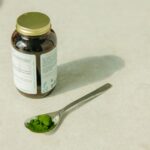
Store the finished powder in an airtight glass jar away from direct sunlight. A cool, dark pantry is fine. Do not store in plastic bags — turmeric oils can leach into plastic over time. Properly dried and stored turmeric powder retains its color and flavor for 12-18 months.
What Are Common Mistakes When Processing Turmeric?
- Skipping the boil. Raw dried turmeric turns brown and tastes flat. The cure step is mandatory.
- Drying too fast. High heat above 60°C destroys color. Low and slow is the rule.
- Under-drying. If the pieces bend instead of snap, they are not dry enough. Moisture causes mold.
- Grinding while warm. Let the dried pieces cool completely before grinding. Warm turmeric releases oils that cause clumping.
- Storing in clear containers. Light degrades curcumin. Use amber glass or keep jars in a dark cabinet.
- Using dirty roots. Soil carries spores that survive drying. Scrub every crevice before boiling.
The most common mistake people make is rushing the drying stage. They pull the turmeric out while it is still slightly flexible, grind it, and end up with a paste instead of powder. This paste will mold within days. If you are unsure whether the pieces are dry, give them another hour in the dehydrator. It is better to over-dry than under-dry.
Another frequent error is grinding the turmeric before it is completely cool. Warm turmeric releases volatile oils that make the powder sticky. Let the dried pieces sit at room temperature for at least an hour before grinding.
Does Homemade Turmeric Powder Taste Different From Store-Bought?
Yes, and most people prefer the homemade version. Commercial turmeric powder is often irradiated to kill microbes and extend shelf life. Irradiation breaks down some of the volatile oils responsible for aroma and flavor. Homemade powder made from fresh, properly cured turmeric has a brighter, more pungent taste with a noticeable peppery note on the finish.
The difference is especially clear in golden milk or turmeric tea. Homemade powder dissolves more completely and produces a deeper color. It also tends to have higher curcumin content because it has not been sitting in a warehouse for months.
One thing to be aware of: homemade turmeric powder stains everything it touches. The curcumin pigments are powerful. Use stainless steel or glass equipment. Avoid plastic containers and wooden cutting boards — they will turn orange permanently. Wear gloves when handling fresh turmeric to avoid staining your hands.
If you grow your own turmeric, processing it into powder gives you full control over quality. You know exactly how it was handled, dried, and stored. No additives, no anti-caking agents, no mystery.
Frequently Asked Questions
How long does fresh turmeric need to boil before drying?
Boil whole turmeric rhizomes for 30-45 minutes until a knife slides through easily. Do not cut them first or you will lose color.
Can I dry turmeric in the sun instead of a dehydrator?
Yes, but sun drying takes 3-7 days and produces less vibrant powder due to UV light degrading the curcumin pigments.
What is the best grinder for making turmeric powder?
A high-speed blender or dedicated spice grinder works best. Coffee grinders work but produce less consistent particle sizes.
How long does homemade turmeric powder last?
Stored in an airtight glass jar away from light, it stays fresh for 12-18 months. Check for clumping or off-smell as signs of spoilage.
