
White spots after braces are not caused by the braces themselves. They are areas of decalcified enamel — the early stage of tooth decay — that form when plaque sits against the tooth surface for long periods. The single most effective way to prevent them is to keep those surfaces genuinely clean every day for the entire time the braces are on.
That sounds simple. In practice it requires a routine most people have never had to follow before. Braces create hundreds of small edges, brackets, and wire gaps where food and plaque collect. Toothbrush bristles cannot reach all of them. This article explains why white spots form, which habits actually reduce the risk, and what the evidence does and does not support.
What Causes White Spots Under and Around Braces?
White spots are decalcification. When plaque stays on a tooth, bacteria in that plaque produce acid as they break down sugar. The acid pulls calcium and phosphate out of the enamel surface. That mineral loss is what turns the area chalky white.
Enamel is the hardest tissue in the human body, but it does not regrow. Once enough mineral is lost, the surface becomes permanently porous and lighter in color. A white spot is not a stain you can brush away. It is a structural change in the enamel.
The braces themselves are not the problem. The problem is what braces make easier: incomplete cleaning. Brackets, bands, wires, and ligatures all trap plaque against the tooth. The gum line and the area right under the bracket are the most common locations for white spots, because those are the hardest places to reach.
There is a detail many people miss. White spots often appear when the braces come off, but they usually started forming months earlier. The damage happens quietly, without pain, and it is not visible until the brackets are removed.
How To Prevent White Spots While Wearing Braces
Prevention comes down to three things: removing plaque thoroughly, limiting how often teeth are exposed to sugar and acid, and using fluoride consistently. None of these is complicated. All of them need to happen daily for the full treatment period, which is often one to three years.
Brushing technique matters more than brushing effort
A standard two-minute brush is not enough with braces. The American Dental Association recommends brushing twice a day with a fluoride toothpaste, and with braces the practical approach is to brush after every meal and before bed.
Angle the bristles at roughly 45 degrees toward the gum line. Brush each tooth in small circles rather than long sweeps. Pay specific attention to the area between the bracket and the gum, and to the space under the wire. A soft-bristled brush is generally preferred, and an electric brush with a round head can help reach around brackets, though a manual brush used carefully also works.
Interdental cleaning is not optional
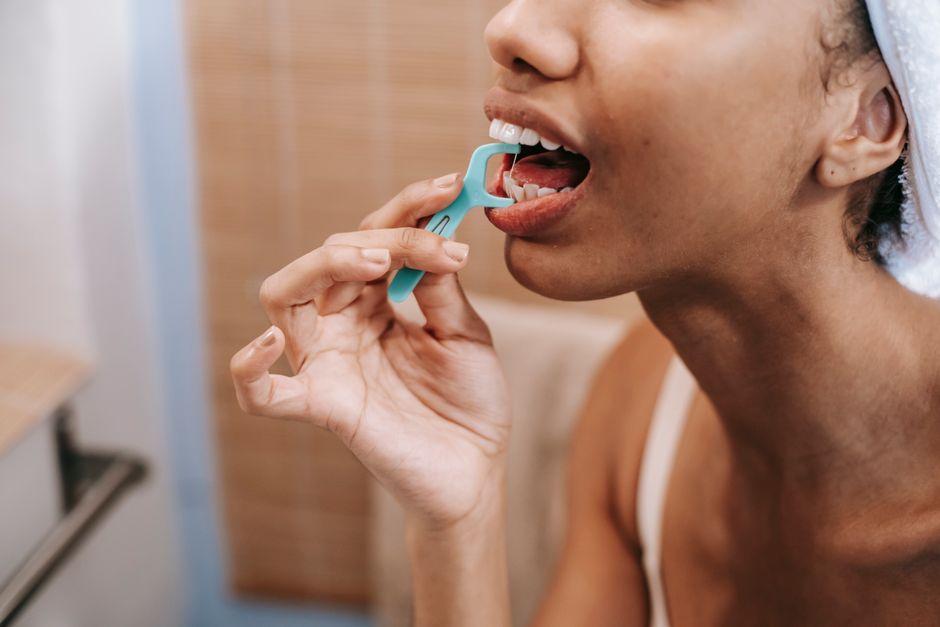
Flossing under a wire takes longer than regular flossing. That is exactly why it gets skipped. Threading floss under the main wire with a floss threader, or using interdental brushes or a water flosser, reaches surfaces a toothbrush cannot. The evidence on water flossers versus string floss is mixed, but for people with braces, anything that cleans between teeth and under the wire is better than nothing.
Fluoride is the best-supported protective measure
Fluoride helps rebuild lost mineral and makes enamel more resistant to acid. This is one of the most well-established findings in dentistry. A fluoride toothpaste is the baseline. Some orthodontists also recommend a fluoride mouth rinse or a prescription-strength fluoride gel for patients at higher risk of decay.
What is not established is whether any single fluoride product is clearly better than another for this specific purpose. If your orthodontist or dentist recommends a prescription fluoride product, that recommendation is based on your individual risk, not on a universal rule for everyone in braces.
Watch how often, not just how much
Frequency of sugar exposure matters. Sipping a sugary drink slowly over an hour keeps teeth bathed in acid the whole time. Eating a sweet snack in one sitting is less harmful to enamel than grazing on it repeatedly. This is a well-supported principle in caries research.
Sticky foods are a particular concern with braces because they lodge against brackets and stay there. Hard foods can also break brackets, which extends treatment time and creates new problem areas.
Which Foods and Drinks Raise the Risk Most?
Anything that feeds plaque bacteria or holds acid against the teeth increases risk. The issue is not one food in isolation. It is the pattern of how often teeth are exposed.
- Sugary drinks, including soda, sweetened tea, sports drinks, and juice
- Sticky sweets such as caramel, gummy candy, and dried fruit
- Starchy snacks like chips and crackers that break down into sugar
- Frequent snacking or sipping throughout the day
- Acidic drinks such as citrus juice and carbonated beverages
The practical rule most dental professionals give is to keep sugary and acidic items to mealtimes rather than spreading them across the day. Rinsing with water after eating helps clear food and reduce acid. Chewing sugar-free gum containing xylitol after meals is sometimes recommended, though the evidence for xylitol’s specific role in preventing white spots during orthodontic treatment is limited.



Do Braces Themselves Make White Spots More Likely?
Yes, but indirectly. Braces do not damage enamel. They create conditions that make thorough cleaning harder and plaque accumulation more likely.
Research on orthodontic patients consistently shows that people with fixed braces have higher plaque levels and a higher risk of enamel demineralization than people without them. This is not a flaw in the braces. It is the predictable result of hardware sitting on tooth surfaces for an extended period.
Some research suggests that certain bracket materials and bonding techniques may influence how much plaque accumulates, but the differences found in studies have generally been small. The dominant factor is how well the patient cleans around whatever hardware is present.
This is why orthodontists check for early decalcification at every adjustment visit. A white spot caught early may still be reversible with fluoride and improved hygiene. Once the enamel surface has broken down, it will not rebuild on its own.
Can White Spots Be Reversed Once They Appear?
Early decalcification can sometimes be stopped and partially remineralized. A chalky area that has not yet formed a cavity may respond to fluoride and better cleaning, and the appearance may improve over time. This is why early detection matters so much.
Once the enamel surface has actually broken down, the change is permanent. The mineral structure is gone, and enamel does not regenerate. At that point, options are cosmetic or restorative rather than preventive.
Common approaches for established white spots include:
- Microabrasion, which removes a thin surface layer of enamel
- Resin infiltration, which fills the porous area with a liquid resin
- Bonding or veneers for more extensive cases
These are clinical decisions, not home remedies. Results vary, and no method fully restores the original appearance of the enamel in every case. This is the honest reason prevention gets so much emphasis: fixing white spots after the fact is harder and less predictable than avoiding them.
What Should You Do at Every Orthodontic Visit?
Ask your orthodontist to check for early signs of decalcification at each adjustment. Early white spots are easier to see under good lighting and with the wire off, and catching them early is the whole point.
If your orthodontist or dentist recommends a specific fluoride product, a change in brushing routine, or a professional cleaning schedule, follow that guidance. Recommendations are usually based on your individual risk factors, including your history of cavities, your diet, and how well your cleaning is working.
There is no single product that guarantees no white spots. There is a routine that reliably reduces the risk, and it depends almost entirely on consistency over the full treatment period.
Frequently Asked Questions
Can you get white spots after braces even if you brush every day?
Yes. Brushing alone often misses the areas under the wire and around brackets where plaque collects. White spots are more about whether those specific surfaces stay clean than about how often you brush.
Are white spots from braces permanent?
Early decalcification can sometimes be stopped or partially reversed with fluoride and improved cleaning. Once the enamel surface has broken down, the change is permanent and requires clinical treatment to improve the appearance.
Does fluoride toothpaste actually prevent white spots with braces?
Fluoride helps rebuild lost mineral and makes enamel more resistant to acid, and this is one of the most well-established findings in dentistry. It reduces risk but does not eliminate it if plaque is not also removed regularly.
How long does it take for white spots to form under braces?
Decalcification can begin within weeks when plaque stays on a tooth surface, though visible white spots usually take months to develop. The damage often starts long before brackets are removed.
