
Norovirus is the leading cause of vomiting and diarrhea from acute gastroenteritis in the United States. You get it by swallowing microscopic amounts of virus — often from contaminated food, water, or surfaces, and sometimes from airborne particles near someone who is vomiting. There is no vaccine and no antiviral treatment, so prevention comes down to handwashing, careful food handling, and cleaning with the right products.
Norovirus spreads easily and it takes very few viral particles to make you sick. That is why outbreaks move fast through households, schools, nursing homes, and restaurants. Understanding how the virus moves — and what actually kills it — is the difference between a one-day stomach bug and a household-wide illness.
What Is Norovirus And How Does It Spread?
Norovirus is a group of related viruses that cause inflammation of the stomach and intestines. The illness it produces is often called “stomach flu,” but that name is misleading. Norovirus is not related to influenza. Influenza is a respiratory virus. Norovirus attacks the gut.
The virus spreads through the fecal-oral route. That means particles from an infected person’s stool or vomit enter your mouth. This happens in several ways:
- Eating food handled by someone who is infected and did not wash their hands well
- Touching a contaminated surface, then touching your mouth
- Swallowing particles from vomit that have become airborne
- Drinking contaminated water
- Having direct contact with an infected person, such as caring for a sick child
One detail that surprises many people: norovirus can spread through vomit droplets that land on surfaces or get inhaled. Research has found that vomiting can release infectious particles into the air. This is one reason outbreaks happen so quickly in enclosed spaces like cruise ships, schools, and long-term care facilities.
You are most contagious when you have symptoms. But you can also spread the virus before you feel sick and for days after you recover. Some people shed the virus for two weeks or longer after symptoms stop. That extended shedding period is why the virus keeps finding new hosts.
What Are The Symptoms And How Long Do They Last?
Symptoms usually appear 12 to 48 hours after exposure. The illness typically lasts 1 to 3 days in otherwise healthy people.
The most common symptoms are:
- Vomiting (more common in children)
- Diarrhea (more common in adults)
- Nausea and stomach pain
- Headache and body aches
- Low-grade fever
The main risk from norovirus is dehydration. Vomiting and diarrhea drain fluid and electrolytes fast. Young children, older adults, and people with weakened immune systems are at higher risk for serious dehydration. Signs include dry mouth, dark urine, dizziness when standing, and crying without tears in young children.
There is no specific treatment. Antibiotics do not work because norovirus is not a bacterial infection. Care focuses on replacing fluids. Oral rehydration solutions are generally preferred over sports drinks because they have a better balance of sodium and glucose. In severe cases, intravenous fluids may be needed.
People with norovirus should stay home while sick and for at least 48 hours after symptoms stop. That window matters because you are still shedding virus even after you feel normal.
How To Prevent Norovirus And Protect Your Home
Handwashing is the single most effective step. Wash with soap and water for at least 20 seconds, especially after using the bathroom, changing diapers, and before preparing food. Hand sanitizer does not replace handwashing for norovirus. Alcohol-based sanitizers are not very effective against this virus. Soap and water physically remove the virus from your hands.
If someone in your home is sick, these steps help contain the spread:
- Use a separate bathroom if possible. If not, clean it after each use.
- Do not prepare food for others while sick and for at least 48 hours after symptoms stop.
- Wash laundry thoroughly. Handle dirty laundry with gloves if you can. Wash with detergent on the warmest setting the fabric allows, then machine dry.
- Clean and disinfect high-touch surfaces daily — doorknobs, light switches, faucets, toilet handles, and countertops.
- Wash your hands after any contact with the sick person or their belongings.
For disinfecting, chlorine bleach is the most reliable option. The CDC recommends a concentration of 5 to 25 tablespoons of household bleach per gallon of water, depending on the surface and the amount of contamination. A weaker solution works for general surfaces. A stronger solution is used for areas with visible vomit or stool. Leave the disinfectant on the surface for at least 5 minutes before wiping. Many common disinfecting wipes and sprays do not list norovirus on their label. Check the product label for norovirus claims.
When cleaning up vomit or diarrhea, wear disposable gloves. Use paper towels to remove the mess, then disinfect the area. Wash your hands thoroughly afterward. If the mess is on carpet or upholstery, clean it as best you can and then disinfect or steam clean the area. Norovirus can survive on hard surfaces for days and on some fabrics for longer.


Does Hand Sanitizer Work Against Norovirus?
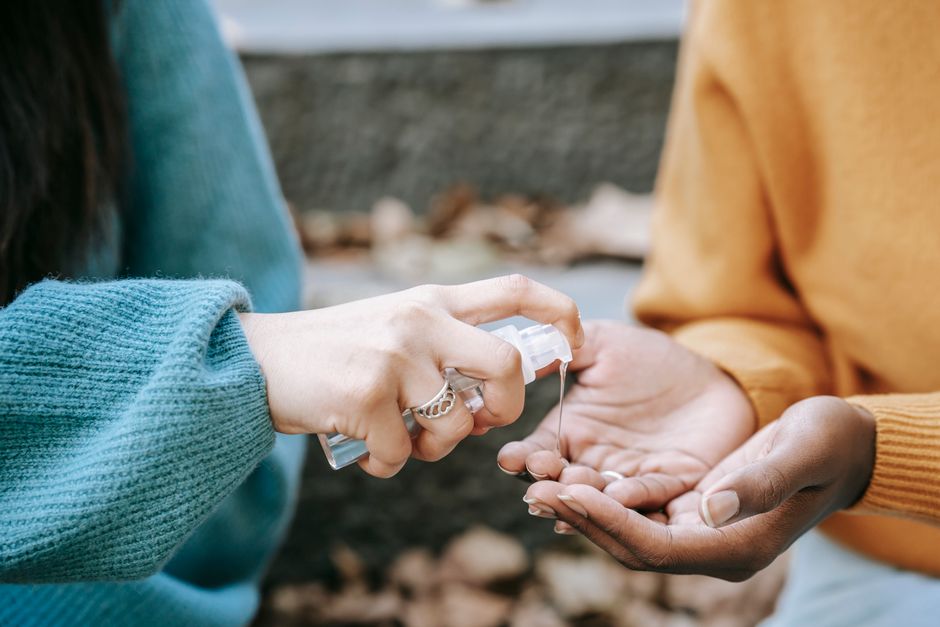
Alcohol-based hand sanitizers are not a reliable substitute for handwashing when it comes to norovirus. Laboratory studies have shown that alcohol is less effective against norovirus than against many other viruses. The virus has a sturdy protein shell that makes it harder for alcohol to break down.
This does not mean hand sanitizer is useless. It can reduce some contamination. But if you have been in contact with a sick person or a contaminated surface, soap and water is the option that actually removes the virus. If no soap and water are available, use sanitizer as a temporary measure and wash your hands as soon as you can.
The same logic applies to cleaning products. Many disinfectants that claim to kill “99.9% of germs” do not specifically target norovirus. Look for products with a norovirus claim on the label, or use a bleach solution. The Environmental Protection Agency keeps a list of products registered as effective against norovirus. That list is a more reliable guide than general marketing claims.
How Long Does Norovirus Live On Surfaces?
Norovirus can survive on hard surfaces for days and sometimes longer. It can survive on fabrics and carpets for up to several weeks. It is also resistant to many common cleaning products and to temperature changes. Freezing does not kill it. That is one reason norovirus outbreaks linked to frozen foods, such as berries, have occurred.
This durability is why cleaning alone is not enough. You need to disinfect. Cleaning removes dirt and some germs. Disinfecting kills what remains. For norovirus, the disinfecting step is the one that matters most.
Heat does kill norovirus. Cooking food thoroughly and washing laundry in hot water with detergent and drying on a hot cycle reduce the viral load. But surfaces and hands need chemical disinfection or soap and water, not heat.
Can You Get Norovirus More Than Once?
Yes. Getting norovirus does not give you lasting immunity. There are many different strains, and immunity to one strain does not protect you from others. Even with the same strain, immunity may fade over months.
This is a key reason norovirus outbreaks recur in the same places year after year. It is also why a vaccine has been difficult to develop. Researchers are working on vaccines, but none are currently available to the public. If you had norovirus last winter, you can get it again this winter.
There is a common myth that once you have had norovirus, you are immune for life. That is not true. The protection you get is short-lived and strain-specific. The same prevention steps apply every season.
When Should You See A Doctor?
Most people recover on their own within a few days. You should seek medical care if you or someone in your care has signs of severe dehydration, bloody stools, or symptoms that last more than a few days.
Watch for these warning signs, especially in young children and older adults:
- No urination for 8 hours or more
- Extreme sleepiness or difficulty waking
- Rapid breathing or a fast heart rate
- Sunken eyes or a sunken soft spot on an infant’s head
- Confusion or dizziness when standing
These signs suggest dehydration that may need medical treatment. In infants and older adults, dehydration can worsen quickly. Do not wait if you see these signs.
There is no antiviral medication for norovirus. Some clinicians have used certain medications in severe cases, particularly in people with weakened immune systems, but this is not standard practice and evidence for it is limited. If you have a compromised immune system and develop norovirus, contact your doctor early.
Frequently Asked Questions
How long are you contagious with norovirus?
You are most contagious while you have symptoms and for at least 48 hours after they stop. Some people can spread the virus for up to two weeks after recovery, especially young children.
Does hand sanitizer kill norovirus?
Alcohol-based hand sanitizer is not very effective against norovirus. Soap and water for at least 20 seconds is the recommended method for removing the virus from your hands.
What kills norovirus on surfaces?
Chlorine bleach solutions are the most reliable option for disinfecting surfaces. The CDC recommends 5 to 25 tablespoons of household bleach per gallon of water, depending on the surface. Leave it on for at least 5 minutes.
Can you get norovirus twice in one season?
Yes. There are many strains of norovirus, and immunity to one does not protect you from others. Immunity also fades over months, so reinfection is possible.
