
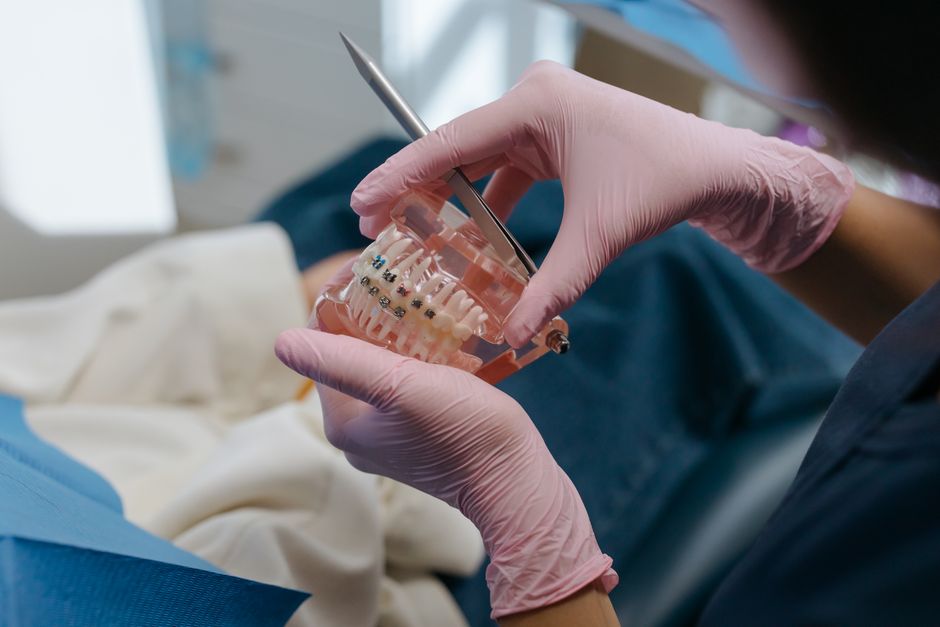
Braces are expensive, and most dental insurance plans treat them as a cosmetic add-on rather than a medical need. That distinction decides almost everything. If the misalignment is tied to a documented medical or functional problem, coverage becomes possible. If it is purely cosmetic, you will likely pay out of pocket.
Getting braces covered by medical insurance usually comes down to one thing: proving the treatment is medically necessary, not just cosmetic. That means a diagnosis of a functional problem — not simply crooked teeth — plus documentation from an orthodontist and, often, a prior authorization from the insurer before treatment starts. Dental insurance may also help through a separate orthodontic benefit, but that is a different pathway with its own rules.
Why Do Most Insurers Say Braces Are Cosmetic?
Standard dental plans classify braces as a cosmetic service, and cosmetic services are excluded from coverage by default. This is not a judgment about how your teeth look. It is a coverage category.
The reasoning is that straightening teeth for appearance alone does not treat a disease or restore function. Many people live with mild crowding or spacing their whole lives without a health consequence. Because the treatment is elective in those cases, insurers place it outside the covered benefit.
Medical insurance draws a similar line. Most health plans exclude dental treatment broadly, and orthodontia sits at the edge of that exclusion. The exception is when the orthodontic problem is a symptom of something the medical plan already covers — a congenital condition, a jaw defect, or a functional impairment tied to a diagnosed medical issue.
That word — functional — is where the whole fight happens. Insurers are not asking whether your teeth are straight. They are asking whether the misalignment causes a documented problem with eating, speaking, breathing, or jaw function.
What Counts as Medically Necessary Orthodontia?
Medically necessary means the treatment corrects a functional problem, not just an appearance concern. The exact definition varies by insurer, but the categories are fairly consistent.
Conditions that commonly qualify include:
- Severe malocclusion that interferes with chewing or speech
- Cleft lip and palate and related craniofacial conditions
- Jaw growth problems that affect breathing or airway function
- Impacted teeth that cannot erupt and risk damaging other teeth
- Orthodontic treatment needed before or after jaw surgery
- Malocclusion caused by a medical condition or injury
Notice what is not on that list: crooked teeth, gaps, overbites, and underbites on their own. Those are extremely common and usually not considered functional impairments. An orthodontist may still document them, but the insurer will look for a specific functional consequence.
Here is a point many people miss. The severity of the misalignment does not automatically equal medical necessity. A dramatic overbite that causes no functional problem may be denied. A modest misalignment that interferes with a diagnosed condition may be approved. The insurer is evaluating the consequence, not the photograph.
How To Get Braces Covered By Medical Insurance: The Steps That Matter
Coverage rarely happens by accident. It happens when the paperwork supports the claim before treatment begins. Start with your plan documents, not with the orthodontist’s office.
Step 1: Read the exclusion and the benefit.
Find the section on orthodontia. Look for two things — whether it is excluded, and whether a medical exception exists. Some plans cover orthodontia only when tied to a specific diagnosis code. Others exclude it entirely. You need to know which plan you have before you spend money on records.
Step 2: Get a clinical diagnosis, not an estimate.
An orthodontist needs to document the functional problem in clinical terms. This usually means X-rays, a treatment plan, and a written narrative explaining why the treatment is medical. A treatment estimate alone will not support a medical claim.
Step 3: Request prior authorization.
Most insurers require approval before treatment starts. If you begin braces and then ask for reimbursement, the claim is far more likely to be denied. Get the decision in writing first.
Step 4: Use the right diagnosis codes.
Medical claims are decided by diagnosis codes. A code for a functional or congenital condition is treated very differently from a code for cosmetic tooth alignment. This is where an experienced billing office matters.
Step 5: Appeal a denial with documentation.
Denials are common, and many are overturned on appeal when the clinical narrative is strong. Ask your orthodontist for a letter of medical necessity that ties the treatment directly to the functional problem.





Can Dental Insurance Cover Braces Instead?
Dental insurance is often the more realistic path, because many dental plans include an orthodontic benefit even when medical insurance does not. The catch is that this benefit is usually limited.
Common features of a dental orthodontic benefit include:
- A lifetime maximum, often a fixed dollar amount rather than a percentage
- A waiting period before the benefit can be used
- Age limits, with children’s coverage more common than adult coverage
- Coverage for a set treatment period, not the full length of treatment
A lifetime maximum means the benefit is used once. If you use it as a child and need treatment again as an adult, the money is already spent. This is a real limitation that many people discover too late.
Adult orthodontic coverage is less common than coverage for children. Some plans exclude adults entirely. Others cover adults only when the treatment is medically necessary, which sends you back to the same functional argument you would make to a medical insurer.
What About Medicaid and the Children’s Health Insurance Program?
Medicaid coverage for braces varies significantly by state. There is no single national rule. Some state Medicaid programs cover orthodontia when a specific medical necessity threshold is met, often using a scoring system that rates the severity of the malocclusion.
The Children’s Health Insurance Program, or CHIP, also varies by state. In some states, orthodontic coverage is included; in others, it is limited or absent.
Because these programs are administered at the state level, the only reliable answer is your own state’s Medicaid office or your child’s CHIP plan documents. A general answer from a national source will not tell you what your state covers.
For children, the medical necessity bar is often lower than for adults, and some states use a standardized index to decide. If your child has a significant functional problem, it is worth asking specifically how your state evaluates orthodontic requests.
What If You Do Not Qualify for Coverage?
Many people will not qualify, and that is worth saying plainly. If the misalignment is cosmetic, no amount of documentation will change the coverage category.
Options that exist outside insurance include dental school clinics, which often charge less because treatment is performed by supervised students, and payment plans offered directly by orthodontic practices. Some employers offer flexible spending accounts or health savings accounts that let you pay with pre-tax dollars, though you should confirm whether orthodontia is an eligible expense under your specific account.
The cost of braces varies widely by region, treatment type, and complexity. Metal braces generally cost less than ceramic or clear aligner options, but the total depends on how long treatment lasts and what corrections are needed. Ask for a full written estimate that includes retainers and follow-up visits, not just the braces themselves.
One practical note: the price quoted at the consult is not always the final price. Retainers, replacement of broken brackets, and extended treatment time can add cost. Get the inclusions in writing.
How Do You Appeal a Denial?
An appeal is a formal request to reconsider a denial, and it works best when it includes clinical evidence the first decision may not have seen. Start by reading the denial letter carefully. It usually states the reason and the deadline for appealing.
Ask your orthodontist for a letter of medical necessity. This letter should state the diagnosis, describe the functional problem in specific terms, and explain why treatment is required rather than optional. Attach X-rays, treatment records, and any relevant medical history.
If the first appeal fails, most plans offer a second-level appeal, and some allow an external review by an independent party. The process takes time, so start before treatment begins rather than after.
Success is not guaranteed. Some denials stand because the plan genuinely excludes orthodontia, and no clinical argument changes the plan language. Knowing which situation you are in saves effort.
Frequently Asked Questions
Can medical insurance cover braces for adults?
Medical insurance can cover braces for adults when the treatment corrects a documented functional problem, such as a jaw defect or a condition that interferes with chewing or breathing. Cosmetic alignment alone is generally not covered at any age.
Does dental insurance cover braces?
Many dental plans include an orthodontic benefit, often with a lifetime maximum and sometimes a waiting period. Adult coverage is less common than coverage for children, and some plans exclude adults entirely.
What makes braces medically necessary?
Braces are usually considered medically necessary when they correct a functional problem rather than appearance alone. Examples include severe malocclusion that affects eating or speech, cleft palate, impacted teeth, and jaw growth problems that affect breathing.
Does Medicaid cover braces?
Medicaid coverage for braces varies by state, and there is no single national rule. Some states cover orthodontia when a specific medical necessity threshold is met, while others limit or exclude it.
