
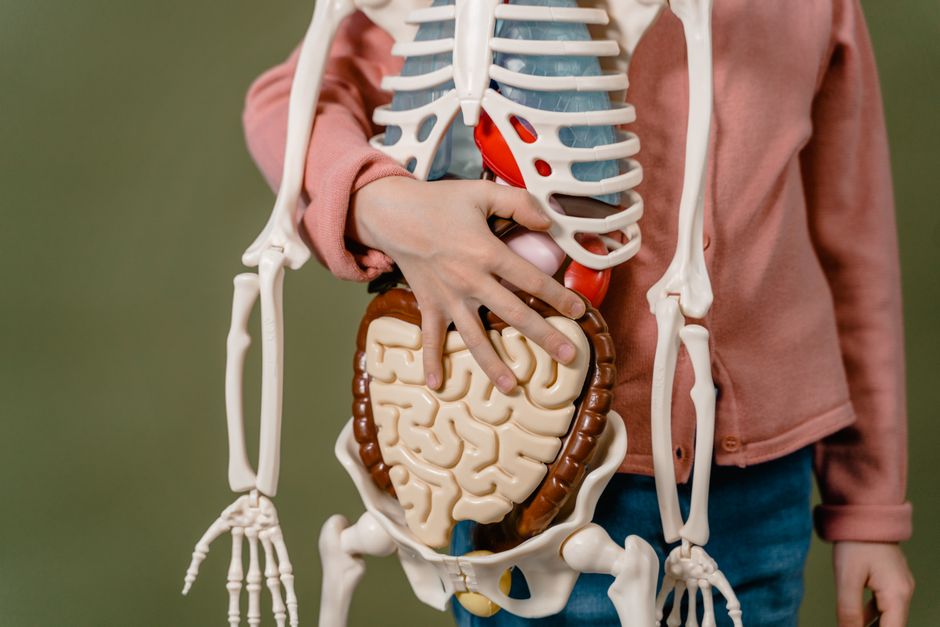
A broken rib is one of the most painful injuries you can have. Every breath, cough, or twist of your torso sends a sharp stab through your chest. The good news is that most broken ribs heal on their own within six weeks without surgery. The treatment focuses on managing pain, protecting the area, and keeping your lungs clear while the bone knits back together. Recovery requires patience, but most people return to normal activities within a month or two.
How Do You Know If Your Rib Is Broken or Just Bruised?
The symptoms of a broken rib and a severely bruised rib are nearly identical. Both cause sharp pain that worsens with deep breathing, coughing, or pressure on the area. Both make it hurt to twist, bend, or reach.
The only way to know for certain is through imaging. An X-ray is the standard first test. Some fractures do not show up on X-ray, so a CT scan may be used if the pain is severe or if your doctor suspects complications. A bruised rib is treated the same way as a broken rib, so the diagnosis does not always change the plan.
You should seek emergency care if you have difficulty breathing, rapid breathing, dizziness, or pain that spreads to your shoulder or abdomen. These can signal a collapsed lung, internal bleeding, or damage to other organs. Rib fractures can also cause pneumonia because the pain stops you from taking deep breaths and clearing mucus.
What Is the Best Way to Manage Broken Rib Pain?
Pain control is the foundation of rib fracture treatment. If you cannot breathe deeply because of pain, you are at risk for lung complications. Adequate pain relief is not a luxury — it is a medical necessity.
For mild to moderate pain, over-the-counter options include acetaminophen and ibuprofen. These can be alternated, but you should follow the dosing instructions on the label and check with a pharmacist if you take other medications. Ibuprofen and similar nonsteroidal anti-inflammatory drugs reduce inflammation and swelling. Acetaminophen works on pain but does not reduce inflammation.
For severe pain, your doctor may prescribe a stronger medication. Some patients receive a short course of opioids for the first few days. These are effective but carry risks of dependence and constipation, so they are used for the shortest time possible.
Another option is a nerve block. A doctor injects a numbing medication around the nerves that supply the ribs. This can provide several hours or days of relief and is especially helpful for patients who cannot tolerate oral pain medication. Some hospitals use this for patients with multiple fractured ribs to allow deeper breathing.
How Can You Sleep Comfortably With a Broken Rib?
Sleeping with a broken rib is challenging because lying flat puts pressure on the chest wall and makes it hard to breathe. The most comfortable position is semi-upright. Prop yourself up with several pillows so your upper body is at a 30 to 45 degree angle. This reduces the pull on your rib cage and makes breathing easier.
Sleeping on the injured side is usually the worst option because direct pressure on the fracture increases pain. Sleeping on the unaffected side can work if you place a pillow against your chest to support the injured arm and rib area. Some people find that sleeping on their back with a pillow under each arm helps keep the rib cage stable.
Use extra pillows strategically. A pillow hugged against your chest provides splinting when you cough or turn over. This simple trick reduces the jolt of movement and helps you stay asleep longer. Many people report that the first week is the hardest, and sleep gradually improves as pain subsides.




What Activities Should You Avoid During Recovery?
Your main job during recovery is to avoid anything that puts stress on the rib cage. Heavy lifting, pushing, pulling, and twisting movements should be avoided for at least six weeks. This includes lifting children, carrying groceries, and most yard work.
Exercise that raises your heart rate significantly should also be paused. Running, jumping, and high-impact sports can jolt the chest and delay healing. You can walk gently if it does not cause a spike in pain. Walking is actually encouraged because it keeps your lungs clear and prevents blood clots in the legs.
Coughing and sneezing are unavoidable and painful. Support your rib cage with a pillow or your hands when you feel a cough coming on. Press firmly against the injured area to splint the bones. This does not prevent healing — it simply reduces the movement that causes pain.
Smoking is especially harmful during rib recovery. Nicotine restricts blood vessels and slows bone healing. Smoking also increases mucus production and makes coughing more difficult, raising your pneumonia risk. If you smoke, this is the time to stop or reduce as much as possible.
How Long Does a Broken Rib Take to Heal?
Most rib fractures take about six weeks to heal. The timeline varies based on your age, overall health, and the severity of the break. Younger, healthier people often heal faster. Older adults and people with osteoporosis may need longer.
Pain typically improves significantly after two to three weeks. You may still feel soreness and stiffness for several more weeks. The bone itself is usually strong enough for normal daily activities around six weeks, but full return to sports or heavy lifting may take eight to twelve weeks.
Some ribs do not heal properly. This is called nonunion, and it can cause chronic pain and require surgery. Nonunion is more common in people with poor nutrition, diabetes, or those who continue smoking. If your pain has not improved after three or four weeks, tell your doctor. You may need repeat imaging or a referral to a specialist.
When Is Surgery Needed for a Broken Rib?
Surgery is not common for a single broken rib. Most fractures heal fine without any intervention. Surgery is considered when the rib is displaced so far that the two ends do not align, when multiple ribs are broken in a flail segment, or when the fracture causes breathing failure.
Flail chest is a serious condition where three or more adjacent ribs are broken in two or more places. This creates a segment of the chest wall that moves opposite to the rest of the rib cage during breathing. It is a medical emergency that often requires intensive care and sometimes surgery to stabilize the chest wall.
Rib fixation surgery involves using titanium plates and screws to hold the broken pieces together. This procedure is reserved for severe cases. Studies show it can reduce time on a ventilator and shorten hospital stays for patients with flail chest, but it is not offered for routine single rib fractures.
How To Treat Broken Ribs Pain Sleep And Recovery — Summary
The core strategy for broken rib recovery is simple: control pain, protect the chest, and keep breathing deeply. Take pain medication as directed, sleep semi-upright, and use a pillow to splint when you cough. Avoid heavy lifting and high-impact activities for at least six weeks.
See a doctor if you have any breathing difficulty, if pain worsens after a few days, or if you develop a fever. These can be signs of a collapsed lung or pneumonia. Most broken ribs heal without surgery, and full recovery is expected within two to three months.
Frequently Asked Questions
Can a broken rib heal on its own without treatment?
Yes, most broken ribs heal on their own within six weeks. Treatment focuses on pain management and preventing lung complications while the bone repairs itself.
What is the fastest way to heal a broken rib?
There is no way to speed up bone healing, but you can avoid slowing it down. Control pain, avoid smoking, eat a balanced diet, and rest from strenuous activities.
Is it better to sleep sitting up with a broken rib?
Yes, sleeping semi-upright with pillows reduces pressure on the rib cage and makes breathing easier. Lying flat increases pain and makes it harder to take deep breaths.
When should I go to the ER for a broken rib?
Go to the emergency room if you have trouble breathing, rapid breathing, dizziness, or pain that spreads to your shoulder or abdomen. These can indicate a collapsed lung or internal injury.
