
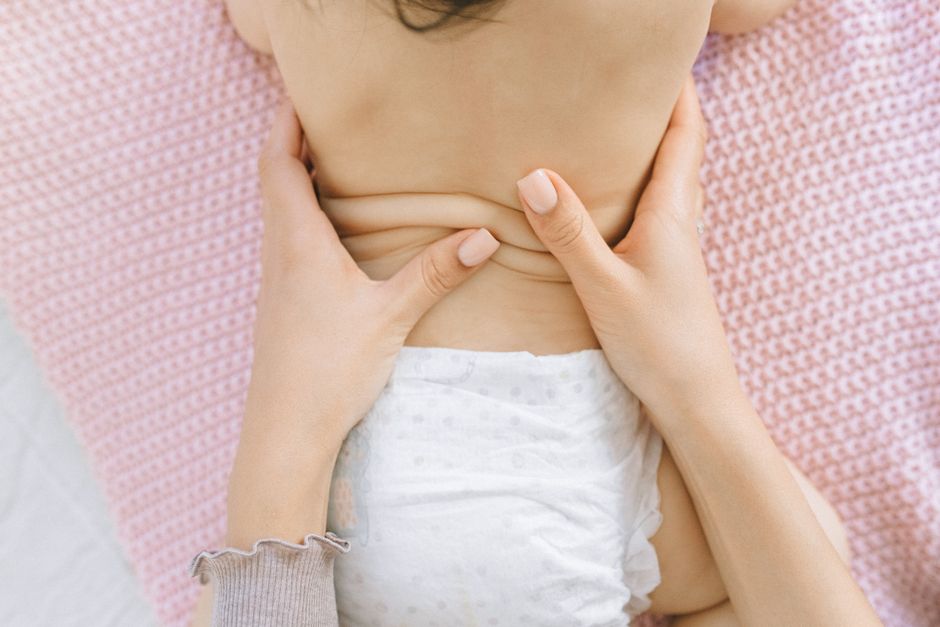
Eczema in babies is common, and many parents worry they could have done something to prevent it. The honest truth is that you cannot always prevent eczema, because genetics play a major role. However, research shows that you can reduce the risk of a flare-up and sometimes delay the onset by focusing on skin care and moisture from day one. The most effective strategy is daily moisturizing with a thick, fragrance-free cream or ointment, avoiding harsh soaps, and keeping the skin hydrated.
What Causes Baby Eczema?
Eczema, also called atopic dermatitis, is an inflammatory skin condition. It happens when the skin barrier is weak. This allows moisture to escape and irritants to get in. When irritants enter, the immune system overreacts and causes redness, itching, and dry patches.
Genetics play the biggest role. If one parent has eczema, asthma, or hay fever, the baby has a higher chance of developing it. If both parents have these conditions, the risk is even higher. You cannot change your baby’s genetics. But you can control the environment around their skin.
Triggers are different from causes. A trigger is something that causes a flare-up in a baby who already has eczema. Common triggers include dry air, heat, sweat, certain fabrics like wool, and some soaps or detergents. Food allergies can trigger eczema in some babies, but they are not the main cause for most.
How To Prevent Eczema In Babies What Parents Can Do
The single most important step is daily moisturizing. Studies have shown that applying a thick moisturizer from the first weeks of life can reduce the risk of developing eczema in high-risk babies. This works by strengthening the skin barrier before it gets damaged.
Choose a fragrance-free cream or ointment. Lotions are too thin and evaporate quickly. Ointments like petroleum jelly are the most effective at trapping moisture, but some parents find them too greasy. A thick cream is a good middle ground. Apply it all over the baby’s body, not just on dry patches. Do this at least once a day, ideally right after a bath.
Bathing is also important. A daily bath of 5 to 10 minutes in lukewarm water helps hydrate the skin. Use a gentle, fragrance-free cleanser only on the diaper area and creases. Do not scrub the skin. After the bath, pat the skin dry with a soft towel. Do not rub. Then apply moisturizer within three minutes while the skin is still slightly damp. This locks the water into the skin.
Keep the moisturizer routine going even when the skin looks clear. Eczema is a chronic condition. The skin barrier stays weak even when there are no visible patches. Stopping the routine when the skin looks good is a common mistake that leads to a flare-up.
Which Moisturizers Work Best
Not all moisturizers are equal. The best options are thick creams and ointments with few ingredients. Look for products labeled “fragrance-free” and “for sensitive skin.” Fragrance is one of the most common irritants, even in products labeled “unscented.” The term “unscented” can still contain masking fragrances. Check the ingredient list.
Petroleum jelly is the most studied and most effective option. It is pure and has no added ingredients that could irritate. Some parents worry it feels too heavy, but it works. If you prefer a cream, look for one with ceramides. Ceramides are lipids that occur naturally in healthy skin. Replacing them helps repair the barrier.
Avoid products with dyes, botanical extracts, or essential oils. These can trigger reactions in sensitive skin. Even natural ingredients like chamomile or calendula can cause irritation in some babies. Stick with simple formulas.
There is no single best brand. What matters is consistency and the absence of irritants. If one product does not seem to help after a few weeks, try a different one. Some babies do better with ointments, others with creams.



Bathing and Cleansing Mistakes To Avoid
Hot water is a common trigger. It strips the skin of natural oils. Use lukewarm water only. Test it with your wrist or elbow to make sure it is not too hot.
Soap is another problem. Regular soap is alkaline and disrupts the acid mantle of the skin. Use a soap-free cleanser or a product specifically made for babies with eczema. Use it sparingly. You do not need to wash the whole body with cleanser every day. Water alone is enough for most of the body. Focus the cleanser on the diaper area, armpits, and any visible dirt.
Do not let the baby sit in soapy water. If you use a cleanser, rinse it off completely before the bath ends. Soap residue left on the skin can dry it out and cause irritation.
Bubble baths are a definite no for babies with eczema. The foaming agents are harsh detergents that strip the skin. Even for babies without eczema, bubble baths can dry the skin.
Laundry and Clothing Choices
What the baby wears touches their skin all day. Choose soft, breathable fabrics. Cotton is the best choice. Wool and synthetic fabrics like polyester can irritate sensitive skin. They trap heat and cause sweating, which is a common trigger.
Wash all new clothes before the baby wears them. New clothes contain dyes and finishing chemicals that can irritate the skin. Use a fragrance-free, dye-free laundry detergent. Standard detergents leave residues on fabric that can trigger eczema.
Skip fabric softeners and dryer sheets. They coat the fabric with a layer of fragrance and chemicals. This layer rubs off onto the skin and can cause irritation. If you need to reduce static, a half cup of white vinegar in the rinse cycle works without leaving a smell once the clothes are dry.
Dress the baby in layers so you can adjust to the temperature. Overheating is a common trigger. A baby who is too warm will sweat, and sweat can irritate eczema-prone skin. Keep the room temperature comfortable and check the back of the baby’s neck to see if they are too warm.
When To Talk To A Doctor
Moisturizing and gentle skin care work for many babies, but not all. If your baby’s skin does not improve with a consistent routine, see a pediatrician or a dermatologist. They can prescribe treatments that are stronger than over-the-counter products.
Topical corticosteroids are the standard treatment for eczema flare-ups. Many parents worry about these creams, but when used as directed by a doctor, they are safe and effective. They reduce inflammation quickly. The key is to use the strength and duration prescribed. Do not use them longer than recommended, and do not stop suddenly.
A doctor can also help identify triggers. If you suspect a food allergy is causing eczema, talk to a doctor before removing foods from your baby’s diet. Eliminating foods without medical guidance can lead to nutritional gaps. In babies, cow’s milk, egg, and peanut are the most common food triggers, but this varies from baby to baby.
Signs of a skin infection include weeping, crusting, yellow scabs, or spreading redness. If you see these signs, contact a doctor right away. Infected eczema needs medical treatment and will not resolve with moisturizer alone.
What About Probiotics and Diet
Some research has looked at whether probiotics taken during pregnancy or given to infants can prevent eczema. The evidence is mixed. Some studies show a small benefit, others show none. There is no clear recommendation that all pregnant women or babies should take probiotics for eczema prevention. If you are considering probiotics, talk to your doctor first.
For babies who are breastfed, there is no evidence that a mother avoiding certain foods will prevent eczema in the baby. Restricting your diet during breastfeeding is not recommended unless your doctor has identified a specific allergy. The evidence does not support routine dietary restrictions for eczema prevention.
For formula-fed babies, there is no strong evidence that special formulas prevent eczema. Some hydrolyzed formulas are marketed for allergy prevention, but the research is not conclusive enough to recommend them for all babies. Standard formula is fine unless a doctor advises otherwise.
Introducing solid foods is a separate issue. Current guidance suggests introducing common allergenic foods like peanut and egg around 6 months of age, not delaying them. Delaying these foods does not prevent eczema or food allergies. Talk to your pediatrician about the right timing for your baby.
Does Breastfeeding Prevent Eczema
Breastfeeding has many benefits, but its role in eczema prevention is not fully settled. Some studies show that exclusive breastfeeding for the first 3 to 4 months may reduce the risk of eczema in early childhood. Other studies show no protective effect. The evidence is not strong enough to say that breastfeeding definitively prevents eczema.
This does not mean breastfeeding is not worthwhile. It has many proven benefits for overall health. But if you cannot breastfeed or choose not to, know that formula feeding does not cause eczema. The condition is primarily genetic. Blaming yourself for your baby’s eczema because of how you feed them is not supported by evidence.
Frequently Asked Questions
Can baby eczema be prevented completely?
No, eczema cannot always be prevented because genetics play a major role. Daily moisturizing can reduce the risk and delay onset in some babies, but it is not a guarantee.
How often should I moisturize my baby’s skin?
Apply moisturizer at least once daily, and ideally twice daily for babies with dry skin. The most important time is within three minutes after a bath while the skin is still damp.
Is it safe to use petroleum jelly on a baby?
Yes, petroleum jelly is safe and is one of the most effective moisturizers for baby eczema. It is pure, fragrance-free, and has been used safely for decades.
When should I take my baby to the doctor for eczema?
See a doctor if the eczema does not improve with regular moisturizing, if it spreads rapidly, or if you see signs of infection like weeping, crusting, or yellow scabs. A doctor can prescribe stronger treatments if needed.
