
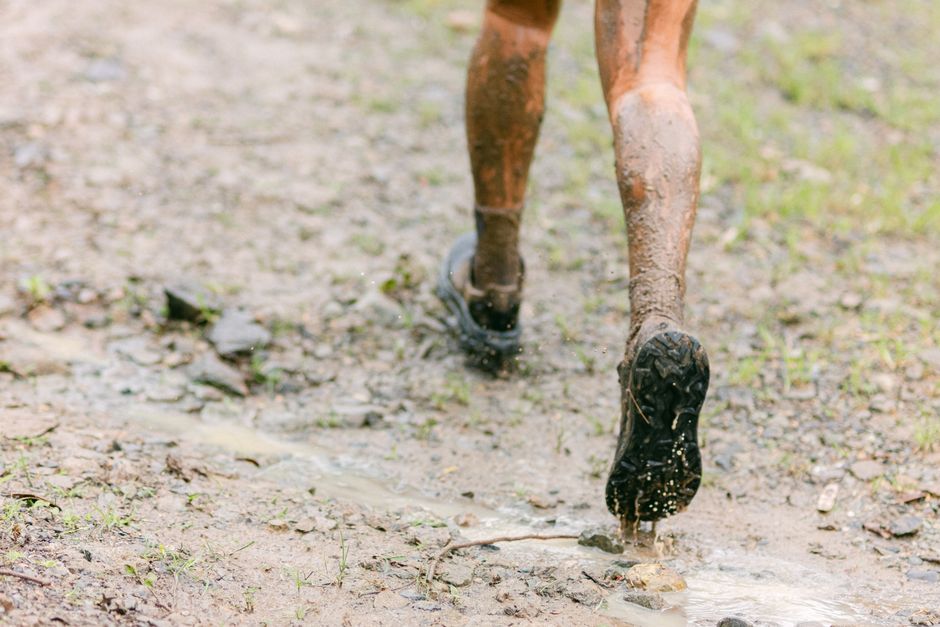
Blisters form when friction tears the layers of your skin apart. The best way to stop that from happening is to reduce friction in the first place. You do that by choosing the right socks, getting shoes that actually fit, and keeping your feet dry. When those three things work together, most running blisters never form.
What Exactly Causes a Running Blister?
A blister is your body’s way of protecting itself. When your skin rubs against something repeatedly, the top layer separates from the layers underneath. Fluid fills the space to cushion the area. That is the blister you see.
The main cause is friction. But friction alone is not always enough. Moisture makes it much worse. Wet skin is softer and tears more easily. Heat also plays a role. As your feet warm up inside your shoes, the skin becomes more pliable and more likely to form a blister.
Research published in the Journal of Athletic Training found that friction combined with moisture and heat creates the perfect conditions for blisters. Removing any one of those three factors reduces your risk significantly. That is why the strategy is not just about one thing. It is about socks, shoes, and moisture control working together.
How to Choose Socks That Prevent Blisters
Not all socks are the same. Cotton socks are the worst choice for running. Cotton absorbs moisture and holds it against your skin. As you run, the wet fabric rubs against your foot. That is a direct invitation for a blister.
Look for socks made from synthetic materials like polyester, nylon, or polypropylene. These fabrics wick moisture away from your skin. They dry faster and create less friction. Merino wool is another excellent option. It wicks moisture, resists odor, and provides cushioning without bulk.
Seamless socks are worth the extra money. Seams create ridges that rub against your toes. Many running brands now make socks with flat or seamless toe closures. They cost more but they prevent a common blister location.
Sock thickness matters too. Thin socks work well in snug-fitting shoes. Thicker socks add cushioning but can crowd your toes if your shoes are too small. Some runners use a thin liner sock under a thicker sock. This method, called double layering, moves the friction between the socks instead of between the sock and your skin. Research supports this approach for reducing blister incidence in long-distance runners.
How Shoes Should Fit to Prevent Blisters
Your running shoes should be about half a size larger than your casual shoes. When you run, your feet swell. Your toes need room to spread forward. If your toes hit the front of the shoe, you will get blisters under your toenails or on the tips of your toes.
Your heel should not lift when you walk or run. A heel that moves up and down creates friction on the back of your foot. That is where many runners get their first blister. Lace your shoes snugly around the ankle to lock your heel in place. The runner’s loop lacing technique is worth learning for this purpose.
The width of the shoe matters just as much as the length. If your foot slides side to side inside the shoe, friction will build up on the sides of your feet and toes. Many running shoe brands now offer wide sizes. Get measured at a running store if you are unsure.
Old shoes can also cause blisters. As the cushioning breaks down, your foot moves more inside the shoe. The inner lining can also develop rough spots. Most running shoes should be replaced every 300 to 500 miles depending on your weight and running surface.



What About Lubricants, Powders, and Tape?
Some runners swear by lubricants like petroleum jelly or anti-chafe balms. These products reduce friction by creating a slippery layer between your skin and your sock. They work well for many people. The downside is that they can trap moisture against your skin if you apply too much. A thin layer on high-friction areas like the heels and toes is usually enough.
Powders keep your feet dry. Talcum powder and cornstarch both absorb moisture. Some runners prefer foot-specific powders that include antifungal ingredients. The evidence for powders preventing blisters is mixed. They can help keep feet dry, but once you sweat through the powder, it offers no additional benefit.
Moleskin and athletic tape provide direct protection. You apply them to areas that are prone to blisters before you run. The tape or moleskin takes the friction instead of your skin. This method is highly effective for known problem spots. Research from the U.S. Army Research Institute of Environmental Medicine found that petroleum jelly and tape both reduced blister formation in soldiers during long marches. Tape performed slightly better for high-friction areas.
One thing to avoid is popping a blister that has already formed. The skin covering a blister protects against infection. If you leave it intact, it will heal on its own. If it breaks on its own, clean the area gently and cover it with a sterile bandage.
How to Keep Your Feet Dry During a Run
Moisture is the hidden partner in most blisters. Even with the best socks and shoes, wet skin will blister faster than dry skin. Here are practical ways to keep your feet dry:
- Change your socks immediately after a run. Do not let wet socks sit on your feet.
- Use moisture-wicking socks as described earlier. Avoid cotton at all costs.
- If your feet sweat heavily, try an antiperspirant spray made for feet. Aluminum chloride products reduce sweating.
- Let your shoes dry completely between runs. Rotating between two pairs of shoes helps.
- If you run in wet conditions, consider waterproof socks or gaiters. They keep water out but also trap heat. Test them on short runs first.
There is a common myth that soaking your feet in strong tea or rubbing alcohol will toughen the skin and prevent blisters. There is no good evidence for this. Tannic acid in tea can dry the skin temporarily, but it does not prevent friction blisters. Alcohol dries the skin too much and can cause cracking, which makes blisters more likely.
Comparing Common Blister Prevention Methods
| Method | How It Works | Best For | Evidence Level |
|---|---|---|---|
| Moisture-wicking socks | Removes sweat from skin | All runners | Strong |
| Proper shoe fit | Reduces friction points | All runners | Strong |
| Lubricants (petroleum jelly) | Reduces friction | Known hot spots | Moderate |
| Moleskin or tape | Protects specific areas | Problem spots | Moderate |
| Foot powders | Absorbs moisture | Sweaty feet | Weak to moderate |
| Double-layer socks | Moves friction between layers | Long-distance runners | Moderate |
| Waterproof socks | Blocks external moisture | Wet conditions | Anecdotal |
No single method works for everyone. The best approach is to try one change at a time. If you still get blisters, add another method. Most runners find that a combination of good socks, proper shoe fit, and targeted protection for problem areas eliminates the vast majority of blisters.
What to Do If You Keep Getting Blisters Anyway
Some runners do everything right and still get blisters. If that sounds like you, there are a few things worth checking.
Look at your running form. Overstriding or landing heavily on your heels can create extra friction inside your shoe. A running coach or a gait analysis at a running store can identify issues you cannot feel.
Check your toenails. Long toenails push against the front of your shoe and cause subungual blisters under the nail. Trim your nails straight across and keep them short.
Consider your skin type. Some people naturally have more fragile skin. If you blister easily from minor friction, you may need to be more aggressive with prevention. Tape every known hot spot before every run. Use a lubricant as a backup. Change your socks mid-run if you are going long distances.
Medical conditions can also play a role. Diabetes, peripheral artery disease, and some autoimmune conditions affect skin health and healing. If you have a medical condition and get frequent blisters, talk to your doctor before trying aggressive prevention methods.
One last thing to check is your shoe lacing. Different lacing patterns can relieve pressure on specific parts of your foot. The window lacing technique takes pressure off the top of your foot. The heel lock lacing technique keeps your heel from sliding. These small changes can make a big difference for persistent blisters.
Frequently Asked Questions
Should I pop a running blister?
No. Leave the blister intact because the skin protects against infection. If it breaks on its own, clean it gently and cover it with a sterile bandage.
Can I run with a blister?
You can, but it will hurt and may get worse. Cover it with a blister bandage or moleskin to reduce friction. If the pain is severe, take a rest day.
Do toe socks prevent blisters?
Some runners find toe socks helpful because they separate each toe and reduce friction between them. The evidence is mostly anecdotal, but they are worth trying if you get blisters between your toes.
How long does it take for a running blister to heal?
Most blisters heal within 3 to 7 days if you leave them intact. Deeper blisters may take up to two weeks. Keep the area clean and dry during healing.
