
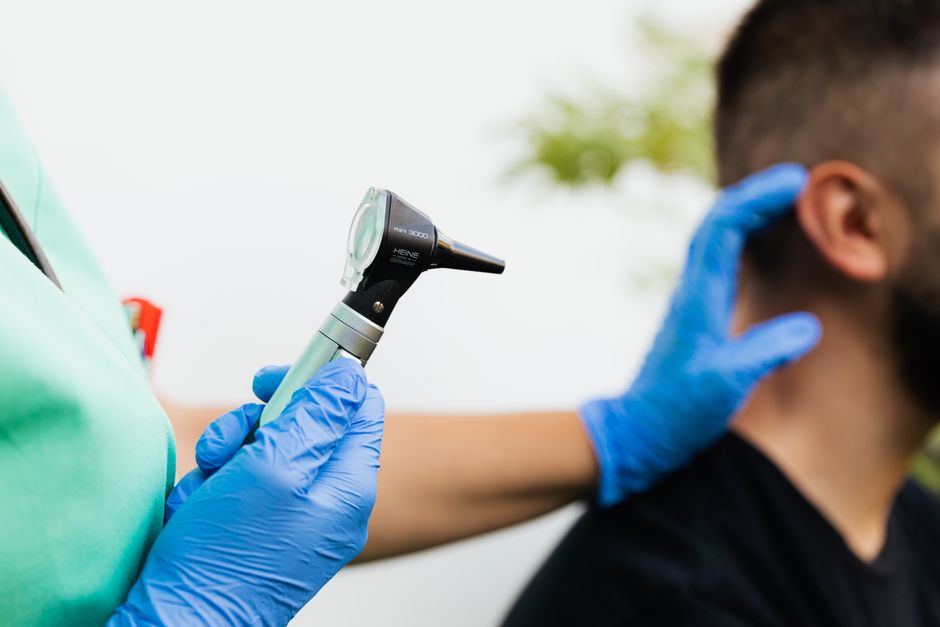
Age-related hearing loss is common, but it is not entirely out of your control. The most protective steps are avoiding loud noise, not smoking, managing conditions like high blood pressure and diabetes, staying physically active, and eating a diet rich in vegetables, fruit, and other whole foods. No supplement or single food has been proven to reverse or prevent it, but these habits are linked to slower hearing decline in large studies.
Hearing loss is one of the most common changes that comes with getting older. About one in three people in the United States between ages 65 and 74 has some degree of hearing loss, and the number rises to roughly half of those over 75, according to the National Institute on Deafness and Other Communication Disorders. Age-related hearing loss, called presbycusis, usually develops slowly over decades. By the time you notice it, damage to the inner ear has often been building for years. That slow timeline is exactly why prevention matters — and why it is worth understanding what actually drives the process.
What Actually Causes Age-Related Hearing Loss?
Presbycusis comes from changes in the inner ear, the nerves that carry sound to the brain, and sometimes the brain’s ability to process sound. The most consistent finding is the loss of hair cells in the cochlea, the snail-shaped structure in the inner ear that converts sound waves into nerve signals.
Those hair cells do not regenerate in humans. Once they are damaged or lost, they are gone. This is why hearing loss from aging tends to be permanent and progressive rather than temporary.
Several forces drive the process:
- Lifetime noise exposure — the single largest modifiable factor
- Reduced blood flow to the inner ear, tied to cardiovascular disease
- Genetic predisposition — hearing loss often runs in families
- Cumulative oxidative stress — cell damage from unstable molecules over time
- Chronic conditions such as diabetes and high blood pressure
One point worth clarifying: aging itself is not the only cause. Much of what we call age-related hearing loss is the accumulated result of noise, circulation problems, and metabolic health over a lifetime. That distinction matters, because it means some of the process is influenced by choices.
How To Prevent Age Related Hearing Loss Naturally?
The most effective natural prevention is protecting your ears from loud noise and keeping your cardiovascular system healthy. Everything else is secondary to those two.
Noise is the clearest and best-documented cause of preventable hearing damage. Sound is measured in decibels (dB). Normal conversation sits around 60 dB. Anything above 85 dB can damage hearing with enough exposure time, and the risk rises fast as volume climbs. A rock concert or a loud sporting event can reach 100 to 110 dB. A personal listening device turned up high can hit similar levels.
The general rule from hearing health organizations is that if you have to shout to be heard by someone an arm’s length away, the noise is loud enough to be risky. Practical steps include:
- Turn down the volume on earbuds and headphones — a common guideline is no more than 60 percent of maximum volume for no more than 60 minutes at a time
- Use earplugs or protective earmuffs at concerts, power tool work, and loud events
- Step away from the source of loud sound when you can
- Give your ears quiet recovery time after loud exposure
The 60/60 guideline is widely recommended by hearing health organizations, though it is a practical rule rather than a threshold proven in controlled trials. The underlying principle — lower volume and shorter duration reduce risk — is well established.
Does Diet Play a Role in Protecting Hearing?
Diet appears to matter, though the evidence is not strong enough to promise that any eating pattern will prevent hearing loss. What the research consistently shows is an association: people who eat more vegetables, fruit, whole grains, and fish tend to have less hearing decline over time than those who eat more processed food.
Several large observational studies have linked higher intake of certain nutrients to better hearing outcomes. These include folate, vitamin B12, and omega-3 fatty acids. Some research has found that adults who eat fish regularly have lower rates of hearing loss. Other studies point to diets rich in antioxidants — from fruits and vegetables — being associated with slower decline.
An important caveat: these are observational findings. They show a relationship, not proof that eating more of a nutrient prevents hearing loss. People who eat well also tend to smoke less, exercise more, and manage their health better, and those factors are hard to separate out.
What is reasonable to say is that a diet built around whole foods supports cardiovascular health, and cardiovascular health supports the blood supply to the inner ear. That chain is biologically plausible and supported by broader evidence, even if the direct hearing benefit of any single food is unproven.

Do Supplements Help Prevent Hearing Loss?
No supplement has been proven to prevent or reverse age-related hearing loss in humans. This is one of the clearest gaps between marketing and evidence.
Some early research has looked at certain compounds — including specific antioxidants and a form of vitamin B — for their potential to protect against noise-induced damage. Results have been mixed, and most of the positive findings come from animal studies or small trials. No large human trial has confirmed that any over-the-counter supplement prevents hearing loss.
That does not mean nutrition is irrelevant. It means the evidence does not support taking a pill specifically for hearing. If you have a diagnosed deficiency — such as low vitamin B12 or low folate — treating that deficiency is a medical matter worth discussing with a clinician. But taking supplements above normal needs, in the hope of protecting hearing, is not supported by current evidence.
Can Managing Health Conditions Protect Your Hearing?
Managing chronic conditions is one of the more underappreciated ways to protect hearing. The inner ear depends on a steady blood supply, and conditions that damage blood vessels can damage hearing over time.
Diabetes is strongly linked to hearing loss. Research has found that adults with diabetes are more likely to have hearing loss than those without it, and the association holds even after accounting for age. High blood pressure and cardiovascular disease are also linked to poorer hearing. Smoking narrows blood vessels and reduces oxygen delivery, and it is associated with higher rates of hearing loss.
The logic here is straightforward and supported by evidence: anything that harms circulation tends to harm the inner ear. So the same steps that protect your heart — controlling blood pressure, managing blood sugar, not smoking, staying active — likely help protect your hearing as well.
Does Exercise and Lifestyle Really Make a Difference?
Physical activity is associated with better hearing in older adults, though the evidence is not as strong as it is for noise protection. Several studies have found that more physically active adults tend to have less hearing loss, and some research suggests exercise may help maintain blood flow to the inner ear.
Other lifestyle factors that show up repeatedly in the research:
- Not smoking — smoking is consistently linked to higher risk of hearing loss
- Maintaining a healthy weight — obesity is associated with increased risk
- Managing stress and sleep — poor sleep and chronic stress are linked to worse health outcomes broadly, though the direct hearing link is less certain
- Limiting alcohol — heavy drinking is associated with hearing problems, though moderate intake is less clear
The honest summary: exercise and healthy living are worth doing for many reasons, and hearing protection is plausibly among the benefits. But the strongest, most direct evidence for preventing hearing loss still points to reducing noise exposure.
When Should You Get Your Hearing Checked?
Get your hearing tested if you notice that people seem to mumble, that you struggle to follow conversations in noisy places, or that you need the TV louder than others do. These are common early signs.
Hearing loss often develops so gradually that people adapt without realizing it. Family members frequently notice it first. A hearing test is quick, painless, and gives you a baseline.
Hearing aids and other devices do not prevent hearing loss, but they reduce the consequences — including the strain of constant effort to hear, and the social withdrawal that often follows untreated hearing loss. Research has linked untreated hearing loss in older adults to cognitive decline and social isolation, though whether treating hearing loss reverses that risk is still being studied.
Frequently Asked Questions
Can age-related hearing loss be reversed naturally?
No. Once inner ear hair cells are damaged, they do not grow back in humans, so age-related hearing loss cannot be reversed by diet, supplements, or lifestyle. Prevention and protection are the realistic goals.
What is the single best way to prevent hearing loss?
Reducing loud noise exposure is the most effective step, because noise is the clearest preventable cause of hearing damage. Turning down volume, using ear protection, and limiting time in loud environments all help.
Do vitamins or supplements prevent hearing loss?
No supplement has been proven in large human trials to prevent or reverse age-related hearing loss. Some nutrients are associated with better hearing in observational studies, but that is not the same as proven prevention.
Does exercise help protect hearing as you age?
Some studies suggest physically active adults have less hearing loss, possibly because exercise supports blood flow to the inner ear. The evidence is encouraging but not as strong as the evidence for noise protection.
