
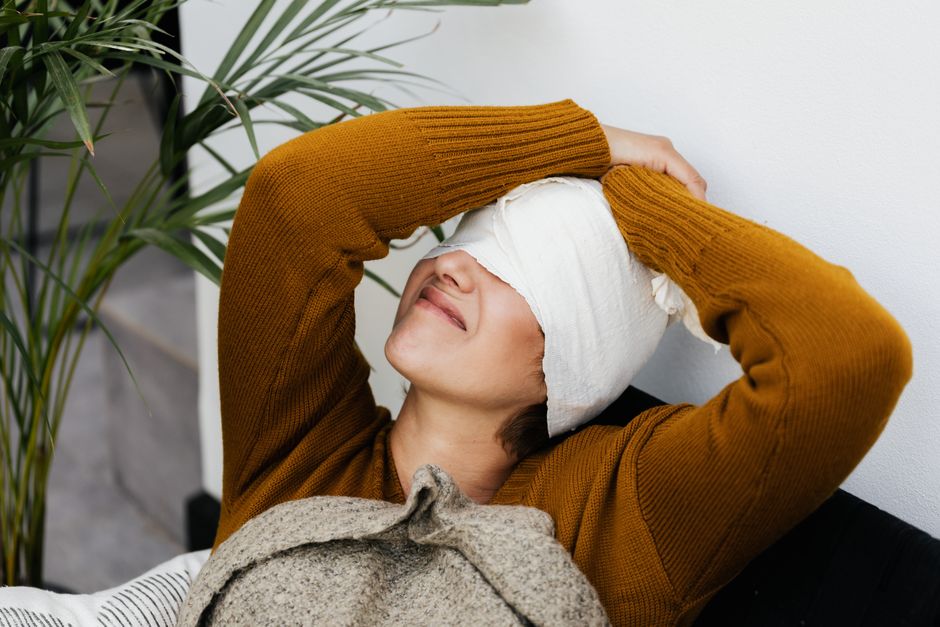
Head injuries are the leading cause of death and disability for children and young adults in the United States, and most of them are preventable. The core prevention strategy is the same at every age: reduce the chance of a fall, a blow, or a crash, and protect the head when a hit is possible. That means helmets worn correctly, safer homes and playgrounds, seat belts and car seats used properly, and a few habits that matter more than most people realize.
How To Prevent Head Injuries For Kids And Adults
Most serious head injuries come from a short list of causes: falls, motor vehicle crashes, sports impacts, and bicycle or wheeled-sport accidents. Preventing them means matching the protection to the risk.
For kids, falls are the most common cause of head injury, especially in children under 4. For teens and adults, motor vehicle crashes and sports take over as the leading causes. The steps below cut across both age groups.
- Wear a helmet for biking, skating, skiing, snowboarding, and contact sports where it is required.
- Use the right car seat, booster, or seat belt for every trip, every time.
- Install window guards and stair gates for young children.
- Remove trip hazards and add grab bars for older adults.
- Never drive after drinking or using drugs that impair reaction time.
The single most effective thing a person can do to prevent a serious head injury is wear a helmet that fits correctly during any activity where a fall is possible. A helmet that sits too loose or too high on the forehead will not protect the brain the way it is designed to.
Why Is Helmet Fit More Important Than Helmet Price?
A properly fitted helmet protects the brain. An expensive helmet that does not fit does not.
Helmets work by absorbing and spreading the force of an impact. The outer shell resists penetration, and the inner foam liner crushes slightly on impact to slow the brain’s movement inside the skull. If the helmet shifts on the head during a fall, that protection is reduced.
A correct fit means the helmet sits level on the head, low on the forehead, with the front edge about one to two finger widths above the eyebrows. The straps should form a V under each ear and meet in a buckle that is snug under the chin. The helmet should not move more than about an inch in any direction when the head is shaken.
Helmets should be replaced after any crash that involves a hard impact, even if no visible damage is present. The foam liner can compress without cracking on the outside, which means it may no longer absorb force the way it should. Many manufacturers also recommend replacing a helmet every few years, since foam and straps degrade over time.
One clarification worth knowing: a bicycle helmet is not designed for skateboarding or contact sports, and a football helmet is not designed for biking. Different helmets are tested to different impact standards. Using the right helmet for the right activity matters.
How Do You Prevent Head Injuries From Falls?
Falls cause more head injuries than any other single cause, and they happen at both ends of life — to toddlers learning to walk and to older adults losing balance.
For young children, the highest-risk moments are falls from furniture, stairs, and windows. Window falls are a serious and underrecognized risk in children under 5. Window guards or window stops that allow the window to open no more than a few inches can prevent these falls. Stair gates at the top and bottom of stairs, and never leaving a baby unattended on a changing table, bed, or sofa, reduce the most common fall scenarios.
For older adults, falls are the leading cause of traumatic brain injury. Age-related changes in balance, vision, and muscle strength raise the risk, and some medications that cause dizziness or low blood pressure raise it further. Practical steps that have good evidence behind them include:
- Removing loose rugs, cords, and clutter from walkways.
- Adding grab bars in the bathroom and handrails on both sides of stairs.
- Improving lighting, especially near stairs and in hallways at night.
- Reviewing medications with a doctor or pharmacist for ones that affect balance.
- Doing strength and balance exercises, which reduce fall risk in older adults.
Vision checks matter too. Poor vision is a known contributor to falls, and updating a prescription or treating a cataract can lower the risk.





What Car Seat and Seat Belt Rules Prevent Head Injury?
Motor vehicle crashes are a leading cause of head injury for everyone from infants to older adults, and correct restraint use is the most protective step a person can take.
For children, the general guidance from safety organizations is to keep them in the appropriate car seat or booster for as long as the seat’s height and weight limits allow, rather than moving to the next stage as soon as the minimum is met. Rear-facing seats protect the head and neck by spreading crash forces across the back of the seat. Once a child outgrows a forward-facing seat with a harness, a booster seat positions the seat belt so it crosses the strong bones of the chest and hips rather than the soft belly or neck.
Children are generally safest in the back seat until at least age 13. A seat belt should always cross the shoulder and the lap, never tucked under an arm or behind the back.
For adults, the seat belt and head restraint are the main protections. A head restraint should be positioned so its top is level with the top of the head and as close to the back of the head as is comfortable. This reduces the backward snap of the head in a rear-end crash, which is a common cause of neck and head injury.
How Do Sports and Recreation Fit Into Head Injury Prevention?
Sports are a major source of head injuries, and the risk varies widely by activity. Contact sports like football, ice hockey, and boxing carry the highest risk of concussion. Bicycling, skateboarding, horseback riding, and skiing carry high risk of more serious head injury from falls and crashes.
Helmets reduce the risk of head injury in these activities. This is one of the better-supported findings in injury prevention. What helmets do not do is prevent all concussions. A concussion is caused by the brain moving inside the skull, and a helmet cannot stop that movement entirely. So a helmet is necessary but not sufficient.
Other steps that reduce risk in sports include following the rules that limit head contact, teaching proper tackling and heading technique, and removing a player from play after any suspected concussion until a qualified professional clears them. Returning to play too soon after a concussion raises the risk of a second injury, which can be more serious than the first.
For younger children, the evidence on heading a soccer ball and long-term brain effects is still developing. Some organizations have placed limits on heading for young players as a precaution. The evidence here is limited, and parents should follow their league’s current guidance.
What Everyday Habits Reduce Head Injury Risk?
A few habits apply to almost everyone and are easy to overlook.
Alcohol is a major contributor to head injuries in adults, both because it impairs balance and reaction time and because it is involved in a large share of falls and crashes. Avoiding alcohol before driving or during activities with fall risk lowers the chance of a serious injury.
Preventing head injuries also means taking concussions seriously. A person who has had one concussion is more likely to have another, and the effects can add up. Anyone with symptoms like confusion, headache, dizziness, nausea, or trouble concentrating after a blow to the head should be evaluated by a medical professional. For children, that threshold should be low.
For people who play high-risk sports or work in jobs with fall or impact risk, the right protective equipment and safe work practices are the main defenses. Falls from heights remain a leading cause of fatal head injury in the workplace, and fall protection systems are designed specifically to prevent them.
When Should You Seek Medical Care After a Head Injury?
Some head injuries need emergency care right away. Knowing the warning signs matters because a serious brain injury can worsen in the hours after the initial impact.
Seek emergency care after a head injury if there is loss of consciousness, repeated vomiting, a worsening headache, confusion or agitation, slurred speech, weakness or numbness on one side, a seizure, unusual drowsiness, or clear fluid or blood coming from the nose or ears. For infants, a bulging soft spot, persistent crying, or refusal to feed are also warning signs.
For a mild bump with no warning signs, rest and observation are usually enough. But for children, older adults, and anyone taking blood-thinning medication, the threshold for seeking care should be lower. A head injury that seems minor can still be serious, and it is never wrong to have it checked.
Frequently Asked Questions
What is the best way to prevent head injuries in children?
The most effective steps are using the correct car seat or booster for every trip, installing window guards and stair gates, and making sure kids wear a properly fitted helmet for biking and other wheeled sports. Supervision during high-risk play also reduces falls and impacts.
Do helmets actually prevent concussions?
Helmets reduce the risk of head injury, but they do not prevent all concussions, because a concussion comes from the brain moving inside the skull. A helmet is necessary for high-risk activities but not a guarantee against concussion.
How often should a helmet be replaced?
Replace a helmet after any crash involving a hard impact, even if it looks undamaged, because the foam liner can compress without visible cracks. Many manufacturers also recommend replacing helmets every few years as materials degrade.
When should an adult see a doctor after hitting their head?
Seek emergency care for loss of consciousness, repeated vomiting, a worsening headache, confusion, weakness on one side, a seizure, or fluid or blood from the nose or ears. Adults on blood thinners should seek care after any head impact, even a minor one.
