
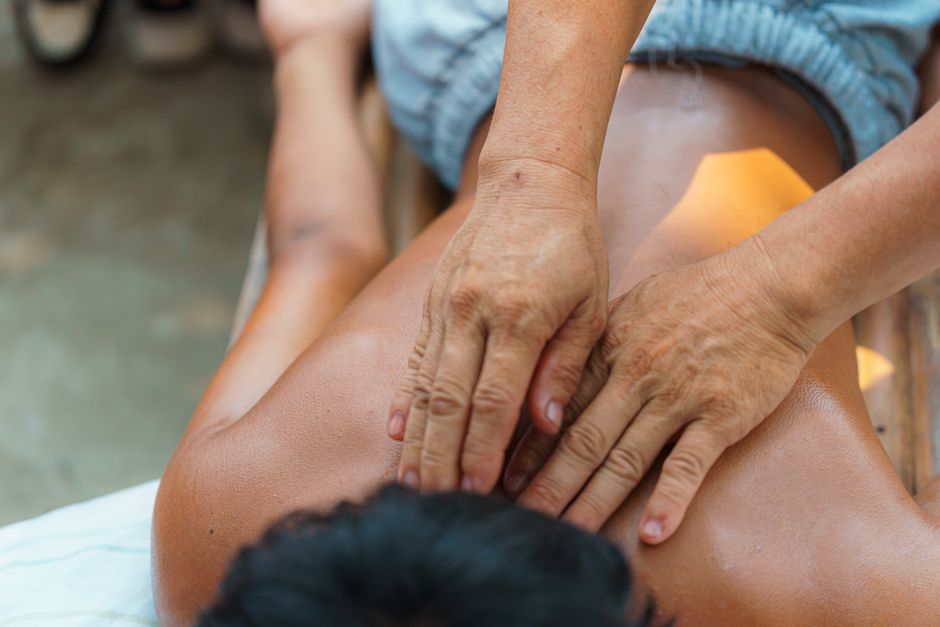
That burning, stiff feeling in your legs a day or two after a hard run is called delayed onset muscle soreness, or DOMS. You cannot fully prevent it, but you can reduce how bad it gets. The most effective steps are easing into new training gradually, keeping easy runs genuinely easy, staying hydrated, and using gentle movement or massage in the days after.
What Actually Causes Muscle Soreness After Running?
DOMS is not caused by lactic acid. That idea is one of the most persistent myths in running. Lactate clears from your muscles within about an hour of finishing a run. If soreness peaks a day or two later, lactate cannot be the reason.
The soreness comes from microscopic damage to muscle fibers, especially where the muscle attaches to tendon tissue. This happens most when you do something your muscles are not used to. A longer run than normal. Faster paces. More downhill running than your legs are conditioned for. The damage triggers a repair process, and that process is what you feel.
Downhill running deserves special mention. Your quadriceps contract while lengthening, which is called an eccentric contraction. Eccentric contractions cause more muscle damage than other types of contraction. That is why a hilly descent can leave you sorer than a flat run of the same distance.
Soreness usually starts within 12 to 24 hours and peaks somewhere between 24 and 72 hours after the run. It fades over the following days. If your pain peaks immediately and never improves, or if it sharpens rather than dulls, that is not typical DOMS. It may be an injury, and it warrants a medical evaluation.
How To Reduce Muscle Soreness After Running
The most reliable way to reduce soreness is to reduce the damage that causes it. That means controlling how much new stress you place on your muscles at one time.
Increase your weekly mileage slowly. Add distance before you add speed. When you introduce hills or faster workouts, do one new thing at a time rather than several at once. Your muscles adapt to repeated stress, which is why the same run that wrecked you in week one may barely register by week four.
After a hard effort, gentle movement helps. A short, easy walk or a very light jog increases blood flow without adding more damage. This is sometimes called active recovery. It will not erase soreness, but many runners find it makes the following days more comfortable.
Hydration matters more than most people realize. Muscle tissue is largely water, and dehydration can worsen the stiffness you feel. There is no single fluid target that fits everyone, since needs vary with sweat rate, heat, and run duration. Drinking to thirst and monitoring urine color are reasonable everyday guides.
Sleep is where much of the actual repair happens. Consistently short sleep is linked to slower recovery across many measures, though the exact effect on DOMS specifically is not firmly established. Getting enough sleep is still one of the least controversial things you can do for recovery.
Does Stretching or Foam Rolling Help?
Stretching before or after a run does not reliably prevent or reduce DOMS. This surprises people, because stretching feels like the obvious answer. The evidence simply does not support it as a soreness treatment.
Foam rolling is a different story, though the evidence is still modest. Some studies suggest foam rolling after exercise may reduce soreness and improve how muscles feel in the days that follow. The effect tends to be small and short-lived. It is unlikely to harm you, and many runners report it feels good, so it is reasonable to try.
Massage shows a similar pattern. Some research indicates massage after intense exercise can ease soreness, but study quality varies and results are not consistent. It is a low-risk option, not a guaranteed fix.
One useful distinction: there is a difference between reducing soreness and improving performance. A method might make your legs feel better without helping you run faster or recover more completely. Feeling better still matters, but it is worth being clear about what a technique actually does.





Do Ice Baths, Compression, and Supplements Work?
Cold water immersion is popular among runners, and the evidence is mixed. Some studies suggest ice baths may reduce the perception of soreness after intense exercise. Other research suggests regular cold exposure right after strength training could blunt some of the muscle-building adaptations you want. The practical takeaway is that cold water may help you feel better in the short term, but it is not clearly helping your muscles adapt. For most recreational runners, that trade-off is minor.
Compression garments are widely used. The evidence for reducing soreness is limited and inconsistent. Some runners find them comfortable, and comfort alone can be a valid reason to wear them.
Supplements are where marketing tends to outrun the science. A few have some supporting evidence, but results vary and no supplement is a reliable cure for soreness.
- Tart cherry — some studies suggest it may reduce soreness and markers of muscle damage, though findings are not uniform.
- Omega-3 fatty acids — some evidence indicates they may modestly reduce soreness, but studies are mixed.
- Vitamin D — relevant mainly if you are deficient, which is a separate issue from soreness.
- Branched-chain amino acids — marketed heavily for recovery, but the evidence for reducing DOMS is weak.
If you are considering a supplement, remember that in the United States, dietary supplements are not reviewed by the FDA for safety and effectiveness before they are sold. That does not make them unsafe by default, but it does mean claims on the label are not the same as proven results.
What About Pain Relievers and Anti-Inflammatory Drugs?
Over-the-counter pain relievers can reduce the ache of soreness. That part is straightforward. What is less straightforward is whether using them regularly after training is a good idea.
Some evidence suggests that routinely blocking inflammation after exercise may interfere with the very repair process that makes your muscles stronger. Inflammation is not just a nuisance here. It is part of how muscle adapts. This does not mean you should never take a pain reliever for soreness. It means treating every post-run ache with medication may work against your training goals over time.
If you are taking any medication regularly, or if you have a condition affecting your kidneys, liver, or stomach, talk with a clinician before using pain relievers around your training. This is not a decision to make by default.
When Should You Worry About Soreness?
Normal DOMS is symmetrical, dull, and improves day by day. It usually affects the muscles you worked, not your joints or bones. It fades within about a week.
Some signs suggest something other than ordinary soreness:
- Pain that gets worse instead of better after the first day or two
- Sharp or pinpoint pain rather than a broad ache
- Swelling, bruising, or a joint that feels unstable
- Dark or cola-colored urine after intense exercise
- Severe weakness that does not improve
Dark urine after a very hard effort is a warning sign that needs urgent medical attention. It can indicate a rare but serious condition called rhabdomyolysis, in which muscle breaks down rapidly and releases contents that can harm the kidneys. This is uncommon, but it is not something to wait out.
If soreness lasts well beyond a week, or if you cannot tell whether it is soreness or injury, seeing a doctor or physical therapist is reasonable. Getting an accurate answer beats guessing.
Can You Train Through Soreness?
Light activity is usually fine when you are sore. A gentle run or walk can help you feel looser. The general rule runners use is that mild soreness is workable, but sharp pain is not.
If soreness is significant, giving the affected muscles a lighter day makes sense. You can still train other parts of your body or do easy cross-training. Pushing hard through real soreness tends to prolong it rather than shorten it.
The bigger picture is that soreness is a poor measure of a good workout. Some of your most productive training produces little soreness, and some soreness comes from sessions that were simply too much too soon. Chasing soreness as proof of effort usually leads to overtraining, not progress.
Frequently Asked Questions
How long does muscle soreness last after running?
DOMS typically starts within 12 to 24 hours, peaks between 24 and 72 hours, and fades over several days. Most cases resolve within about a week.
Does stretching prevent soreness after running?
No, stretching does not reliably prevent or reduce DOMS. The evidence does not support it as a soreness treatment, though it is not harmful.
Is it better to rest or keep moving when sore?
Gentle movement like an easy walk or light jog is usually fine and often helps you feel looser. Avoid hard efforts until the soreness fades.
When should I see a doctor for muscle soreness?
See a doctor if pain worsens after the first day or two, is sharp or one-sided, comes with swelling or dark urine, or lasts beyond a week. Dark urine after intense exercise needs urgent care.
