
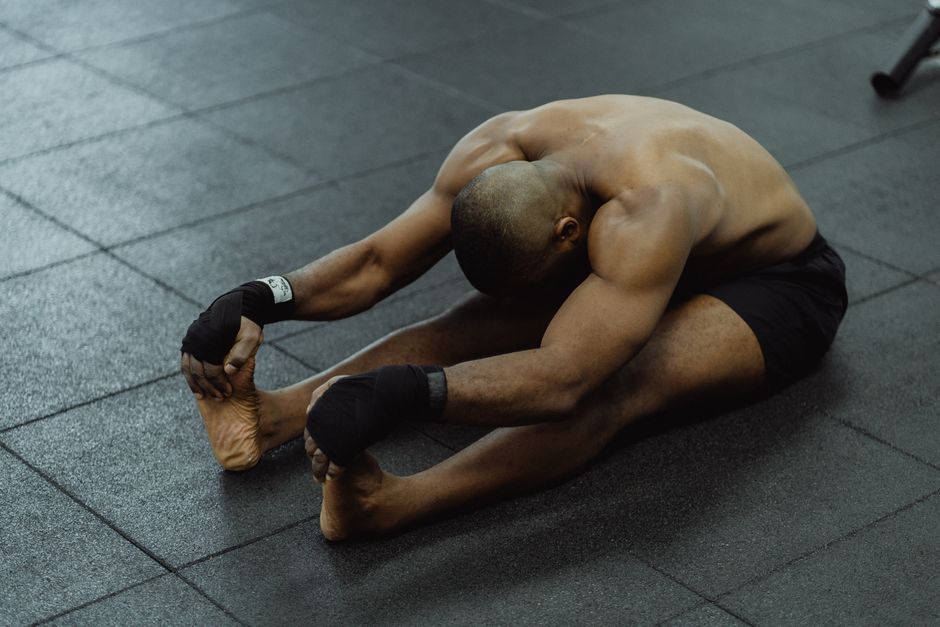
Muscle soreness after exercise is a normal response to physical activity your body isn’t used to. The most effective way to prevent it is to gradually increase the intensity and duration of your workouts over time. While you cannot always avoid soreness completely, consistent training, proper warm-ups, and allowing for adequate recovery between sessions will significantly reduce how severe it feels.
What Causes Muscle Soreness After Exercise?
The soreness you feel a day or two after a workout is called delayed onset muscle soreness, or DOMS. It is not caused by lactic acid, which clears from your muscles within an hour of finishing exercise. The discomfort comes from microscopic tears in your muscle fibers and the inflammation that follows as your body repairs them.
These tiny tears are most common when you try a new activity, return to exercise after a break, or perform movements that lengthen a muscle while it is under tension. Think of lowering a heavy weight slowly or running downhill. That eccentric motion is a primary trigger for soreness. The repair process makes your muscles stronger, which is why some soreness is a sign your body is adapting.
How To Prevent Muscle Soreness After Exercise: Key Facts
The single most reliable strategy to prevent muscle soreness is progressive overload. This means increasing your exercise volume or intensity by no more than about 10 percent per week. If you ran two miles last week, run 2.2 miles this week. If you lifted 50 pounds, try 55 pounds. This gradual increase gives your muscles, tendons, and nervous system time to adapt without excessive damage.
Warming up before exercise also helps. A five to ten minute warm-up that raises your heart rate and moves the joints you will use increases blood flow to the muscles. This makes them more pliable and ready for work. A proper warm-up does not eliminate soreness, but it reduces the strain on cold muscle tissue.
Cooling down with light movement, such as walking or easy cycling for five minutes, can help return your heart rate to normal gradually. The evidence that it prevents soreness is mixed, but it does not hurt and can help you transition out of a workout.
Does Stretching Prevent Muscle Soreness?
Static stretching, where you hold a position for 20 to 30 seconds, does not reliably prevent muscle soreness. Research has been fairly consistent on this point. Stretching before or after exercise has not been shown to meaningfully reduce DOMS.
Dynamic stretching, which involves controlled movements through a full range of motion, is more useful as part of a warm-up. Leg swings, arm circles, and walking lunges prepare your muscles for movement. They are not a prevention method on their own, but they are part of a smart warm-up routine.
The best use of stretching is for flexibility and long-term joint health, not for soreness prevention. If you enjoy stretching, keep doing it. Just do not expect it to protect you from soreness after a hard workout.





Do Compression Garments or Ice Baths Help?
Compression sleeves and socks have some evidence behind them. Wearing them during or after exercise may slightly reduce soreness and perceived fatigue. The effect is modest, and it will not prevent soreness entirely. If you find them comfortable, they are a reasonable tool.
Cold water immersion, often called ice baths, is popular among athletes. Some studies suggest it can reduce soreness in the days after intense exercise. However, the research is not unanimous on the best temperature, duration, or whether the benefits outweigh the potential interference with muscle growth. Recent evidence has raised questions about whether ice baths blunt the long-term adaptation to training.
The practical takeaway is that these recovery tools offer small benefits at best. They do not replace the fundamentals of gradual progression and rest.
What Role Does Nutrition Play in Recovery?
Your muscles need protein and carbohydrates to repair themselves. Eating a meal or snack with both within a few hours after exercise supports the repair process. This does not prevent soreness directly, but it gives your body the materials it needs to rebuild efficiently.
Protein intake throughout the day matters more than the timing of a single post-workout shake. Spreading protein across your meals, aiming for roughly 20 to 40 grams per meal for most adults, supports muscle repair. Carbohydrates replenish the energy stores your muscles used during exercise.
Hydration is also important. Even mild dehydration can impair recovery and may make soreness feel worse. Drink water before, during, and after exercise, especially in hot conditions.
How Much Rest Do Your Muscles Need?
Sore muscles need time to repair. The repair process peaks around 24 to 72 hours after exercise. Training the same muscle group hard every day does not allow this process to complete and increases your risk of injury.
A practical approach is to alternate muscle groups on consecutive days. If you do a lower body workout on Monday, focus on upper body on Tuesday. If you do full-body workouts, take at least one rest day between sessions. Light activity on rest days, like walking or gentle yoga, can promote blood flow without adding more damage.
Sleep is the most underrated recovery tool. Growth hormone, which is essential for tissue repair, is released primarily during deep sleep. Adults generally need seven to nine hours per night. Skimping on sleep while training hard is a direct path to worse soreness and slower progress.
When Should You See a Doctor for Muscle Soreness?
Normal soreness is symmetrical, feels like a dull ache, and improves over a few days. You should seek medical attention if the pain is sharp, if it is only on one side of the body, or if it does not improve after about a week.
More concerning symptoms include dark brown or cola-colored urine, severe weakness, or swelling in the affected muscles. These can be signs of rhabdomyolysis, a serious condition where muscle tissue breaks down and releases proteins into the bloodstream. This is rare but can occur after extreme exercise, especially when someone pushes far beyond their fitness level.
If your soreness is accompanied by fever, or if you cannot bear weight on the affected limb, see a doctor. It is always better to check than to push through a potentially serious injury.
Frequently Asked Questions
Does stretching before exercise prevent muscle soreness?
No. Static stretching before exercise does not reliably reduce muscle soreness. A proper warm-up with light cardio and dynamic movements is more effective for preparing your muscles.
How long does muscle soreness typically last?
Muscle soreness usually peaks 24 to 72 hours after exercise and resolves within five to seven days. If soreness lasts longer than a week, it is worth having it evaluated by a healthcare professional.
Can I work out while still sore?
You can, but you should not train the same sore muscle group at high intensity. Light activity can help, but working a sore muscle hard delays recovery and increases injury risk.
Does taking pain relievers help with muscle soreness?
Over-the-counter pain relievers can temporarily reduce discomfort, but they do not speed up recovery. Some evidence suggests regular use of anti-inflammatory drugs may interfere with muscle adaptation, so it is best to use them sparingly.
