
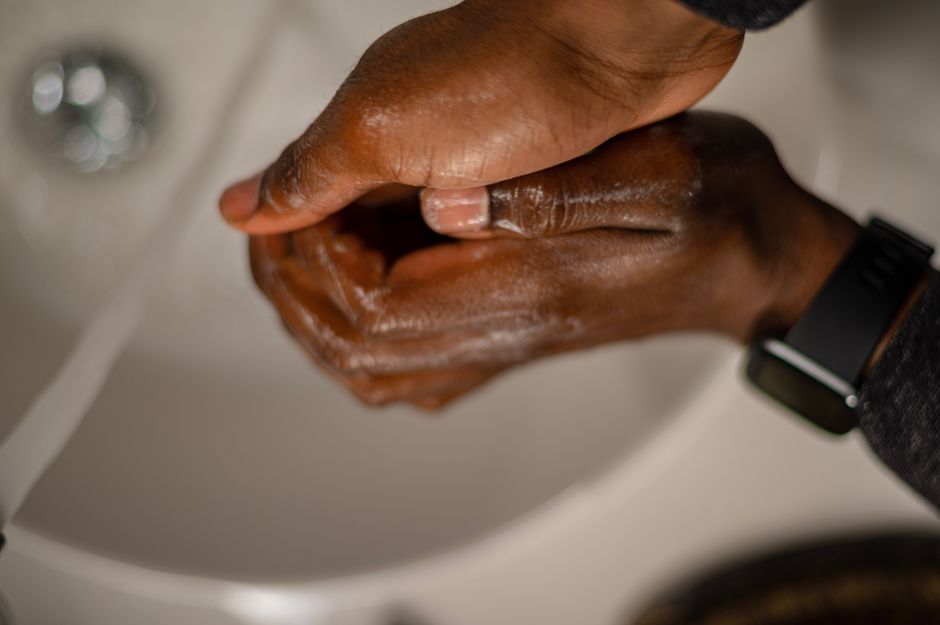
MRSA spreads mainly through direct skin-to-skin contact and through contact with contaminated hands, surfaces, and shared items. The single most effective way to prevent it from spreading is consistent hand hygiene with soap and water or an alcohol-based hand rub. Beyond that, keeping wounds covered, avoiding the sharing of personal items, and cleaning shared surfaces help break the chain of transmission.
What Is MRSA and Why Does It Spread So Easily?
MRSA stands for methicillin-resistant Staphylococcus aureus. It is a type of staph bacteria that has developed resistance to methicillin and several other common antibiotics in the penicillin family.
Staphylococcus aureus is a bacterium that lives on the skin and in the nose of many healthy people without causing any harm. This is called colonization. According to the CDC, roughly 30% of people carry staph in their nose at any given time, and about 2% carry MRSA. When the bacteria stay on the surface, there is no infection. Problems begin when they enter the body through a break in the skin, a wound, a surgical incision, or a medical device like a catheter.
MRSA spreads easily because it lives on skin and survives on surfaces. It can pass from person to person through a handshake, a shared towel, or a gym bench. In healthcare settings, it moves on the hands of healthcare workers and on contaminated equipment. In the community, it spreads where people have close skin contact and share items.
One detail that often gets overlooked: a person can carry MRSA on their skin or in their nose and spread it to others without ever feeling sick. Asymptomatic carriers are a major reason the bacteria keeps moving through households, locker rooms, and hospitals.
How To Prevent MRSA Infection From Spreading: Everyday Steps
Hand hygiene is the foundation. Wash your hands with soap and water for at least 20 seconds, or use an alcohol-based hand sanitizer that contains at least 60% alcohol when soap is not available. The CDC identifies hand hygiene as the most important step in preventing the spread of MRSA.
Wash your hands especially in these situations:
- Before and after touching a wound, bandage, or dressing
- After using the bathroom
- Before preparing or eating food
- After touching shared surfaces in gyms, schools, or public spaces
- After changing a bandage on someone else
Keep any wound or break in the skin covered with a clean, dry bandage until it heals. Pus or drainage from an infected wound is teeming with bacteria. Covering it protects others and also protects you from picking up other germs. Change the bandage when it becomes wet or dirty, and throw used bandages in the trash, not on the floor or in a shared bin without a liner.
Do not share personal items that touch skin. This includes towels, razors, soap, lotions, clothing, uniforms, and athletic equipment. MRSA can live on fabrics and hard surfaces for days to weeks depending on the conditions, so shared items are a real route of transmission.
Clean shared surfaces regularly. Use a disinfectant that is effective against staph bacteria. High-touch areas include doorknobs, light switches, countertops, gym equipment, and shared keyboards. In athletic settings, wipe down mats and equipment before and after use.
How Does MRSA Spread in Hospitals and Care Settings?
Healthcare-associated MRSA is a serious concern because patients in hospitals are often more vulnerable. They may have surgical wounds, weakened immune systems, or medical devices that give bacteria a direct path into the body.
In these settings, prevention relies on several layers. Healthcare workers are expected to follow contact precautions for patients known to carry or be infected with MRSA. This can include wearing gloves and a gown, using dedicated equipment, and isolating the patient in a single room when possible.
Hand hygiene among healthcare workers remains the single most important measure. Research consistently shows that improving hand hygiene compliance reduces healthcare-associated infections, including MRSA.
Environmental cleaning matters too. Hospitals use disinfectants proven to kill MRSA on surfaces and equipment. Patients and visitors can help by washing their own hands and by asking healthcare workers to clean their hands before touching them. That request is reasonable and encouraged by patient safety organizations.
Some hospitals screen patients for MRSA on admission, particularly those entering intensive care or having certain surgeries. Screening helps identify carriers so that precautions can be taken early. Whether universal screening is better than targeted screening is still debated among researchers, and practices vary between hospitals.





What About Decolonization and Household Spread?
Decolonization means clearing MRSA from the body, usually from the nose and skin. It is sometimes used in healthcare settings and sometimes recommended for people with repeated MRSA infections.
The most studied approach involves applying an antibiotic ointment inside the nose, often mupirocin, sometimes combined with antiseptic bathing using chlorhexidine. This approach has been shown in clinical trials to reduce MRSA infections in certain high-risk settings, such as intensive care units and before some surgeries.
For household members, the evidence is less clear. Some clinicians recommend decolonization for everyone in a household where MRSA keeps recurring, but this is not universally supported by strong trial evidence. If you live with someone who has MRSA, the basics still matter most: hand hygiene, not sharing personal items, covering wounds, and cleaning shared surfaces.
If you or a household member has a MRSA infection, talk with a healthcare provider about what steps make sense for your situation. Do not attempt to use leftover antibiotics or apply ointments meant for someone else. Using antibiotics incorrectly can make resistance worse.
Does Antibiotic Use Affect MRSA Spread?
Yes, and this is one of the less obvious connections. Every time antibiotics are used, they kill off susceptible bacteria and leave behind the ones that can survive. Over time, this selective pressure allows resistant bacteria like MRSA to thrive.
This is why antibiotic stewardship matters. That term means using antibiotics only when they are truly needed, at the right dose, for the right duration. Colds, flu, and most sore throats are caused by viruses, and antibiotics do nothing for them. Taking antibiotics for a viral illness does not help you and contributes to resistance in the community.
If you are prescribed antibiotics, take them exactly as directed. Do not skip doses, do not stop early unless a clinician tells you to, and do not save leftover antibiotics for later. Do not take antibiotics prescribed for someone else.
What Should You Do If You Think You Have MRSA?
MRSA skin infections often look like a red, swollen, painful area that may resemble a spider bite, boil, or pimple. They can drain pus. Some people develop a fever. If you notice a wound or skin area that is red, warm, swollen, or draining pus, see a healthcare provider.
Do not try to drain a boil or sore yourself. Do not pick at it. Cover it with a clean, dry bandage and keep your hands away from it. Wash your hands after any contact with the area.
Early treatment matters. Most MRSA skin infections can be treated effectively, but delays can allow the infection to spread deeper into the body, where it becomes much more serious. If you have a skin infection along with a fever, chills, or a feeling of being very unwell, seek medical care promptly.
If a provider confirms MRSA, follow their instructions for wound care and any prescribed treatment. Keep the wound covered until it heals. Clean your hands often. Avoid close contact with others until the infection is under control, and do not share items that touch the affected skin.
Which Settings Carry the Highest Risk?
MRSA can affect anyone, but certain environments make spread more likely because of crowding, shared equipment, or skin-to-skin contact.
- Hospitals and nursing homes: Patients with wounds, IV lines, or weakened immune systems are at higher risk.
- Gyms and locker rooms: Shared equipment, benches, and towels create opportunities for transmission.
- Schools and daycare centers: Close contact and shared supplies help bacteria move between children.
- Correctional facilities and military barracks: Crowded living conditions and shared items increase risk.
- Sports teams: Contact sports and shared equipment make outbreaks more likely.
Knowing the risk does not mean avoiding these places. It means being deliberate about hygiene, covering wounds, and not sharing items that touch skin.
Frequently Asked Questions
Can MRSA be spread through the air?
MRSA spreads primarily through direct contact and contaminated surfaces, not through the air in the way that colds or flu spread. Airborne transmission is not considered a main route for MRSA in typical community or healthcare settings.
How long does MRSA live on surfaces?
MRSA can survive on hard surfaces and fabrics for days to weeks, depending on temperature, moisture, and the type of surface. Regular cleaning with an appropriate disinfectant reduces this risk.
Can I get MRSA more than once?
Yes, repeat infections are possible, especially if you carry the bacteria on your skin or in your nose. Some people benefit from decolonization, but this should be discussed with a healthcare provider.
Is MRSA curable?
Most MRSA infections can be treated successfully, though treatment may require specific antibiotics that the bacteria is still sensitive to. Serious infections that reach the bloodstream or deep tissues are harder to treat and require prompt medical care.
