
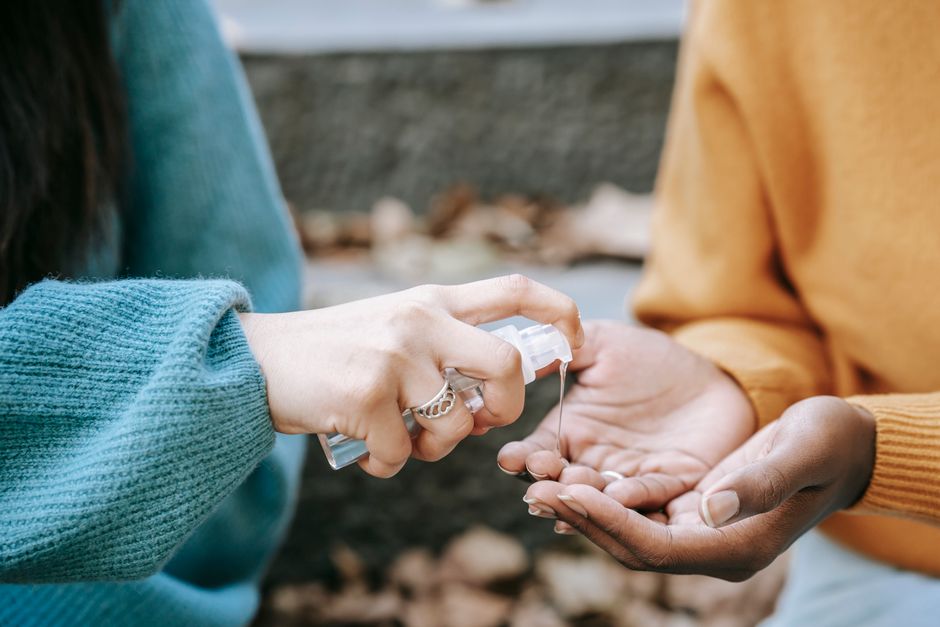
A cut or scrape becomes infected when bacteria get into the wound and multiply. You prevent that by cleaning the wound promptly with clean running water, removing dirt and debris, covering it with a clean bandage, and keeping it clean and dry while it heals. Most minor wounds treated this way heal without problems. Knowing when a wound needs medical care matters just as much as the cleaning itself.
How To Prevent Infection In A Cut Or Scrape
Prevention starts in the first few minutes after injury. The goal is simple: reduce the number of bacteria in the wound and keep new ones out.
Wash your hands before you touch the wound. This step gets skipped often, and it matters. Your hands carry bacteria that can move straight into an open break in the skin.
Then rinse the wound under clean running water. Cool or lukewarm water works fine. The mechanical flow of water does most of the work by carrying dirt, grit, and bacteria away from the tissue.
Wash gently around the wound with mild soap. Some clinicians advise keeping soap out of the wound bed itself because it can irritate tissue, while others find brief soap contact acceptable. The evidence does not clearly favor one approach for minor wounds. Gentle cleansing with water alone is a reasonable default.
If there is visible dirt or gravel in the wound, remove it. Tweezers cleaned with rubbing alcohol can lift out debris that rinsing did not clear. Do not dig into the tissue.
Skip hydrogen peroxide, rubbing alcohol, and iodine on the open wound. These can damage healthy tissue and slow healing. There is no good evidence they reduce infection in minor wounds more than plain water does. This is one of the most common mistakes people make.
Pat the area dry with a clean cloth, then cover it. A bandage keeps bacteria out and keeps the wound moist, which supports healing.
What Is the Best Way to Clean a Wound?
Clean running water is the standard. Research on wound cleansing consistently supports irrigation with water or saline over leaving a wound uncleaned.
Tap water is generally acceptable for minor wounds in healthy people. If you have concerns about water quality, bottled water or sterile saline works. Sterile saline is the preferred option in clinical settings.
Pressure helps. A gentle stream from a faucet or a syringe can flush out debris that soaking does not reach. Soaking a wound in a bowl of water is not recommended because it can soften tissue and does not remove debris as well as running water.
For scrapes with embedded dirt, a soft washcloth can help lift particles from the surface. Use light pressure. Scrubbing hard damages tissue and does not improve outcomes.
After cleaning, look at the wound carefully. If you cannot get all the debris out, or if the wound is deep, that is a reason to seek medical care rather than keep working at it at home.
Should You Cover a Cut or Let It Breathe?
Cover it. The old advice to let a wound “breathe” and form a scab is not supported by what we know about healing.
Moist wound environments heal faster and with less scarring than dry ones. A scab is a dry crust that slows the movement of new skin cells across the wound surface. Covered wounds also have a lower risk of contamination from the environment.
Use a clean bandage or sterile gauze. Change it at least once a day, and sooner if it becomes wet or dirty. If the wound oozes, change the dressing more often.
For minor scrapes, an adhesive bandage is enough. For larger areas, a non-stick dressing held in place with tape or wrap works. Some modern dressings are designed to stay on for several days, but these are usually used under medical guidance.
Once the wound has closed and new skin has formed, covering is no longer needed. Until then, keep it covered.




What Raises Your Risk of an Infected Wound?
Some wounds and some people carry higher risk. Recognizing this helps you decide how closely to watch a wound and when to call a clinician.
- Wound type: Puncture wounds, bites, and crush injuries are more likely to become infected than clean cuts. Bites carry bacteria from the mouth of the animal or person.
- Contamination: Wounds exposed to dirt, soil, feces, or saliva carry more bacteria than wounds from a clean kitchen knife.
- Location: Wounds on the hands, feet, and areas near joints can be harder to keep clean and may need closer attention.
- Depth: Deep wounds, or wounds where the edges do not come together, may need medical closure.
- Health conditions: Diabetes, poor circulation, and a weakened immune system all increase infection risk and slow healing.
- Medications: Some drugs that suppress the immune system can raise risk.
- Age: Very young children and older adults tend to be more vulnerable.
Tetanus is a separate concern. The bacteria that cause tetanus live in soil and dust. A wound contaminated with dirt, or a puncture wound, may warrant a tetanus booster if your vaccination status is not up to date. Tetanus vaccination guidance comes from public health authorities, and the recommended interval between boosters has been updated over the years. If you are unsure of your status, contact a clinician.
When Does a Cut or Scrape Need Medical Care?
Some wounds should not be managed at home. Getting care early can prevent a minor problem from becoming a serious one.
Seek medical attention if:
- The wound is deep, gaping, or you can see fat, muscle, or bone
- Bleeding does not stop after about 10 minutes of firm, steady pressure
- The wound is on the face, or crosses a joint
- It came from an animal or human bite
- It is a puncture wound from a dirty object, such as a nail
- There is dirt or debris you cannot remove
- Feeling or movement is lost or reduced below the wound
- You have diabetes, poor circulation, or a weakened immune system
- Your tetanus vaccination is not current
Wounds that need stitches are best closed within a window of several hours, though the exact timing depends on the wound and the clinician’s judgment. Do not wait days to have a wound evaluated.
How Do You Know If a Wound Is Already Infected?
Infection usually shows up within a few days of injury, though timing varies. Watch for changes in how the wound looks, feels, and behaves.
Signs of infection include:
- Increasing redness or warmth around the wound
- Swelling that gets worse instead of better
- Pain that increases after the first day or two
- Pus or cloudy fluid draining from the wound
- A bad smell from the wound
- Red streaks spreading from the wound
- Fever or chills
Mild redness and swelling right after an injury are normal. What matters is the direction of change. A wound that is improving over the first two days is likely healing. A wound that is getting more painful, more red, or more swollen is heading the wrong way.
Red streaks, fever, or rapidly spreading redness are reasons to get medical care right away. These can signal a more serious infection that needs prompt treatment.
Does Antibiotic Ointment Help Prevent Infection?
Over-the-counter antibiotic ointments are widely used on minor wounds. The evidence that they prevent infection in clean, minor cuts and scrapes is limited.
Some studies suggest these products may slightly reduce infection risk in certain wounds, but results vary and the effect is not large for simple injuries. They can keep the wound surface moist, which supports healing. That benefit is real but modest.
Petroleum jelly offers the same moisture benefit without antibiotics. For a clean minor wound that has been properly cleaned, petroleum jelly under a bandage is a reasonable option.
Antibiotic ointments are not risk-free. Some people develop skin irritation or allergic reactions, and routine use of antibiotics on wounds contributes to the broader problem of antibiotic resistance. Using them on every scrape is not necessary.
Oral antibiotics are a different matter. They are not appropriate for minor wounds and should only be used when prescribed by a clinician for a confirmed or suspected infection.
Frequently Asked Questions
How long does it take for a cut to heal?
Most minor cuts and scrapes heal within a week to 10 days. Deeper wounds or wounds in areas that move a lot can take longer.
Can I use hydrogen peroxide on a cut?
It is not recommended for open wounds because it can damage healthy tissue and slow healing. Plain running water cleans a minor wound well without that risk.
Should I let a scrape dry out and scab over?
No. Covered, moist wounds heal faster and with less scarring than wounds left to dry and scab. Keep the wound covered with a clean bandage while it heals.
When should I see a doctor for a cut?
See a doctor if the wound is deep or gaping, will not stop bleeding, is from a bite, or shows signs of infection like spreading redness, pus, or fever. Wounds that may need stitches should be evaluated promptly.
