
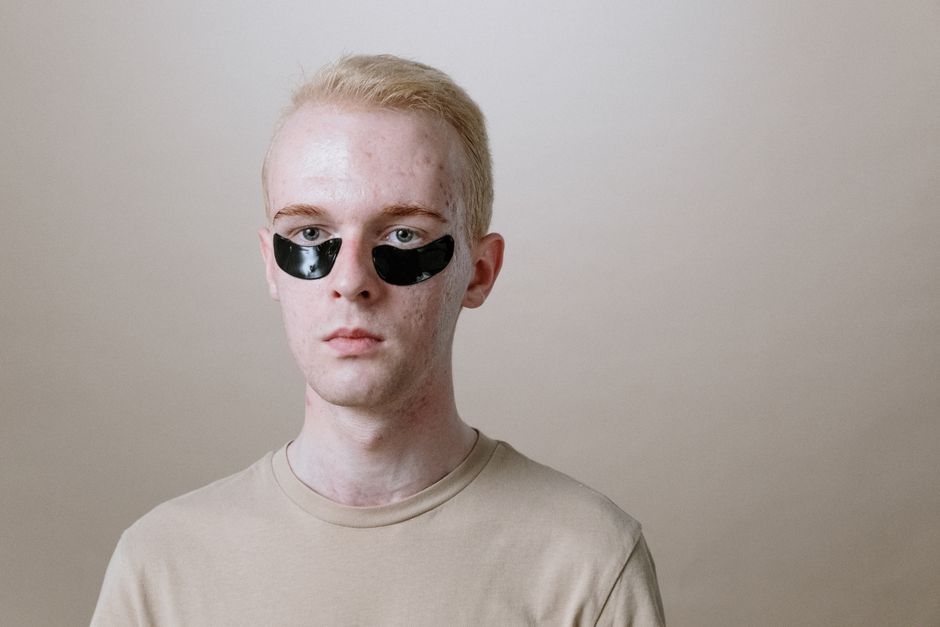
Popping a pimple can push bacteria and inflammation deeper into the skin, which raises the risk of infection and makes scarring more likely. It can also turn a spot that would have healed in a few days into one that lasts for weeks or leaves a permanent mark. The squeeze feels like it is helping, but the pressure usually drives the problem inward rather than out.
Why Popping Pimples Is Bad: Scars, Infection, and More
A pimple forms when a hair follicle gets blocked by oil and dead skin cells. That blockage traps Cutibacterium acnes, a bacterium that normally lives on everyone’s skin. The immune system responds by sending blood and inflammatory cells to the area, which is what creates the redness, swelling, and tenderness you feel.
When you squeeze, you apply pressure to a closed system. Some of the contents may come out through the surface. But a good amount gets forced sideways and downward into surrounding tissue. This is the core reason popping is harmful.
Three things happen as a result:
- Inflammation spreads. The follicle wall can rupture under pressure, spilling bacteria, oil, and inflammatory material into the dermis — the living layer of skin beneath the surface.
- Infection risk rises. Your hands and fingernails carry bacteria. A fingernail can also create small breaks in the skin that give those bacteria an entry point.
- Scar tissue forms. When the dermis is damaged, the body repairs it with collagen. Too little collagen leaves a depressed scar. Too much leaves a raised one.
The follicle wall can rupture on its own without any squeezing. But squeezing makes rupture more likely and pushes the spill deeper. That is the difference between a pimple that resolves and one that leaves a mark.
What Actually Causes Acne Scars?
Scars come from damage to the dermis, not from the pimple sitting on the surface. As long as inflammation stays in the upper layer of skin, the spot can heal without a lasting mark. Once the dermis is involved, the body has to rebuild tissue, and that rebuilding does not always match the original skin.
There are two main scar types:
- Atrophic scars sit below the skin surface. They form when not enough collagen is produced during healing. Ice pick, boxcar, and rolling scars all fall into this group.
- Hypertrophic scars and keloids rise above the surface. They form when too much collagen is laid down. Keloids can grow beyond the original spot.
Another lasting mark is post-inflammatory hyperpigmentation. This is darkening of the skin after inflammation, not a true scar. It happens because melanin-producing cells respond to inflammation by making extra pigment. It is more common in people with darker skin tones. It often fades over months, though it can take a long time, and in some people it does not fully clear.
Here is a point many people miss: the depth of inflammation matters more than the size of the pimple. A small pimple that is deep and inflamed can scar worse than a larger surface whitehead that never involves the dermis. That is why picking at “small” bumps is not automatically safer.
How Does Popping a Pimple Lead to Infection?
Your skin is a barrier. A pimple is already a weak point in that barrier because the follicle wall is stretched and inflamed. Squeezing can break that wall and create a direct path from the outside environment into deeper tissue.
Fingers and nails carry a wide range of bacteria, including Staphylococcus aureus. When you press on a pimple, you can introduce these bacteria into a space that is already inflamed and less able to defend itself. The result can be a larger, more painful, and more persistent lesion than the original pimple.
Signs that a pimple has become infected include:
- Increasing pain, heat, or swelling
- Spreading redness around the spot
- Pus that is thicker, yellow-green, or foul-smelling
- A fever or feeling unwell
If any of these appear, especially spreading redness or fever, it is a reason to seek medical care rather than continue home treatment. In rare cases, infections in the facial area can spread, and the face has a rich blood supply that can carry infection to other areas.
Is the “Danger Triangle” Warning Real?
Yes, and it is one of the few viral skin warnings that holds up. The area from the corners of your mouth to the bridge of your nose is sometimes called the danger triangle. Blood from this region drains through veins that connect to the cavernous sinus, a network of veins at the base of the brain.
This means an infection in that area has a pathway to spread toward the brain. The condition is uncommon, but it is serious when it happens. It is a key reason dermatologists advise against squeezing pimples in the center of the face.
Squeezing a pimple in this zone does not mean an infection will reach the brain. Most of the time it will not. But the risk is not zero, and it is higher than for pimples elsewhere on the body. Given that a pimple will usually resolve on its own, that risk is not worth taking.
Does Popping a Pimple Make It Heal Faster?
No. Popping does not speed healing, and it usually slows it down. The squeeze may release some contents, but it also increases inflammation and tissue damage. The spot often becomes redder, larger, and more tender afterward.
A pimple that is left alone typically follows a predictable course. It comes to a head, drains, and flattens over several days. A squeezed pimple can stay inflamed longer and may leave a mark that lasts far beyond the original spot.
There is one narrow situation where a doctor may drain a lesion. That is a medical procedure done with sterile tools, not something to replicate at home. A healthcare professional can drain a large or deep lesion safely when it is appropriate, which is different from squeezing at a mirror.
What Should You Do Instead of Popping?
Hands off is the single most effective step. Most pimples do not need to be drained. They need time and, in some cases, treatment that reduces inflammation and keeps the follicle from blocking again.
Options that have reasonable evidence behind them include:
- Benzoyl peroxide to reduce bacteria and inflammation.
- Salicylic acid to help unclog pores.
- Topical retinoids, which are among the most studied acne treatments and help prevent new blockages.
- Warm compresses to encourage a pimple to come to a head naturally.
For persistent or severe acne, a dermatologist can offer prescription treatments. These are not cosmetic extras. Moderate to severe acne that is not controlled can lead to scarring, and treating it early reduces that risk.
If you do get a spot and cannot resist, a hydrocolloid patch can cover it and reduce the urge to pick. It also keeps hands and bacteria away from the area. It will not “suck out” a pimple the way some marketing claims suggest, but it can protect the spot while it heals.
When to See a Doctor
Most pimples do not need medical attention. Some situations do.
- Spreading redness, warmth, or swelling around a pimple
- Fever or chills along with a skin lesion
- A pimple that keeps growing or becomes very painful
- Acne that is leaving scars or dark marks
- Acne that is not improving with over-the-counter products after a reasonable trial
Scarring is often preventable with early treatment. Once a scar forms, treating it is harder and results vary. That is why controlling acne is more effective than trying to fix scars later.
Frequently Asked Questions
Can popping a pimple cause an infection?
Yes. Squeezing can push bacteria deeper into the skin and break the follicle wall, which raises the risk of a larger, infected lesion. Your hands and nails also carry bacteria that can enter through the break.
Will one popped pimple always leave a scar?
No. A single popped pimple does not always scar, but the risk goes up with deeper inflammation and more tissue damage. Repeated picking in the same area is more likely to leave a lasting mark.
How long does a popped pimple take to heal?
It varies. A pimple left alone often flattens within several days, while a squeezed one can stay inflamed longer and may leave redness or a mark that lasts weeks to months. Dark marks from inflammation can take even longer to fade.
Is it ever safe to pop a pimple?
In general, no — home squeezing is not recommended by dermatologists. A doctor may drain a deep or large lesion using sterile tools, but that is a medical procedure, not something to do at home.
