
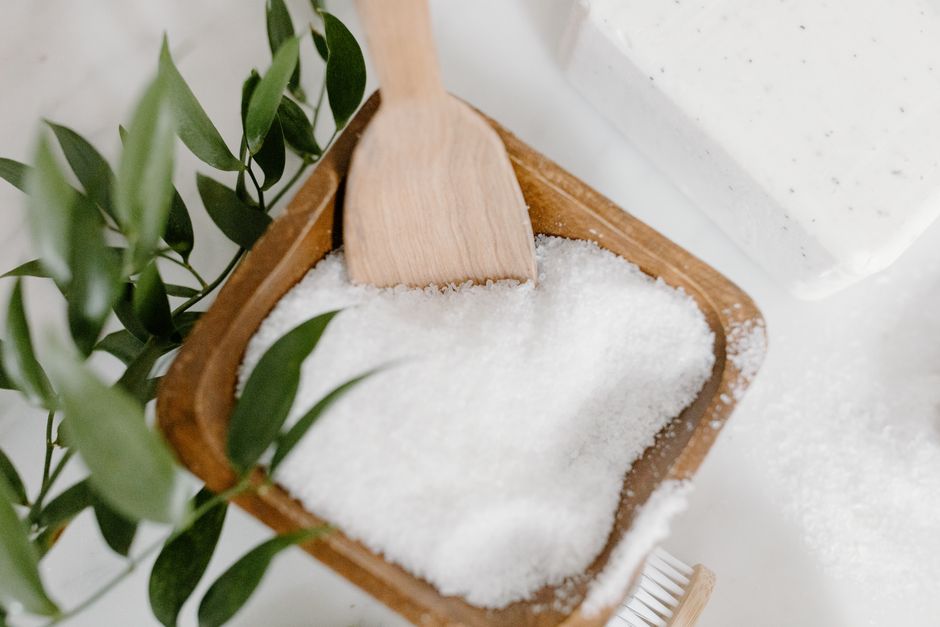
Epsom salt does not pull an infection out of your body. That idea comes from a misunderstanding of how the mineral works. Magnesium sulfate — the chemical name for Epsom salt — can ease swelling and soreness in tissue near the skin’s surface, but it has no ability to draw bacteria, viruses, or pus out of a wound or an infected area. No clinical evidence supports the idea that soaking in Epsom salt treats an infection.
What Is Epsom Salt and What Does It Actually Do?
Epsom salt is magnesium sulfate, a naturally occurring mineral compound. It was named after Epsom, England, where it was first found in mineral springs centuries ago. It is not table salt, and it is not a drug or an antibiotic.
When you dissolve it in warm water and soak, two things happen. The warmth increases blood flow to the area, which can feel soothing. The magnesium sulfate in the water can also draw fluid out of swollen tissue through a process called osmosis. Osmosis is the movement of water across a membrane from an area of lower mineral concentration to higher. When the water around your skin has a high concentration of dissolved minerals, some fluid from swollen tissue moves toward it.
That fluid movement is real. It is also limited to the outer layers of skin and the tissue just beneath it. It does not reach deep into a wound, and it does not distinguish between harmless fluid and infectious material.
Why the “Pulling Out Infection” Idea Spreads
The myth likely persists because soaking a sore, swollen area often does feel better. Reduced swelling can ease pressure and pain. That relief gets misread as the infection being drawn out.
The warm water itself deserves most of the credit for the comfort. Warmth relaxes tissue and improves circulation. You would get similar relief from a plain warm water soak. The magnesium sulfate adds a modest osmotic effect on surface swelling, not an antimicrobial one.
Does Epsom Salt Kill Bacteria or Viruses?
No. Magnesium sulfate is not an antiseptic, antibiotic, or antiviral agent. It does not kill bacteria, and it does not neutralize viruses.
This matters because an infection is caused by a living organism — usually bacteria, sometimes a virus or fungus — multiplying inside tissue. To treat it, you need something that stops or kills that organism, or your immune system needs to clear it on its own. A mineral soak does neither.
Some people point out that high concentrations of salt can draw water out of bacterial cells and dehydrate them. That is true in a laboratory dish. It is not what happens when you soak a body part in a tub of Epsom salt water. The concentration is far too low, and the bacteria causing a deeper infection are not sitting on the surface where the water can reach them.
There is a real distinction here worth understanding. Saline — a sterile saltwater solution — is used in medicine for wound cleaning and irrigation. That is a mechanical flush to remove debris, not a treatment that kills infection. Epsom salt soaks are not the same thing, and they are not sterile.
Can Epsom Salt Help With Swelling and Soreness?
Epsom salt soaks can ease swelling and soreness in some situations. The evidence for this is mostly about comfort, not about curing anything.
A warm soak may help with:
- Minor muscle aches after activity
- Swelling and tenderness around a sprain or strain
- General relaxation and stress relief
- Soothing irritated skin on the surface
Notice that none of these are infections. The benefit, where it exists, comes from warmth and the mild osmotic effect on surface tissue. If the swelling is caused by an infection, the soak may reduce surface puffiness without touching the underlying problem — which can be dangerous if it masks a worsening condition.
One clarification worth making: the popular claim that Epsom salt “replenishes your magnesium” through the skin is not well supported. The skin is an effective barrier, and the amount of magnesium that crosses it during a soak is generally considered minimal. If you have a magnesium deficiency, a soak is not a reliable way to correct it.




When Is an Infection Serious Enough to Need Medical Care?
An infection that needs treatment will not respond to soaking. Knowing the warning signs matters more than any home remedy.
Seek medical care if you notice:
- Spreading redness or red streaks moving away from the wound
- Increasing pain, swelling, or warmth over hours or days
- Pus, foul smell, or drainage that will not stop
- A fever, chills, or feeling generally unwell
- Skin that turns dark, blistered, or numb
- Any wound in someone with diabetes, poor circulation, or a weakened immune system
These signs can indicate a bacterial infection that may need antibiotics or other treatment. Delaying care while soaking at home can let an infection worsen. In serious cases, untreated skin and soft tissue infections can spread and become life-threatening.
This is not meant to alarm you. Most minor cuts and scrapes heal on their own with basic cleaning and a bandage. The point is that Epsom salt is not a substitute for medical treatment when an infection is actually present.
What Actually Treats an Infection?
Infections are treated with methods that target the cause. For bacterial infections, that usually means antibiotics prescribed by a clinician. For viral infections, treatment depends on the specific virus — many resolve with rest and supportive care, while others have specific antiviral medications. Fungal infections are treated with antifungal products.
Proper wound care is the first line for preventing infection in a minor injury:
- Wash your hands before touching the wound
- Rinse the wound with clean running water
- Remove dirt or debris gently
- Apply a thin layer of petroleum jelly if the skin is dry
- Cover with a clean bandage and change it regularly
This approach is supported by established wound care guidance. It focuses on keeping the wound clean and protected so your immune system can do its job.
If you want to soak a minor wound for comfort, plain warm water is generally the better choice. It avoids adding anything that could irritate the tissue, and it does not create a false sense that you are treating an infection.
Is Soaking in Epsom Salt Ever Harmful?
For most healthy adults, a short Epsom salt soak is low risk. Problems tend to come from how it is used, not the mineral itself.
Soaking an infected wound can soften the skin around it and make the area more vulnerable. It can also spread bacteria from one part of the body to another if the water or tub is not clean. And it can delay someone from getting care they actually need.
People with certain conditions should be cautious. If you have diabetes, nerve damage, or poor circulation, you may not feel heat or pain normally, which raises the risk of burns or unnoticed worsening. If you have kidney disease, your body may have trouble handling excess magnesium, though absorption through skin is minimal. Anyone with an open wound, a rash, or a skin infection should check with a clinician before soaking.
In short, the soak is not the danger. Mistaking it for infection treatment is.
| What Epsom Salt Can Do | What It Cannot Do |
|---|---|
| Ease surface swelling through osmosis | Kill bacteria, viruses, or fungi |
| Soothe sore muscles with warmth | Draw infection out of a wound |
| Provide relaxation and comfort | Replace antibiotics or medical care |
| Offer mild relief for minor aches | Cure or treat an active infection |
Frequently Asked Questions
Does Epsom salt draw out infection?
No. Epsom salt cannot pull infection out of a wound or body part. It can reduce surface swelling through osmosis, but it does not remove or kill the organisms that cause infection.
Can I use Epsom salt on an infected cut?
It is not a treatment for an infected cut, and soaking may soften the skin and delay proper care. If a cut shows signs of infection like spreading redness, pus, or fever, see a clinician.
What does Epsom salt actually do for the body?
Dissolved in warm water, it can ease surface swelling and provide soothing warmth for sore muscles. The claim that it replenishes magnesium through the skin is not well supported by evidence.
Is Epsom salt the same as an antibiotic?
No. Epsom salt is magnesium sulfate, a mineral compound with no antimicrobial action. Antibiotics are medications that target and kill or stop the growth of bacteria.
