
Cooking is the leading cause of home fires in the United States, and most of those fires start with a moment of inattention. Preventing kitchen fires comes down to a few reliable habits: stay in the kitchen while food is cooking, keep anything flammable away from the stovetop, and know how to smother a small pan fire by sliding a lid over it and turning off the heat. These steps work because they remove heat, fuel, or oxygen — the three things every fire needs.
Most kitchen fires are preventable, and the fixes are simple. The problem is that they have to become automatic. A fire can go from a small flame to out of control in under a minute, which leaves no time to look up what to do. The goal of this guide is to help you build the habits before you ever need them.
What Are the Most Common Causes of Kitchen Fires?
Unattended cooking is the single biggest cause of kitchen fires, and it accounts for more home cooking fires than every other cause combined. The pattern is consistent: someone steps away to answer a phone, check a message, or let in a pet, and food overheats or grease ignites.
Grease is the second major factor. Cooking oil can reach its ignition point faster than many people expect, especially in a shallow pan over high heat. Once oil starts smoking heavily, it is close to catching fire. A pan that flares up when food is added is a warning sign that the heat is too high.
Other common causes include:
- Flammable items left on or near the stovetop — dish towels, oven mitts, paper towels, wooden spoons, and food packaging
- Overloaded electrical outlets or damaged appliance cords
- Built-up grease in ovens, range hoods, and vent filters that ignites during normal use
- Toasters and other small appliances left running or placed near curtains and cabinets
One detail that surprises many people: the range hood and the filter above it collect grease over time. That residue is fuel. If you have never cleaned the filter, it is worth checking — a greasy filter can catch fire from a flare-up on the stove below it.
What Should You Do the Moment a Pan Catches Fire?
If a small fire starts in a pan, the correct response is to turn off the heat and smother the flames with a metal lid. Slide the lid on from the side rather than dropping it straight down, then leave it in place until the pan is completely cool. Cutting off oxygen is what puts the fire out.
Never move a burning pan. Carrying it can splash burning oil onto your skin, your clothes, or the floor, and it spreads the fire instead of containing it. Never throw water on a grease fire — water sinks, flashes to steam, and throws burning oil outward. This is one of the most dangerous mistakes people make, and it turns a small pan fire into a serious burn injury and a spreading fire.
For an oven fire, turn off the heat and keep the door closed. The fire usually goes out on its own once the oxygen is used up. For a microwave fire, keep the door shut and unplug the unit if you can do so safely.
If the fire is spreading, if flames reach the cabinets or ceiling, or if you cannot smother it quickly, get everyone out and call 911. A kitchen fire extinguisher rated for grease fires — a Class K extinguisher — is designed for this purpose. Only use one if you already know how to operate it and the fire is small. If there is any doubt, leave.
How Do You Prevent Kitchen Fires Before They Start?
Prevention rests on three habits: never leave cooking unattended, keep the cooking area clear, and keep the equipment clean. Everything else supports those three.
Stay present while cooking
If you must leave the kitchen, turn off the burner first. This matters most with frying, which reaches high heat quickly. Simmering and baking are more forgiving, but any food left on a hot burner can eventually ignite or scorch. Set a timer as a backup, but do not treat it as a substitute for staying nearby.
Keep the stovetop clear
Clear the area around the burners before you turn anything on. That means no towels, no oven mitts, no wooden utensils, and no food wrappers resting on the stove. Keep curtains and loose sleeves away from the flames. If you wear long sleeves while cooking, roll them up.
Clean regularly
Wipe up grease splatters and clean the range hood filter on a regular schedule. Grease that builds up on the stove, the hood, and the surrounding surfaces is fuel waiting for a spark. Ovens with heavy baked-on grease can flare during self-cleaning cycles, so clean before that buildup gets heavy.
Cook with the right heat
Heat oil gradually rather than blasting it on high. If oil starts smoking, turn the heat down or remove the pan from the burner and let it cool. Smoking oil is a warning, not a normal cooking state. When adding food to hot oil, add it gently and in small amounts to avoid a sudden flare.





Which Safety Devices Actually Help?
A working smoke alarm and a kitchen-rated fire extinguisher are the two devices with clear value. A smoke alarm gives you early warning, and it should be tested regularly and replaced according to the manufacturer’s guidance. Because kitchen smoke can trigger nuisance alarms, some homes use a photoelectric alarm near the kitchen, which tends to be less prone to false alarms from cooking than other types.
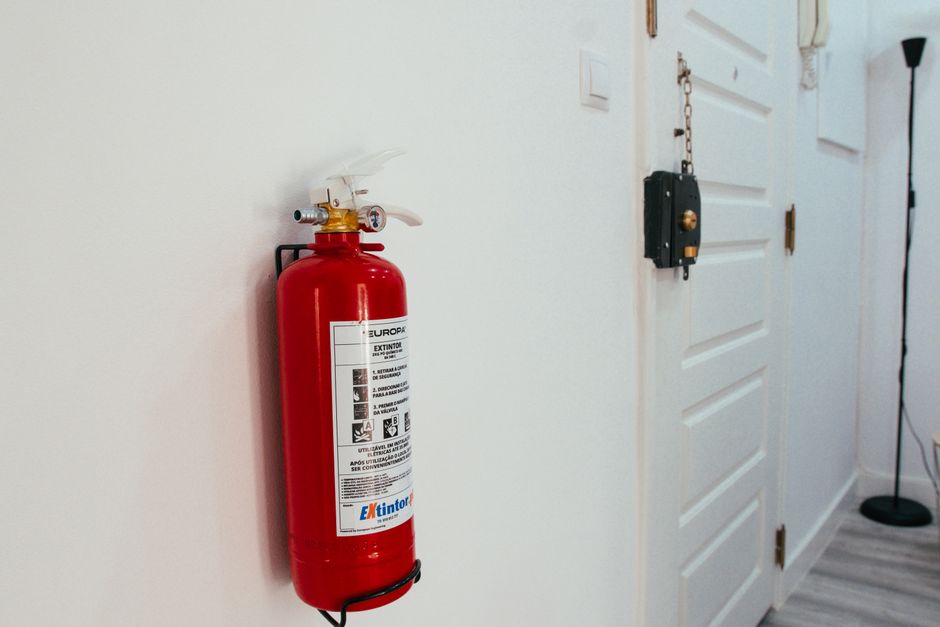
A Class K extinguisher is made for cooking fires involving oils and fats. Standard multipurpose extinguishers can be used on some kitchen fires, but check the label and know which type you have before you need it. Store it where you can reach it without crossing the stove.
A fire blanket is a low-cost option for smothering small fires and is simple to use. A lid that fits your pans is just as useful and costs nothing extra — it is the first tool to reach for on a pan fire.
What Common Mistakes Make Kitchen Fires Worse?
Panicking and doing the wrong thing turns small fires into dangerous ones. The most damaging mistake is throwing water on a grease fire. Others include swatting at flames with a towel, which can spread burning material, and trying to carry a burning pan outside.
Another common error is fighting a fire that is already too large. If flames are climbing, if the room is filling with smoke, or if the fire has spread beyond the pan, the right move is to evacuate and call 911. Trying to be a hero with a small extinguisher on a growing fire puts you at risk for no benefit.
People also underestimate how fast smoke builds up. Even a small fire produces thick smoke that can make it hard to see and breathe within seconds. Get low, get out, and stay out.
How To Prevent Kitchen Fires Key Safety Steps for Every Household
Turn these into habits and they become automatic:
- Never leave frying or high-heat cooking unattended
- Keep a lid within reach whenever you cook with oil
- Clear towels, mitts, and packaging away from the stove before cooking
- Clean grease from the stove, oven, and range hood regularly
- Test smoke alarms on a set schedule and replace them when they age out
- Keep a Class K extinguisher in the kitchen and learn how to use it before you need it
- Teach everyone in the home, including older children, to smother a pan fire and never use water
The habits that prevent kitchen fires are unglamorous. They are the boring, repeatable things — staying put, keeping the stove clear, cleaning up. That is exactly why they work.
Frequently Asked Questions
What should you never put on a grease fire?
Never put water on a grease fire, because it can cause the burning oil to explode outward. Instead, turn off the heat and smother the flames with a metal lid.
Can a kitchen fire go out on its own?
A small oven or microwave fire often goes out on its own once you turn off the heat and keep the door closed. A stovetop grease fire should be smothered immediately rather than left to burn.
How often should you clean your range hood filter?
Many manufacturers recommend cleaning the filter regularly, often monthly for heavy cooking, but follow your appliance’s manual for the specific schedule. Grease buildup in the filter is a fire risk, so clean it more often if it looks greasy.
Should you keep a fire extinguisher in the kitchen?
Yes, a Class K extinguisher is designed for cooking fires involving oils and fats and is a reasonable addition to a kitchen. Only use it on a small fire and only if you already know how to operate it.
