
Preventing COVID-19 today is not about any single magic bullet. It is about stacking practical layers of protection that work together. The most reliable tools remain staying up to date on vaccines, wearing a high-quality mask in crowded indoor spaces, improving ventilation, and testing when symptoms appear. None of these steps is perfect on its own, but combining them significantly lowers your risk of infection and severe illness.
Do COVID Vaccines Still Prevent Infection?
Yes, but their main job has shifted. Early in the pandemic, the original vaccines were highly effective at preventing any infection at all. Over time, the virus changed, and new variants learned to partially dodge the immune response.
Today, the vaccines are best at preventing what matters most: severe disease, hospitalization, and death. They also reduce the chance of infection, though less consistently than before. Research consistently shows that vaccinated people who do get infected tend to have shorter illnesses and lower viral loads than unvaccinated people.
The protection wanes over time. That is why updated boosters exist. The current formulations are designed to match the variants circulating now. Getting the updated shot restores your antibody levels and broadens your immune memory.
How Effective Are Masks Against Current Variants?
Masks work by blocking respiratory droplets and smaller aerosol particles that carry the virus. The key word here is quality. A well-fitted N95 or KN95 respirator filters out the vast majority of particles. Cloth masks offer less protection, and bandanas or neck gaiters offer very little.
Fit matters as much as the material. A mask that gaps at the nose or cheeks lets unfiltered air leak in and out. The best mask is one that seals tightly against your face and feels comfortable enough to wear for the whole time you are indoors.
Masks are most valuable in crowded indoor spaces with poor ventilation. Outdoors, the risk is much lower because fresh air disperses the virus quickly. If you are at high risk for severe illness, wearing a respirator indoors in public places remains a sensible precaution.
Does Ventilation and Air Filtration Reduce Risk?
Yes, and this is one of the most underappreciated prevention tools. COVID-19 spreads through the air. When an infected person breathes, talks, or coughs, they release virus-laden particles that can hang in the air for minutes to hours, especially indoors.
Opening windows and doors creates cross-ventilation that pushes stale air out. Portable HEPA air purifiers remove particles from the room air. Even a simple box fan in an open window can make a meaningful difference in a small space.
Think of it this way: every time you double the fresh air exchange in a room, you roughly halve the concentration of any virus in the air. This is not a substitute for masks or vaccines, but it is a powerful addition when you host guests or gather indoors.





How To Prevent Getting Covid Vaccines Masks More
The full prevention picture includes tools that often get overlooked. Testing is one of them. A rapid antigen test taken right before a gathering tells you if you are actively contagious. If you have symptoms, test immediately. If you were exposed, wait a day or two before testing, because the virus takes time to build up to detectable levels.
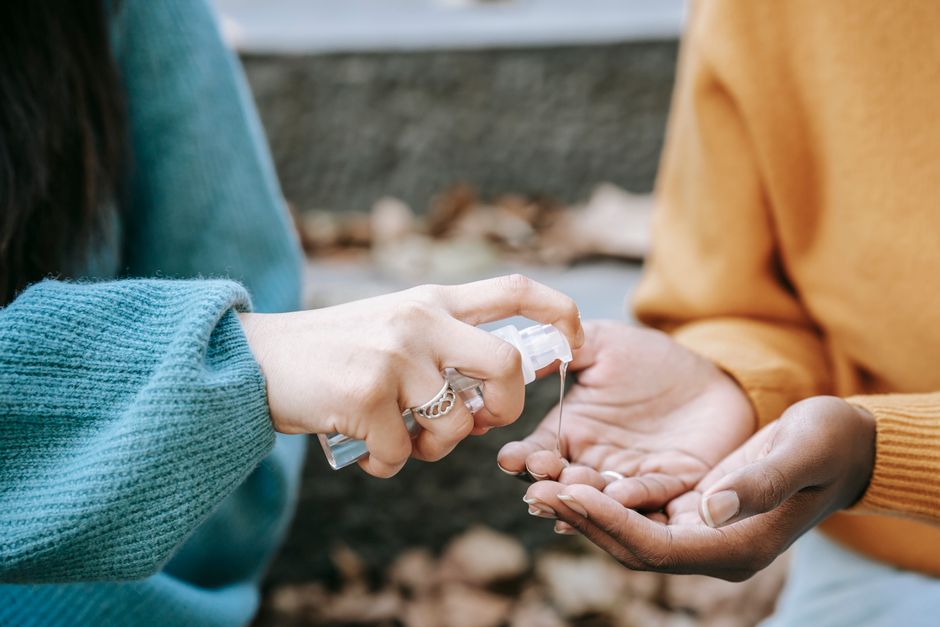
Hand hygiene plays a smaller role than people think. COVID-19 is primarily airborne, not spread by touching surfaces. Washing your hands is still good practice for colds and flu, but it will not meaningfully prevent COVID-19.
Staying home when sick is obvious but often ignored. If you feel unwell, you may be contagious even before you test positive. Do not attend work, school, or social events when symptomatic. This single behavior prevents more transmission than any other individual action.
Nasal rinses and mouthwashes have been studied as potential prevention tools. Some research suggests certain antiseptic mouthwashes can reduce viral load in the mouth temporarily. However, no clinical evidence currently confirms that rinsing prevents infection. Do not rely on these products for protection.
Who Needs Extra Caution Right Now?
Age remains the strongest risk factor for severe COVID-19. People over 65 face substantially higher risks of hospitalization and death compared to younger adults. Underlying conditions also raise risk, including heart disease, diabetes, chronic lung disease, and weakened immune systems.
Pregnancy is another high-risk category. Pregnant women who get COVID-19 are more likely to need intensive care than non-pregnant women of the same age. Vaccination is strongly recommended during pregnancy because it protects both the mother and the newborn, who receives antibodies through the placenta.
If you fall into a high-risk group, do not wait for cases to spike in your community before acting. Check local wastewater data or health department dashboards if available. When transmission is rising, increase your precautions even if you feel healthy.
Is There Anything That Does Not Work?
Several viral myths refuse to die, and it is worth addressing them directly. Vitamin D supplements do not prevent COVID-19. While deficiency is linked to worse outcomes, no study has shown that taking supplements prevents infection in people who are already sufficient.
Zinc and vitamin C have not been proven to prevent COVID-19 in clinical trials. They may slightly shorten colds, but they do not stop the coronavirus.
Ivermectin and hydroxychloroquine have been extensively studied. Large, well-designed trials found no benefit for preventing or treating COVID-19. Taking these drugs without a prescription is dangerous and can cause serious side effects.
Hydrogen peroxide nebulizers and ultraviolet light wands sold for personal use are not proven safe or effective. Some are actively harmful. Stick with methods that have real evidence behind them.
What Is the Best Strategy for Everyday Life?
You do not need to do everything all the time. The smart approach is matching your precautions to your situation. For most healthy adults, this means staying current on vaccines, carrying a mask for crowded indoor spaces, and testing before visiting vulnerable people.
If you live with or regularly visit someone at high risk, raise your baseline. Wear a respirator in public indoor places. Improve home ventilation. Test more frequently. These actions protect the people around you as much as they protect you.
Seasonality matters too. COVID-19 surges tend to peak in winter when people gather indoors. Expect higher risk from November through February and adjust accordingly.
The virus is not gone, and it will not be gone soon. But the tools to manage it are real, proven, and available. The people who do best are the ones who use them consistently rather than episodically.
Frequently Asked Questions
Can I get COVID-19 even if I am fully vaccinated?
Yes, this is called a breakthrough infection. Vaccines significantly reduce your risk of severe illness and death, but no vaccine provides 100 percent protection against infection.
What is the best type of mask to wear?
An N95 or KN95 respirator that fits snugly against your face offers the best protection. Cloth masks are less effective, especially against newer variants.
How long after exposure should I test for COVID-19?
Test at least 2 to 3 days after exposure, because the virus needs time to reach detectable levels. If you test negative but have symptoms, test again 24 to 48 hours later.
Do I still need a booster if I already had COVID-19?
Yes, vaccination after infection provides broader and more durable protection than infection alone. Waiting about 3 months after recovery is reasonable, but talk to your doctor about timing.
