
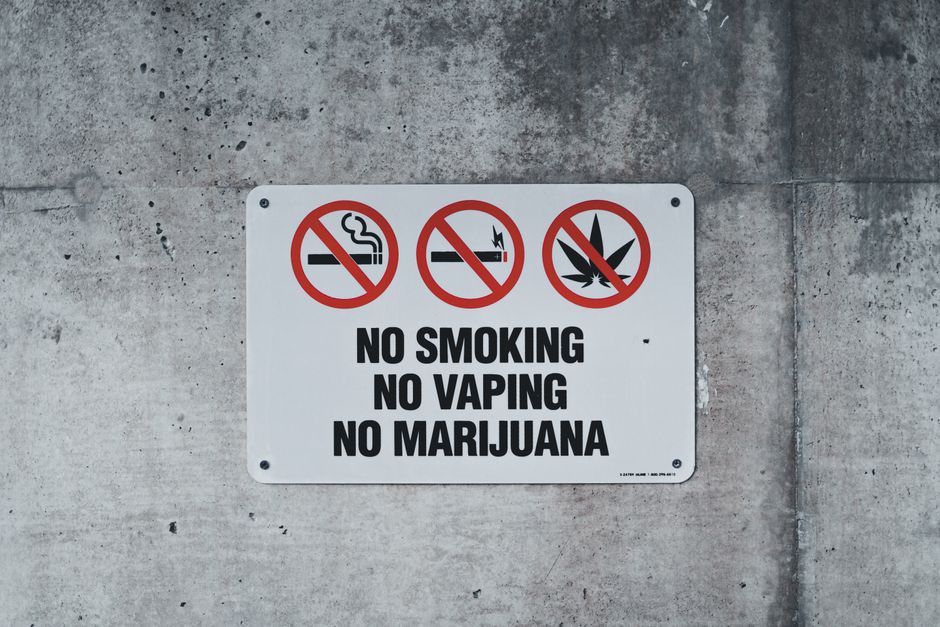
CBD vapes deliver cannabidiol directly into your lungs, where it enters your bloodstream within minutes. Users typically feel the effects faster than with oils or edibles, but the scientific evidence on what CBD actually does is still developing. The safety picture is clearer: vaping any substance carries real risks to your lungs, and CBD vape products are not regulated as strictly as most medications.
What Happens When You Vape CBD?
When you inhale CBD vapor, the compound moves from your lungs into your bloodstream almost immediately. This is why vaping produces faster effects than swallowing an oil or eating a gummy, which must pass through your digestive system first.
CBD interacts with your body’s endocannabinoid system, a network of receptors involved in pain sensation, mood, appetite, and immune response. Unlike THC, the psychoactive compound in cannabis, CBD does not produce a high. Most people describe the feeling as calm or relaxed rather than intoxicated.
The effects you feel depend heavily on the product. Some CBD vapes contain only CBD. Others contain additional compounds like THC, terpenes, or synthetic additives. These extra ingredients change the experience and the risks.
What Does A Cbd Vape Do Effects And Safety Risks: The Evidence So Far
Research on inhaled CBD is limited compared to oral forms. Most clinical studies use oral CBD, which has shown promise for certain seizure disorders and some anxiety conditions. Whether inhaled CBD produces the same benefits is less clear.
Some small studies suggest vaping CBD may help with acute anxiety or pain. The evidence is not strong enough to make firm claims. No large clinical trials have confirmed that vaping CBD treats any specific condition.
What is well established is the risk profile. Vaping any substance introduces foreign particles and chemicals into your lungs. The lungs are designed to exchange oxygen and carbon dioxide, not to absorb plant extracts and flavoring agents.
How Fast Do Effects Start and How Long Do They Last?
With vaping, you typically feel effects within 5 to 15 minutes. The peak effect usually comes within 30 minutes. The duration is shorter than other methods — most people report effects lasting 1 to 3 hours.
This short duration matters for practical reasons. If someone vapes CBD for anxiety, they may need frequent doses throughout the day. That means more repeated exposure to vapor in the lungs, which increases cumulative risk.
Your body processes inhaled CBD quickly. The exact duration varies based on the dose, the product’s potency, and individual metabolism. There is no standard dosing guideline for CBD vapes because no regulatory body has established one.





What Are the Known Safety Risks of Vaping CBD?
The most serious concern is lung injury. In 2019 and 2020, an outbreak of lung damage linked to vaping products led to thousands of hospitalizations and dozens of deaths in the United States. Investigators identified vitamin E acetate, an additive used in some THC vape products, as a likely culprit. CBD vapes were not the primary cause of that outbreak, but the incident highlighted how dangerous unregulated inhalation products can be.
Beyond that specific outbreak, regular vaping exposes lung tissue to compounds that were never intended to be inhaled. Some studies have found that vaping liquids contain heavy metals, pesticides, and other contaminants. Flavoring agents, which are safe in food, may not be safe when heated and inhaled.
There is also the question of what is actually in your cartridge. A study of CBD vape products found that many contained less CBD than the label claimed. Some contained THC, which users may not have wanted or expected. Others contained synthetic cannabinoids, which carry their own serious risks.
No long-term studies have tracked people who vape CBD for years. This means the chronic effects on lung health are unknown. Respiratory specialists generally advise against inhaling any substance that is not a prescribed medication.
CBD Vaping Versus Other Delivery Methods
If you are considering CBD, the delivery method matters more than most product marketing suggests.
- Vaping gives the fastest onset but carries the highest unknown risk for your lungs.
- Oils and tinctures taken under the tongue are absorbed through mucous membranes. Effects start within 15 to 30 minutes and last several hours.
- Edibles and capsules pass through digestion. Onset takes 30 to 90 minutes, but effects last longer — often 4 to 6 hours.
- Topical creams do not enter the bloodstream in meaningful amounts. They are used for localized discomfort.
For people seeking general wellness effects, oral forms offer a better balance of evidence and safety. The lungs simply are not a good delivery route for a substance with unproven medical benefits.
If your goal is managing a specific condition like chronic pain or severe anxiety, talk to a doctor. Some prescription CBD-based medications exist for certain seizure disorders, and clinicians can guide you on evidence-based options.
What About the Chemicals in CBD Vape Juice?
CBD itself is one ingredient. The carrier liquid matters just as much. Most vape liquids contain propylene glycol and vegetable glycerin, which create the vapor when heated. When these compounds are heated to high temperatures, they can break down into byproducts like formaldehyde, which is a known irritant and carcinogen.
Flavorings add another layer of concern. Diacetyl, a flavoring chemical once used in popcorn butter, was linked to a serious lung condition called bronchiolitis obliterans when inhaled. Many vape companies removed diacetyl, but other flavoring compounds have not been studied for inhalation safety.
Terpenes, the aromatic compounds in cannabis, are often added to CBD vapes for flavor. Heating terpenes can produce chemicals that irritate the airways. The concentrations used in vape products are not regulated or tested for inhalation safety.
Who Should Avoid CBD Vapes Entirely?
Pregnant and breastfeeding women should not use any vaping product. No clinical guidelines exist for CBD use in these populations, and the developing lungs of a fetus or infant are especially vulnerable to inhaled substances.
People with asthma, COPD, or other chronic lung conditions should avoid vaping CBD. Inhaling vapor can trigger bronchospasm and worsen existing respiratory disease.
Teens and young adults should avoid CBD vapes. The brain continues developing into the mid-20s, and the effects of CBD on the developing brain are not well studied. Additionally, young people who vape CBD are at higher risk of transitioning to THC vapes, which carry their own cognitive risks.
Anyone taking prescription medications should check with a pharmacist. CBD can interact with certain drugs, particularly those processed by the liver. It can increase or decrease how much of a medication stays in your bloodstream.
How to Reduce Risk If You Choose to Vape CBD
If you decide to vape CBD despite the risks, you can take steps to reduce harm. Buy products from companies that provide third-party lab testing. These reports should confirm the CBD content and screen for heavy metals, pesticides, and residual solvents.
Check the lab report for THC content. Some people experience legal or employment consequences from unintended THC exposure. Full-spectrum products contain trace amounts of THC. Broad-spectrum products are processed to remove THC. Isolates contain only CBD.
Start with the lowest dose and use it infrequently. No established safe frequency exists for vaping CBD. Less frequent use means less cumulative lung exposure.
Pay attention to how you feel. If vaping causes coughing, chest tightness, shortness of breath, or wheezing, stop using the product. These symptoms indicate your lungs are reacting to something they do not want.
Is CBD Vaping Legal?
The 2018 Farm Bill made hemp-derived CBD with less than 0.3 percent THC federally legal in the United States. However, individual state laws vary. Some states regulate CBD products more strictly than others.
This legal status does not mean the products are safe or effective. The FDA has not approved any over-the-counter CBD product. The agency has issued warning letters to companies making unproven health claims about CBD products, including vapes.
The legal landscape continues to change. Regulations that apply today may not apply next year. Checking your state’s current laws is essential before purchasing.
Frequently Asked Questions
Does vaping CBD make you high?
No. CBD is non-psychoactive, meaning it does not produce the high associated with THC. However, some CBD vape products contain more THC than their labels state, which could produce a high.
Can vaping CBD damage your lungs?
Yes, vaping any substance poses risks to lung health. Studies have found contaminants in CBD vape products, and heating carrier liquids can produce harmful byproducts.
How long does a CBD vape high last?
CBD does not produce a high. The relaxing effects from vaping typically last 1 to 3 hours, which is shorter than edibles or oils.
Is CBD vape stronger than gummies?
Vaping delivers CBD to your bloodstream faster, so the effects feel stronger and come on more quickly. Gummies take longer to work but provide effects that last longer.
