
Osteoporosis is not a natural part of aging that you have to accept. It is a condition where bones become weak and break easily, but your body is constantly building new bone and breaking down old bone. You can influence this process with your daily habits. The most effective way to prevent osteoporosis is to maintain a consistent routine that includes weight-bearing exercise, adequate protein, and a steady supply of calcium and vitamin D over many years, not just occasionally.
How Do You Prevent Osteoporosis Habits That Build Bone?
Bone is living tissue that responds to stress. When you challenge your bones with physical activity, they adapt and get stronger, much like muscles do. The habits that build bone are the ones you maintain for decades, not just for a few months.
The core of prevention rests on three pillars: mechanical loading through exercise, adequate nutrition, and avoiding things that break bone down. You do not need a perfect routine. You need a consistent one. Small daily actions compound over time to create a significant difference in your bone density by the time you reach your 60s and 70s.
Prevention is most effective when you start early, but it is never too late to begin. Even people in their 70s can slow bone loss and reduce fracture risk by adopting the right habits today.
Why Does Weight-Bearing Exercise Matter?
Your bones respond to physical force. When you walk, run, or lift weights, the pull of your muscles and the impact of your body weight signal your bones to build more tissue. This is called mechanical loading.
Activities that involve impact or resistance are the most effective for bone health. Walking is good for general health, but it is not enough to stimulate significant bone growth. You need exercises that put more force through your bones.
- Weight lifting — Squats, deadlifts, and presses force your spine and hips to bear weight.
- Jumping — Activities like jumping jacks, skipping rope, or volleyball create impact forces that stimulate bone.
- Stair climbing — This loads the hips and spine more than walking on flat ground.
- Dancing — The varied movements and impact provide good stimulation for the lower body.
The key is progressive overload. You need to gradually increase the weight or difficulty over time. If you always lift the same amount, your bones adapt and stop improving. Challenge yourself safely and consistently.
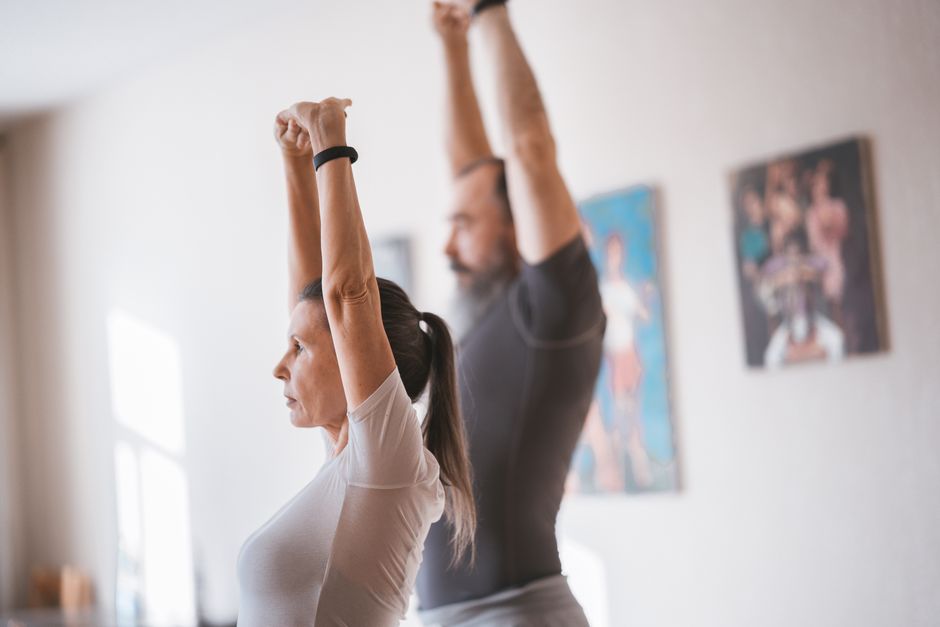
Balance training also matters, but for a different reason. Yoga, tai chi, and simple balance exercises reduce your risk of falling. Preventing falls is just as important as building bone density because most fractures happen after a fall.
What Nutrients Actually Build Bone?
Calcium and vitamin D get the most attention, and for good reason. Calcium is the raw material your bones are made of. Vitamin D is required for your body to absorb that calcium from your food into your bloodstream.
Most adults need about 1,000 mg of calcium per day. Women over 50 and men over 70 need about 1,200 mg per day. Dairy products, fortified plant milks, leafy greens like kale, and canned fish with bones are reliable sources.
Vitamin D is different. Very few foods contain it naturally. Your skin produces it from sunlight, but many people do not get enough sun exposure, especially during winter months or if you wear sunscreen consistently. Many clinicians recommend a vitamin D supplement, especially for older adults, but the ideal dose varies based on your blood levels. A simple blood test can tell you if you are deficient.
Protein is often overlooked, but it is critical. Bone is about one-third protein by volume. Low protein intake is linked to higher fracture rates, especially in older adults. Aim for a serving of protein at each meal — eggs at breakfast, chicken or beans at lunch, and fish or meat at dinner.
Other nutrients play supporting roles. Magnesium, phosphorus, and vitamin K are all involved in bone structure and function. You generally get enough of these if you eat a varied diet with plenty of whole foods. You do not need expensive supplements for these — food sources work well.




What Habits Damage Bone?
Prevention is not only about what you add. It is also about what you remove. Several common habits actively break down bone tissue.
Smoking is directly toxic to bone. Research consistently shows that smokers have lower bone density and higher fracture risk than nonsmokers. The chemicals in tobacco interfere with the cells that build bone. Quitting at any age helps, but the sooner you stop, the more bone you preserve.
Excess alcohol is another major factor. Heavy drinking interferes with calcium absorption and disrupts the hormones that regulate bone turnover. More than two drinks per day for men or one drink per day for women is associated with measurable bone loss. Binge drinking is particularly harmful.
Extreme dieting damages bone. When you severely restrict calories, your body goes into survival mode and reduces bone building. This is especially dangerous for younger women who develop irregular periods from low body weight. Missing periods means low estrogen, and estrogen is a major protector of bone.
Sedentary behavior is subtle but damaging. Bones need regular stimulation to maintain their density. If you sit for most of the day, your bones receive little mechanical signal to stay strong. Even if you exercise for 30 minutes daily, being sedentary for the other 15 hours reduces the overall benefit.
How Does Age Change the Picture?
Bone density peaks around age 30. After that, you gradually lose more bone than you build. This is a normal part of aging, but the rate of loss is not fixed. Your habits can slow it significantly.
For women, the menopausal transition accelerates bone loss. The drop in estrogen during menopause removes a key protective signal, and bone loss can be rapid for several years. This is why women are at higher risk for osteoporosis than men.
Men lose bone more slowly, but they still lose it. By age 65 or 70, men catch up in fracture risk because they tend to have more falls and other health conditions.
This timeline means your habits matter at every age, but the priority shifts. In your 20s and 30s, focus on building peak bone mass. In your 40s, maintain your routine and address any nutritional gaps. In your 50s and beyond, focus on preserving what you have and preventing falls.
When Should You Get a Bone Density Test?
A bone density test, called a DXA scan, measures the strength of your bones. It is the standard way to diagnose osteoporosis before you break a bone.
The general guidance is that women should be screened starting at age 65. Men should be screened at age 70. If you have risk factors — a family history of osteoporosis, a previous fracture, long-term steroid use, or significant weight loss — you may need screening earlier.
If your test shows low bone density, called osteopenia, it does not mean you will definitely get osteoporosis. It means you are at higher risk, and your habits matter even more. Your doctor may recommend medication depending on your risk level.
Medication is not a failure of prevention. For many people, especially those with existing fractures or very low bone density, medication is the most effective way to prevent a break. Lifestyle habits and medication work together, not as alternatives.
Does Supplementation Actually Work?
Calcium and vitamin D supplements work only if you have a true deficiency. If you already get enough from your diet and sun exposure, taking more does not provide extra benefit and may carry risks.
Some research suggests that very high calcium supplements — above 2,000 mg per day — may be associated with kidney stones or cardiovascular issues. This is why the recommendation is to get calcium from food first and supplement only to fill the gap.
Vitamin D supplementation is more widely supported because deficiency is common. But the evidence for high-dose vitamin D preventing fractures in healthy people is mixed. Some studies show benefit in older adults who are deficient, while others show no effect in people with adequate levels.
Many commercial supplements marketed for bone health contain calcium, vitamin D, magnesium, and vitamin K combined. The evidence for these combination products is limited. No large human trials have confirmed that these blends prevent fractures better than a standard diet plus targeted supplementation for known deficiencies.
The honest position is this: supplements are a tool, not a solution. They work when you have a gap in your nutrition. They do not replace exercise, and they do not undo the damage of smoking or heavy drinking.
What Is the Single Most Important Habit?
If you take only one message from this article, make it this: resistance training that progresses over time is the most reliable non-medication strategy for maintaining bone strength. No pill, powder, or diet alone can match the effect of physically loading your bones.
Start where you are. If you have never lifted weights, begin with bodyweight exercises like squats and push-ups. Work with a trainer or physical therapist if you are unsure about form. Add weight gradually over weeks and months.
If you already have osteoporosis or have had a fracture, check with your doctor before starting a new exercise program. Some movements, like deep forward bends or twisting, can be risky for fragile spines. A physical therapist can design a safe program for your specific situation.
Frequently Asked Questions
How much calcium do I need to prevent osteoporosis?
Most adults need about 1,000 mg per day, increasing to 1,200 mg for women over 50 and men over 70. Food sources are preferred, with supplements used only to fill the gap between your diet and this target.
Can walking prevent osteoporosis?
Walking is good for overall health but is not enough to significantly stimulate bone growth. Weight-bearing exercises with more impact or resistance, like lifting weights or stair climbing, are more effective for building and maintaining bone density.
At what age should I worry about osteoporosis?
Bone loss accelerates after menopause for women and in later decades for men, but prevention starts much earlier. Building strong bone in your 20s and 30s gives you more reserve, while maintaining exercise and nutrition after 50 slows the rate of loss.
Are bone density supplements worth taking?
Supplements work only for correcting specific deficiencies, especially vitamin D. No comprehensive supplement has been proven to prevent fractures in people with adequate nutrition. Exercise and a balanced diet are more effective than any pill.
