
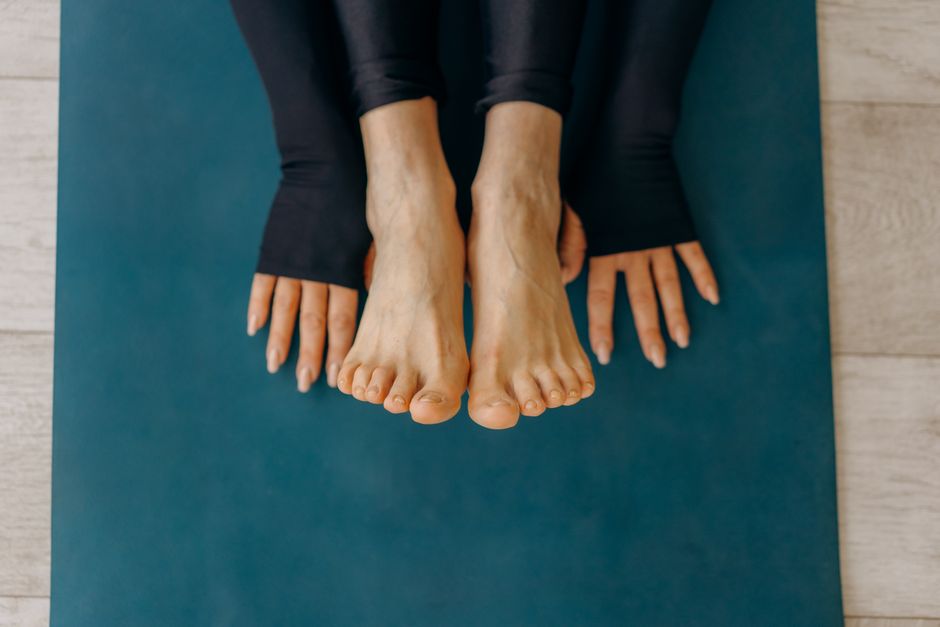
Sweaty feet are a normal cooling response that becomes a problem when it happens constantly, soaks through socks, or leads to odor and skin issues. The most reliable ways to prevent it combine daily foot hygiene, moisture-wicking socks, breathable footwear, and antiperspirant products that contain aluminum-based compounds. For persistent cases, a clinician can recommend stronger treatments, including prescription antiperspirants or other options. What follows is what the evidence actually supports, and where the science is thinner than product marketing suggests.
Why Do Feet Sweat So Much?
Your feet have more sweat glands per square inch than almost any other part of your body. Each foot contains roughly 250,000 sweat glands, and unlike glands elsewhere that respond mainly to heat, the ones on your palms and soles respond heavily to emotion and stress as well.
This is why feet can sweat when you are nervous or simply standing still in a cool room. The glands are wired to your sympathetic nervous system, the branch that controls your fight-or-flight response. Emotional triggers and physical heat both drive them.
Sweat itself has no odor. The smell comes from bacteria on the skin breaking sweat down into compounds that produce that characteristic sharp scent. So the goal is not just less sweat. It is also less bacterial activity on damp skin.
For most people, this is normal physiology. For some, it crosses into a condition called hyperhidrosis, where sweating is excessive and disrupts daily life. Primary focal hyperhidrosis often starts in childhood or adolescence and tends to run in families. If your feet sweat so much that you avoid certain shoes, change socks multiple times a day, or slip on smooth floors, that is worth discussing with a doctor.
How To Prevent Feet From Sweating Proven Methods
The methods with the strongest evidence behind them are antiperspirants containing aluminum salts, moisture management through socks and shoes, and daily hygiene that reduces bacteria. These are not exotic. They are the same principles dermatologists have used for decades.
Aluminum-based antiperspirants are the most studied approach. Aluminum salts work by forming a temporary plug at the sweat duct opening, which physically reduces how much sweat reaches the skin surface. This is a mechanical effect, not a marketing claim. Applying an antiperspirant to dry feet at night, when sweat glands are less active, tends to work better than applying it in the morning. Nighttime application gives the aluminum time to form the plug before you start moving.
Look for products labeled antiperspirant, not just deodorant. Deodorants address odor. Antiperspirants address sweat. Many foot products sold as “foot deodorant” contain no aluminum and will not reduce sweating at all.
Moisture-wicking socks matter more than most people realize. Cotton holds moisture against the skin. Synthetics, wool, and blends designed to move moisture away keep the skin drier, which reduces both discomfort and bacterial growth. Change socks at least once a day, and more often if they become damp.
Rotating shoes gives footwear time to dry completely between wears. Wearing the same pair daily keeps a reservoir of moisture and bacteria in the lining. Alternating two or three pairs is a simple change with real effect.
Breathable materials help. Leather and mesh allow more airflow than tightly sealed synthetic shoes. Going barefoot or wearing sandals when practical gives feet a chance to dry out.
What does not have strong evidence: powders alone, charcoal insoles marketed for sweat control, and most “detox” foot products. Powders can absorb some surface moisture and reduce friction, but they do not reduce how much you sweat. That distinction matters.
Which Antiperspirant Ingredients Actually Work?
Aluminum chloride, aluminum chlorohydrate, and aluminum zirconium compounds are the active ingredients shown to reduce sweating. The concentration determines strength, and products range from over-the-counter to prescription.
Over-the-counter antiperspirants typically contain lower concentrations of aluminum salts and are designed for underarms. They can be used on feet, but a product formulated for feet or a higher-strength option may work better for heavy sweating.
Prescription-strength aluminum chloride products are stronger and are often recommended when over-the-counter options fail. These can irritate skin, especially on broken or freshly shaved skin, so they are usually applied to dry, intact skin at night and washed off in the morning.
One clarification worth making: “clinical strength” on a label is not a regulated term with a fixed meaning. It does not guarantee a specific concentration or effectiveness. Check the ingredient list and the percentage of the aluminum compound rather than trusting the front of the package.




Do Diet and Lifestyle Changes Reduce Foot Sweating?
Diet has a limited and often overstated role here. Cutting back on spicy foods, caffeine, and alcohol may reduce sweating for some people, because these can trigger the sympathetic nervous system. The effect varies a lot between individuals, and the evidence for dietary changes specifically reducing foot sweating is not strong.
Stress management is more relevant than diet for many people, given how strongly emotional triggers drive palmar and plantar sweating. Techniques that reduce sympathetic arousal, such as slow breathing or relaxation training, may help some people. The evidence here is modest and mostly from small studies.
What is well established: keeping feet clean and dry reduces odor regardless of how much you sweat. Wash feet daily with soap and water, dry thoroughly between the toes, and keep toenails trimmed. Damp spaces between toes are where bacterial and fungal problems start.
If you notice persistent itching, peeling, or cracking between the toes, that may be a fungal infection rather than simple sweating. Fungal infections need their own treatment and will not resolve with antiperspirant alone.
When Should You See a Doctor About Sweaty Feet?
See a clinician if sweating is severe enough to interfere with daily activities, if it started suddenly in adulthood, or if it comes with other symptoms like night sweats, weight loss, or fever. Secondary hyperhidrosis, meaning excessive sweating caused by another condition, can be a sign of an underlying issue such as thyroid problems, diabetes, or an infection. That is different from primary hyperhidrosis, which has no underlying cause.
Sudden onset in adulthood is a specific reason to get evaluated. Primary hyperhidrosis usually begins early in life. New, unexplained sweating later in life deserves a medical look.
A doctor may recommend prescription antiperspirants, and in some cases other treatments. Options include iontophoresis, which uses a mild electrical current in water to temporarily reduce sweating, and injections of botulinum toxin, which block the nerve signals that trigger sweat glands. These are used for various forms of focal hyperhidrosis and are typically managed by a dermatologist. Oral medications and, in severe cases, surgical options exist but carry more risk and are reserved for specific situations.
Which treatment fits depends on the person, the severity, and other health factors. This is a conversation to have with a clinician rather than something to decide from a product label.
Common Mistakes That Make Feet Sweat More
Several everyday habits work against you without being obvious.
- Wearing the same shoes every day without letting them dry fully
- Choosing cotton socks for heavy sweating, since cotton traps moisture
- Applying antiperspirant in the morning instead of at night on dry skin
- Using deodorant and expecting it to reduce sweat
- Ignoring a fungal infection and treating only the sweating
- Wearing tight, non-breathable shoes for long stretches
One non-obvious point: washing feet with very hot water can dry the skin and trigger more sweating as the body tries to regulate temperature. Lukewarm water is gentler and just as effective for cleaning.
Another: socks labeled “moisture-wicking” vary widely in quality. A thin synthetic liner sock worn under a thicker sock can move moisture more effectively than a single thick sock alone, a technique some runners and hikers use.
Frequently Asked Questions
Can antiperspirant really stop feet from sweating?
Antiperspirants with aluminum salts reduce sweating by forming a temporary plug in the sweat duct, and this effect is well documented. They reduce sweat rather than eliminate it entirely, and results vary by person and product strength.
What is the best time to apply antiperspirant to feet?
Apply it at night to clean, completely dry feet, since sweat glands are less active then and the aluminum has time to work. Wash it off in the morning if it causes irritation.
Do cotton socks make sweaty feet worse?
Cotton holds moisture against the skin, which can keep feet damp and encourage bacterial growth. Synthetic, wool, or moisture-wicking blends tend to keep feet drier.
When is sweaty feet a medical problem?
It is worth seeing a doctor if sweating is severe enough to disrupt daily life, or if it starts suddenly in adulthood or comes with symptoms like night sweats or weight loss. Sudden onset in adults can point to an underlying condition.
