
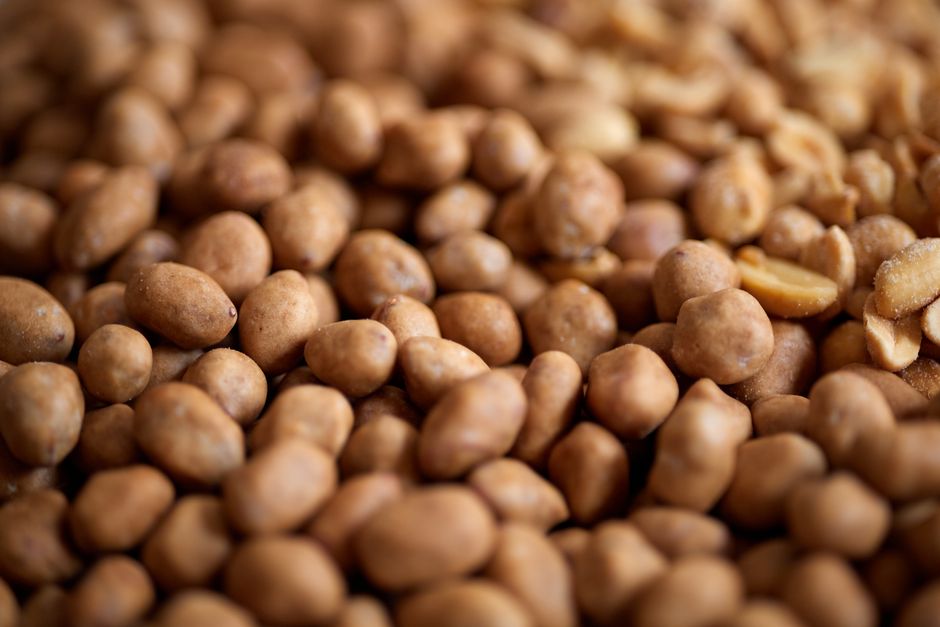
Peanuts contain lectins, but the amounts are far lower than most people assume. Roasting, boiling, soaking, and processing all reduce lectin activity to varying degrees. For most healthy people, eating peanuts is not a lectin problem at all. The five methods below explain what actually works, what does not, and why the concern is often overstated.
What Are Lectins and Why Are They in Peanuts?
Lectins are proteins that bind to specific sugar molecules. Plants make them as a defense mechanism. They can interfere with how the body absorbs nutrients if eaten in very large amounts, though this is rare in normal diets.
Peanuts belong to the legume family, not the tree nut family. That matters because legumes generally contain more lectins than tree nuts. Raw peanuts do contain measurable lectin activity. But the levels are modest compared to raw kidney beans, which are among the highest-lectin foods people commonly eat.
The main lectin in peanuts is called peanut agglutinin. It binds to a sugar called galactose. In laboratory studies, high concentrations of peanut agglutinin can affect cells. But laboratory conditions do not reflect how people eat peanuts. The dose matters enormously, and typical peanut consumption delivers far less lectin than those studies use.
It is also worth knowing that most peanuts sold in the United States are already roasted or boiled before they reach the store. So the question of removing lectins is often already partly answered before you open the bag.
How To Remove Lectins From Peanuts 5 Methods
These five methods are ranked roughly by how effective they are at reducing lectin activity. Heat-based methods work best. Cold methods help but do less.
1. Roasting
Roasting is the most common way peanuts are prepared in the US, and it is effective. Dry heat at high temperatures denatures lectins, which means it changes their protein structure so they can no longer bind sugars the same way.
Commercial roasting typically uses temperatures well above the threshold that deactivates most lectins. Home roasting works too. Spread raw peanuts on a baking sheet and roast at 350°F, stirring occasionally, until fragrant and lightly browned. The exact time depends on your oven and whether the peanuts are shelled or in-shell.
One honest caveat: roasting reduces lectin activity but may not eliminate it entirely. Studies on roasted peanuts have found residual lectin activity in some samples. The reduction is substantial, not total.
2. Boiling
Boiling is arguably the most effective home method. Moist heat penetrates the peanut and denatures lectins throughout, not just on the surface. Boiled peanuts are a traditional food in parts of the southern US and West Africa.
Green or raw peanuts boiled in salted water for an extended period lose most of their lectin activity. The longer the boil, the greater the reduction. Boiled peanuts also have a softer texture and a different flavor than roasted ones.
If your goal is maximum lectin reduction at home, boiling is the method to choose. It is also the method most studied for reducing lectins in legumes generally.
3. Soaking
Soaking raw peanuts in water before cooking reduces some lectin activity. It does not remove lectins on its own. Think of soaking as a helpful first step, not a complete solution.
Soaking works partly by leaching water-soluble compounds out of the peanut and partly by starting the germination process, which changes the peanut’s biochemistry. Overnight soaking in plenty of water is the common approach. Discard the soaking water rather than cooking in it.
Soaking alone leaves substantial lectin activity behind. Always follow soaking with a heat method like boiling or roasting.
4. Fermentation
Fermentation uses microorganisms to break down compounds in food, and it can reduce lectin activity in legumes. Fermented peanut products exist in some food cultures, though they are not common in the US.
The evidence for fermentation reducing peanut lectins specifically is thinner than the evidence for boiling or roasting. Some studies on fermented legumes show meaningful lectin reduction. Whether those results apply directly to peanuts is less clear.
If you ferment peanuts, treat it as an additional step alongside cooking, not a replacement for it.
5. Processing Into Peanut Butter or Peanut Flour
Commercial peanut butter and peanut flour are made from peanuts that have already been roasted. That means the lectin-reducing work is largely done before processing begins.
Processing itself does not remove additional lectins in any special way. The key point is that these products start from roasted peanuts, so their lectin activity is already lower than raw peanuts. Peanut flour is made from roasted, defatted peanuts and follows the same logic.
This is less a “method” than a shortcut. Buying roasted peanut products means you skip the raw-peanut lectin question entirely.
Does Cooking Really Destroy Peanut Lectins?
Heat denatures lectins. That part is well established. The question is how much heat, for how long, and whether any activity survives.
Lectins are proteins, and proteins lose their shape when heated enough. Once the shape changes, the sugar-binding site stops working. This is why cooked legumes are far safer than raw ones.
But “denatured” and “completely gone” are not the same thing. Some lectin activity can survive cooking, especially with dry heat methods. Research on roasted peanuts has detected residual lectin activity in certain samples. Boiling tends to reduce it more thoroughly because moisture carries heat deeper into the food.
The practical takeaway: cooking reduces peanut lectins substantially. It does not guarantee zero. For most people, that distinction does not matter.




Are Peanut Lectins Actually Harmful to People?
For most healthy people, peanut lectins are not a health concern at normal amounts of consumption. This is the part of the conversation that often gets lost.
The lectin warning that circulates online usually traces back to raw kidney beans. Raw or undercooked kidney beans can cause real illness because their lectin content is high and the beans are often eaten after insufficient cooking. Peanuts are not in that category.
Peanut agglutinin is generally well tolerated when eaten in food amounts. The human digestive tract handles small amounts of dietary lectins routinely. Many common foods contain them, including tomatoes, whole grains, and other legumes.
People with peanut allergies are a separate case entirely. Their reaction is to peanut proteins including lectins, but the mechanism is an immune response, not a lectin toxicity issue. Cooking does not make peanuts safe for someone with a peanut allergy.
Some people report digestive discomfort they attribute to lectins. Whether lectins are the actual cause is often unclear. Other components of peanuts, or unrelated digestive issues, can produce similar symptoms.
Do You Need to Remove Lectins From Peanuts at All?
Most people do not need to worry about peanut lectins. If you eat roasted or boiled peanuts, or standard peanut butter, you are already eating a product with reduced lectin activity.
The lectin-free diet trend has popularized the idea that lectins are broadly harmful. The evidence does not support that claim for the general population. There is no established clinical guidance recommending that healthy people avoid peanut lectins.
If you have a specific digestive condition, a diagnosed allergy, or have been advised by a clinician to limit certain foods, follow that guidance. That is different from avoiding lectins based on general internet claims.
For everyone else, the five methods above are available if you want them. Roasting and boiling are the ones that matter most. But needing them is a different question from wanting them.
Which Method Works Best?
| Method | Effectiveness at Reducing Lectins | Notes |
|---|---|---|
| Boiling | High | Moist heat penetrates throughout; most effective home method |
| Roasting | Moderate to high | Dry heat denatures lectins; some activity may survive |
| Soaking | Low on its own | Helpful first step; must be followed by cooking |
| Fermentation | Uncertain | Evidence for peanuts specifically is limited |
| Buying roasted products | Depends on source | Work is already done if peanuts were roasted |
Boiling and roasting are the two methods with the clearest evidence behind them. Soaking helps but is not sufficient alone. Fermentation shows promise in legumes generally, but peanut-specific evidence is limited. Buying pre-roasted products is the simplest route if you are not preparing raw peanuts yourself.
Frequently Asked Questions
Does roasting peanuts remove all lectins?
No. Roasting reduces lectin activity substantially but may not eliminate it completely, and some studies have found residual activity in roasted samples. Boiling tends to reduce lectins more thoroughly than dry roasting.
Are raw peanuts dangerous because of lectins?
Raw peanuts are not considered dangerous for most healthy people at normal food amounts, and their lectin levels are far lower than raw kidney beans. The serious lectin warnings you see online usually apply to undercooked kidney beans, not peanuts.
Does peanut butter still contain lectins?
Commercial peanut butter is made from roasted peanuts, so its lectin activity is already reduced compared to raw peanuts. Processing into butter does not remove additional lectins beyond what roasting already did.
Can soaking peanuts in water remove lectins?
Soaking reduces some lectin activity but does not remove lectins on its own. It works best as a first step before boiling or roasting, and the soaking water should be discarded.
