
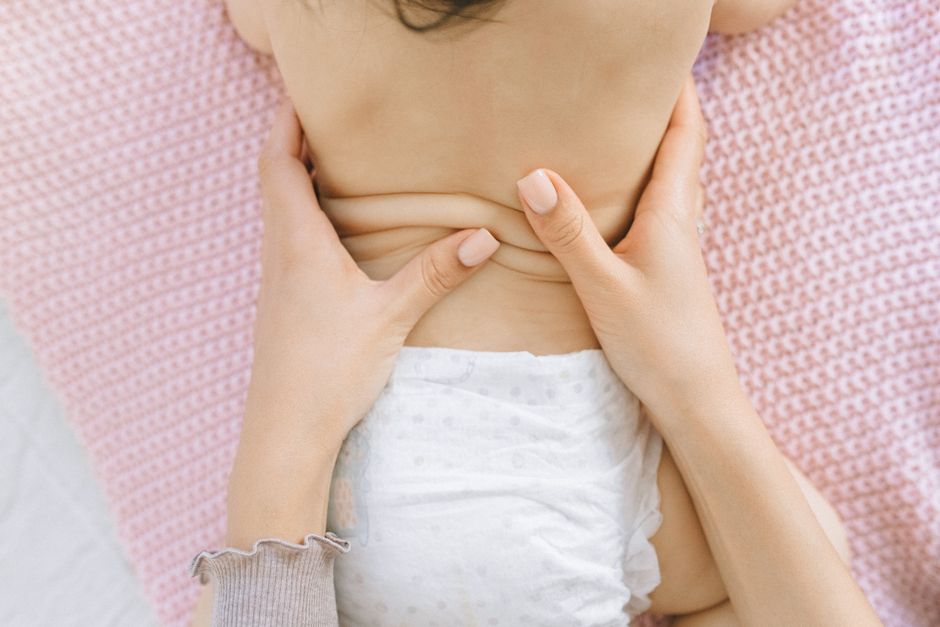
What Causes Baby Eczema?
Eczema, also known as atopic dermatitis, happens when the skin’s natural barrier is weak. This allows moisture to escape and irritants to enter more easily. The result is dry skin that becomes red, itchy, and sometimes weepy.
A family history of eczema, asthma, or allergies increases a baby’s chances of developing it. The condition is not caused by poor hygiene or anything a parent did wrong. It is a genetic and environmental issue that often improves as a child grows.
How To Treat Baby Eczema Baths Creams Triggers?
The core of eczema care is a simple daily routine: bathe, moisturize, and avoid triggers. The goal is to put moisture into the skin and keep it there with a barrier cream.
Step 1: The Bath
Give your baby a lukewarm bath once a day for 5 to 10 minutes. Water that is too hot strips the skin of natural oils. Use a gentle, fragrance-free cleanser designed for sensitive skin. Avoid bubble baths and harsh soaps.
Pat the skin dry with a soft towel. Do not rub. While the skin is still damp, within 3 minutes of finishing the bath, apply a thick layer of moisturizer. This “soak and seal” method locks in the water from the bath.
Step 2: The Cream
Use a thick cream or ointment rather than a thin lotion. Lotions contain more water and evaporate quickly. Ointments like petroleum jelly and thick creams like Cetaphil or CeraVe provide a stronger barrier.
Apply the moisturizer at least twice a day, and more often if the skin feels dry. Apply it generously. It is difficult to use too much moisturizer on eczema-prone skin.
Step 3: Managing Triggers
Triggers are things that make eczema flare up. They vary from baby to baby. Common ones include:
- Soaps, shampoos, and laundry detergents with fragrances or dyes
- Rough fabrics like wool or synthetic materials
- Sweating and overheating
- Dust mites, pet dander, and pollen
- Certain foods, though this is less common and usually tied to a true allergy
Keep your baby’s nails short and consider cotton mittens to prevent scratching. Scratching breaks the skin and can lead to infection.
What Is the Best Moisturizer for Baby Eczema?
There is no single “best” product for every baby. Skin responds differently to different formulations. The best moisturizer is one that is fragrance-free, dye-free, and thick enough to stay on the skin.
Ointments like plain petroleum jelly are highly effective and very safe. They contain no preservatives or additives that might irritate sensitive skin. Some parents prefer creams because they absorb faster and feel less greasy.
Look for products labeled “for sensitive skin” or “eczema-prone skin.” Avoid products with added fragrances, essential oils, or botanical extracts. These can trigger a reaction even if they are advertised as natural.
A common mistake is switching products too quickly. Give a new moisturizer at least a week of regular use before deciding if it helps. Apply it consistently, not just during flare-ups.





When Should You Use Medicated Creams?
If moisturizing alone does not control the rash, a doctor may recommend a medicated cream. Over-the-counter hydrocortisone cream (0.5% or 1%) can reduce inflammation and itching. Use it only as directed and for short periods.
For more severe cases, a pediatrician or dermatologist may prescribe a stronger topical steroid. These are safe when used correctly under medical supervision. The fear of “steroid thinning” of the skin is often overstated when the medication is used as prescribed for short courses.
Another class of medication called topical calcineurin inhibitors (like tacrolimus and pimecrolimus) is sometimes prescribed. These are non-steroid options for sensitive areas like the face and neck.
Do not use medicated creams on a regular basis without a doctor’s guidance. They are for flare-ups, not daily maintenance. If the eczema does not improve with prescription treatment, return to the doctor for a reassessment.
Does Diet Affect Baby Eczema?
Food allergies are a trigger for some babies with eczema, but they are not the cause for most. The link is often overstated. Research suggests that only about one-third of infants with moderate to severe eczema have a food allergy that makes their skin worse.
The most common food triggers in infants are cow’s milk, eggs, and peanuts. If you suspect a food is causing flares, talk to your pediatrician before eliminating anything from your baby’s diet. Cutting out foods without medical guidance can lead to nutritional deficiencies.
For breastfed babies, some mothers try eliminating dairy from their own diet. This may help in specific cases but is not a first-line treatment. For formula-fed babies, a doctor might suggest trying a hydrolyzed formula if cow’s milk allergy is strongly suspected.
Do not introduce solids later than usual to prevent eczema. Current evidence does not support delaying allergenic foods. In fact, early introduction of peanuts may reduce the risk of peanut allergy in high-risk infants, but this should be discussed with your pediatrician.
What Makes Baby Eczema Worse at Night?
Itching often intensifies at night for several reasons. The body’s natural cortisol levels drop in the evening, which can increase inflammation. The skin also loses more water overnight, making it drier and itchier.
Sweating under blankets or pajamas is another trigger. Overheating is one of the most common and easily fixed causes of nighttime flares. Dress your baby in light cotton pajamas and keep the room at a comfortable temperature. A cool, slightly humid room is usually best.
A generous layer of moisturizer applied right before bed can help. Some parents find that a wet wrap — a damp layer of clothing or gauze over the moisturized skin, covered by a dry layer — provides significant overnight relief. This technique should be discussed with a doctor first, as it is not suitable for all babies.
If itching is severe and disrupting sleep, an oral antihistamine might be recommended by a pediatrician. These are not for routine daily use but can help during a bad flare. Always ask a doctor before giving any medication to an infant.
When Should You Call the Doctor?
Most baby eczema is manageable at home. But some signs require medical attention.
Call your pediatrician if you see:
- Signs of infection, such as yellow crusting, oozing, or pus
- Fever in a baby with an eczema flare
- Eczema that does not improve after a week of consistent moisturizing
- Severe itching that interferes with sleep or daily activities
- Eczema that covers a large portion of the body
Infections in eczema are usually bacterial, most commonly staph. They require prescription treatment. Do not try to treat a suspected infection with over-the-counter products alone.
Eczema can also look like other skin conditions, including cradle cap, psoriasis, or contact dermatitis. A doctor can make the correct diagnosis and rule out other causes.
Can Baby Eczema Be Prevented?
You cannot always prevent eczema in a baby who is genetically predisposed to it. But some strategies may reduce the severity of flares.
Daily moisturizing from birth has been studied as a prevention method. Some research suggests it may delay or reduce the onset of eczema in high-risk infants, though the evidence is not conclusive. It is a low-risk practice that most dermatologists consider reasonable.
Avoiding known irritants from the start helps. Use fragrance-free laundry detergent, rinse clothes twice, and dress babies in soft cotton. Keep the home environment cool and avoid heavy blankets.
There is no evidence that prenatal diet changes or supplements prevent eczema in the baby. Claims about probiotics preventing eczema have mixed evidence. Some studies show a modest benefit, while others show none. The evidence is not strong enough to recommend routine probiotic use for this purpose.
Does Baby Eczema Go Away?
For most children, yes. About half of children with eczema outgrow it by age 5. Many others see significant improvement as they get older. The skin barrier matures, and the immune system becomes less reactive.
However, some children continue to have sensitive skin into adolescence and adulthood. They may have flares during dry winter months or when exposed to irritants. Even in these cases, the severity is usually much less than in infancy.
There is no cure for eczema. Treatment is about managing the condition and preventing flares. With a consistent routine, most babies with eczema can have healthy, comfortable skin.
Frequently Asked Questions
How often should I bathe a baby with eczema?
Bathe your baby once daily for 5 to 10 minutes in lukewarm water. Bathing more than once a day can dry out the skin further.
What is the best cream for baby eczema?
Thick ointments like petroleum jelly or fragrance-free creams like CeraVe and Cetaphil are the most effective. Lotions are too thin and do not provide enough barrier protection.
Can food allergies cause baby eczema flares?
Food allergies trigger flares in some babies, but they are not the cause for most. Cow’s milk, eggs, and peanuts are the most common triggers, but talk to your pediatrician before removing any food from your baby’s diet.
When should I take my baby to the doctor for eczema?
See a doctor if you notice yellow crusting, oozing, or fever, or if the eczema does not improve after a week of regular moisturizing. These can be signs of infection or a need for prescription treatment.
