
Eczema is one of the most common skin conditions, and if you have it, you know the itch can be relentless. The short answer to what helps is this: a consistent skincare routine that repairs the skin barrier, avoiding your specific triggers, and using medications when inflammation flares. Most people see real improvement with daily moisturizing and targeted anti-itch treatments, but the most effective plan depends on how severe your eczema is and where it appears on your body.
What Causes the Itch and Rash?
Eczema, also called atopic dermatitis, is not simply dry skin. It is a chronic inflammatory condition. The outer layer of your skin acts like a barrier, holding in moisture and keeping irritants out. In people with eczema, that barrier is weaker. Water escapes more easily, and irritants, allergens, and microbes get in more easily.
When these irritants penetrate the skin, your immune system overreacts. It sends inflammatory signals to the area, which causes redness, swelling, and intense itching. This is why eczema is not just a cosmetic issue. The inflammation is real, and it drives the symptoms you feel.
Genetics play a large role. Many people with eczema have a variation in a gene called filaggrin, which helps form the skin barrier. But genes are not the whole story. Environmental factors, stress, and climate all influence when flares happen and how severe they become.
What Helps With Eczema? Start With Moisturizing
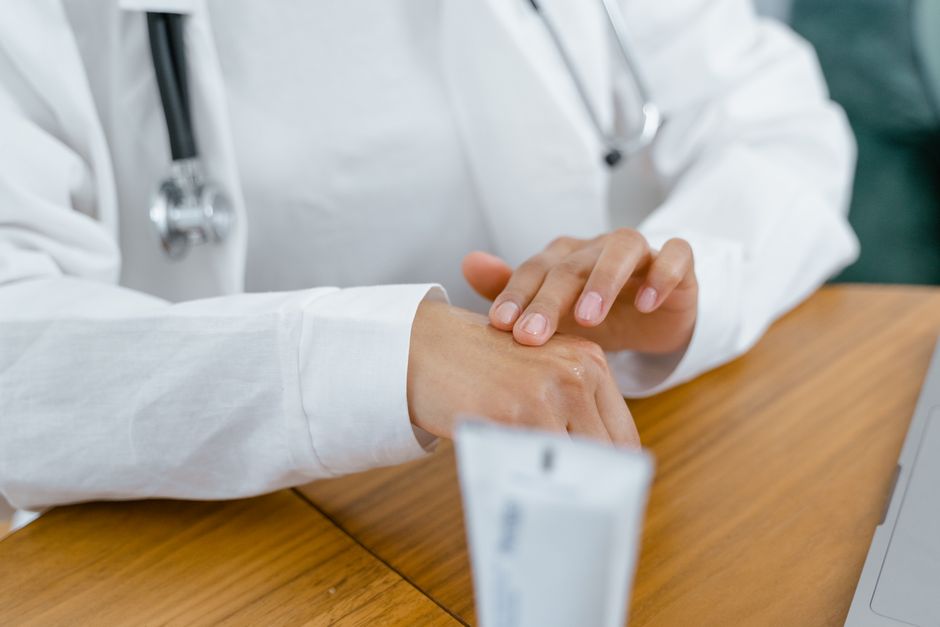
Daily moisturizing is the foundation of eczema care. It does not just soothe the skin temporarily. It actually helps repair the barrier so that fewer irritants can get through. The goal is to trap water in the skin and reduce water loss.
Not all moisturizers work the same. Thick creams and ointments are generally more effective than lotions. Lotions contain more water and evaporate quickly. Ointments like petroleum jelly sit on the skin and lock moisture in. Creams are a middle ground and work well for many people.
Apply moisturizer immediately after bathing, while the skin is still damp. This traps the water in the outer layer. For most people, moisturizing twice a day is the standard recommendation. Some people with very dry skin need more frequent application.
Look for fragrance-free products. Fragrances are a common irritant, even in products labeled for sensitive skin. Avoid products with dyes and botanical extracts as well. Simple is better when it comes to eczema care.
Bathing Habits That Help, Not Hurt
Bathing can help or worsen eczema, depending on how you do it. A short, lukewarm bath or shower can hydrate the skin. Hot water strips the skin of its natural oils and makes dryness worse. Keep baths to about 10 minutes.
Use a gentle, fragrance-free cleanser. Many soaps are too harsh for eczema-prone skin. Look for cleansers labeled “soap-free” or “syndet” bars. These clean without disrupting the skin barrier as much.
After bathing, pat the skin dry with a towel. Do not rub. Rubbing removes moisture and irritates the skin. Apply your moisturizer within three minutes of stepping out of the bath or shower.
Some people find that adding bath oils helps, but this is a personal preference. If you use them, still apply your regular moisturizer afterward. Bath oils do not replace a proper moisturizer.




Prescription Treatments That Calm Inflammation
Moisturizers alone are often not enough. When the skin is red and inflamed, you need a treatment that addresses the inflammation directly. Topical corticosteroids are the first-line prescription treatment for eczema flares. They reduce inflammation and itching by calming the immune response in the skin.
These come in different strengths. Over-the-counter hydrocortisone is the mildest. Prescription versions are stronger. Your doctor will choose the strength based on the severity of your flare and the location of the rash. The skin on the face and neck is thinner, so lower-strength steroids are usually used there.
Topical calcineurin inhibitors are another option. These are non-steroid creams or ointments that also reduce inflammation. They are often used on sensitive areas like the face, eyelids, and skin folds where steroids may cause thinning over time. Common examples include tacrolimus and pimecrolimus.
Use these treatments exactly as directed. Do not stop a steroid cream the moment the rash looks better. Stopping too early can allow the inflammation to rebound. Your doctor will tell you how long to use it.
Newer Medications for Moderate to Severe Eczema
For people with moderate to severe eczema that does not respond to topical treatments, newer options exist. These are systemic treatments, meaning they work throughout the body rather than just on the skin.
Dupilumab is a biologic medication given by injection. It targets specific immune proteins involved in the inflammation of eczema. Clinical trials have shown it significantly reduces itch and clears skin in many people with moderate to severe eczema. It is generally well tolerated, though some people experience eye irritation or injection site reactions.
JAK inhibitors are a newer class of oral medications. They block enzymes inside cells that drive inflammation. Several are approved for eczema. They work quickly for many people, but they carry more potential side effects than topical treatments, including an increased risk of infection. These are typically reserved for people who have not responded well to other treatments.
Phototherapy is another option. This uses ultraviolet light under medical supervision to reduce inflammation. It is effective for some people, but it requires regular visits to a clinic and is not suitable for everyone.
Identifying and Avoiding Your Triggers
Eczema flares are often triggered by specific things. Identifying your triggers can help you prevent flares before they start. Common triggers include harsh soaps, wool and synthetic fabrics, dust mites, pet dander, pollen, and certain foods.
Food triggers are real but less common than many people think. In children, eggs, cow’s milk, and peanuts are the most frequently implicated foods. In adults, food triggers are harder to pin down. If you suspect a food is causing flares, talk to a doctor or allergist. Do not cut out entire food groups on your own, especially for children, as this can lead to nutritional deficiencies.
Stress is a well-established trigger. Stress does not cause eczema, but it can make existing eczema worse. When you are stressed, your body releases cortisol, which can increase inflammation. Finding ways to manage stress, whether through exercise, sleep, or relaxation techniques, may reduce the frequency of flares.
Climate matters too. Cold, dry air worsens eczema because it pulls moisture from the skin. Hot, humid weather can cause sweating, which also irritates eczema in some people. A humidifier in your bedroom during winter months can help.
What About Natural Remedies?
Many natural remedies are promoted for eczema, but the evidence for most is limited. Coconut oil is one of the few that has some research behind it. It has moisturizing properties and may have mild antibacterial effects. Some studies suggest it can improve skin hydration and reduce symptoms, but the quality of the evidence is not strong.
Colloidal oatmeal is another option with some evidence. It is finely ground oatmeal that can be added to a bath. It has anti-inflammatory properties and can temporarily soothe itchy skin. Many dermatologists recommend it as a supportive measure, but it is not a replacement for medical treatment.
Be cautious with essential oils and herbal creams. These can contain allergens that make eczema worse. Just because a product is natural does not mean it is safe for your skin. Always patch test a small area first.
There is no strong evidence that supplements like vitamin D, fish oil, or probiotics prevent or treat eczema. Some research suggests vitamin D deficiency is more common in people with eczema, but correcting a deficiency is not the same as treating the condition. If you have concerns about your vitamin D levels, ask your doctor for a blood test.
When to See a Doctor
If your eczema is not improving with over-the-counter moisturizers and hydrocortisone, see a doctor. You should also see a doctor if the rash is widespread, painful, or oozing. Oozing or crusting can be a sign of a bacterial infection, which requires treatment.
Eczema that keeps you awake at night or interferes with daily life deserves medical attention. There is no reason to suffer through severe itching when effective treatments exist. A dermatologist can help you develop a plan that works for your specific skin.
Children with eczema should see a pediatrician or dermatologist early. Early, consistent treatment can prevent complications like infections and sleep problems. It can also reduce the impact of eczema on quality of life.
Frequently Asked Questions
Can eczema be cured?
No, there is no cure for eczema. It is a chronic condition, but it can be managed effectively with the right skincare routine and treatments.
Is eczema contagious?
No, eczema is not contagious. You cannot catch it from or pass it to another person.
Does diet affect eczema?
For some people, certain foods trigger flares, but this is less common than many believe. If you suspect a food trigger, discuss it with a doctor before removing foods from your diet.
Can stress make eczema worse?
Yes, stress is a well-established trigger for eczema flares. Managing stress may help reduce the frequency and severity of flares.
