
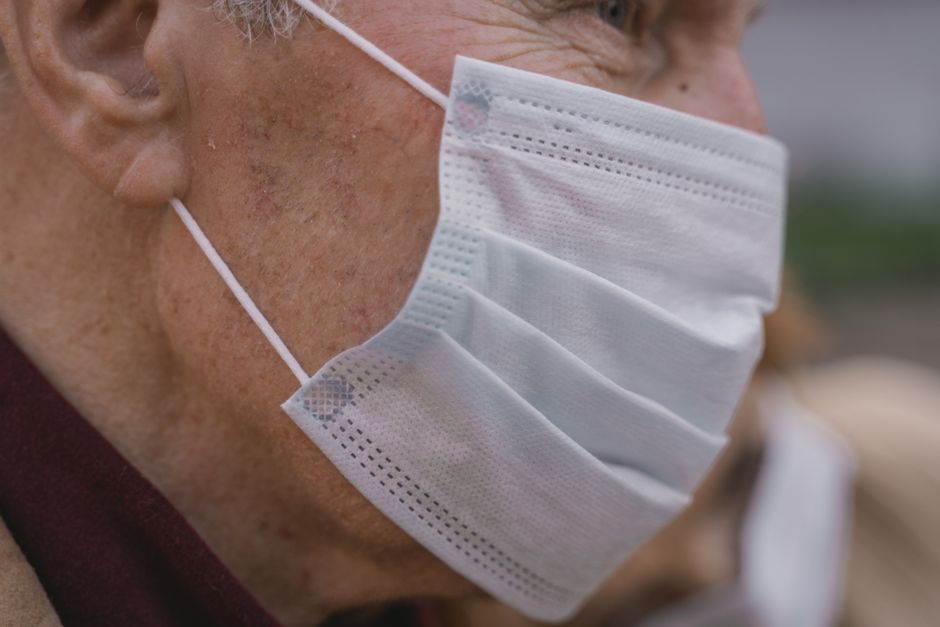
Pneumonia is a lung infection that hits older adults harder than almost anyone else. The good news is that most cases are preventable with the right vaccines, healthy habits, and quick action when symptoms appear. The key tips to prevent pneumonia in older adults include getting the pneumococcal vaccine and annual flu shot, quitting smoking, staying active, and practicing good hygiene like handwashing.
Why Are Older Adults at Higher Risk for Pneumonia?
As people age, their immune system naturally weakens. This makes it harder for the body to fight off infections like pneumonia. The lungs also change with age. They lose some elasticity, and the cough reflex gets weaker. A weaker cough means it is harder to clear germs and mucus from the airways.
Chronic conditions common in older adults add to the risk. Diabetes, heart disease, COPD, and kidney disease all make pneumonia more likely. According to the CDC, adults 65 and older are hospitalized for pneumonia at a rate several times higher than younger adults. The risk of dying from pneumonia also rises sharply after age 65.
Understanding this risk is the first step. It is not about fear. It is about knowing why prevention matters so much for this age group.
What Vaccines Help Prevent Pneumonia in Older Adults?
Vaccines are the single most effective tool. The CDC recommends two pneumonia vaccines for adults 65 and older. The first is PCV20 (Prevnar 20) or PCV15 (Vaxneuvance). The second is PPSV23 (Pneumovax 23). Most people only need one dose of PCV20, or PCV15 followed by PPSV23 one year later. Your doctor can tell you which schedule fits your health history.
The flu vaccine is equally important. Influenza is a common cause of pneumonia in older adults. Getting the flu shot each year cuts your risk of flu-related pneumonia significantly. The CDC reports that flu vaccination reduces the risk of flu-associated hospitalization by about 40% among older adults.
The RSV vaccine is newer but also relevant. Respiratory syncytial virus can cause severe pneumonia in seniors. In 2023, the FDA approved RSV vaccines for adults 60 and older. Talk to your doctor about whether this vaccine is right for you.
| Vaccine | What It Protects Against | Who Should Get It |
|---|---|---|
| PCV20 or PCV15 + PPSV23 | Pneumococcal bacteria (most common cause) | All adults 65+ |
| Flu shot (annual) | Influenza viruses | All adults 65+ |
| RSV vaccine | Respiratory syncytial virus | Adults 60+ (discuss with doctor) |
Important note: Vaccines do not guarantee you will never get pneumonia. But they dramatically lower the risk of severe infection and hospitalization. That is the goal.
How To Prevent Pneumonia In Older Adults Key Tips for Daily Life
Daily habits matter more than most people realize. Start with handwashing. It sounds simple, but it works. Wash your hands with soap and water for at least 20 seconds after being in public places, before eating, and after coughing or sneezing. Hand sanitizer with at least 60% alcohol is a good backup.
Keep your mouth healthy. Poor oral hygiene allows bacteria to grow in the mouth. Those bacteria can be inhaled into the lungs and cause pneumonia. Brush twice a day, floss daily, and see your dentist regularly. Research published in the Journal of the American Geriatrics Society found that older adults who did not brush their teeth daily had a higher risk of pneumonia.
Stay active. Regular walking, light strength training, or even chair exercises help keep the lungs working well. Movement improves circulation and helps clear mucus from the airways. Aim for at least 150 minutes of moderate activity per week if your doctor agrees.
Quit smoking. Smoking damages the lungs and destroys the tiny hairs that help clear germs. If you smoke, quitting is the single best thing you can do for lung health. The American Lung Association offers free quit-smoking resources.





What Lifestyle Changes Reduce Pneumonia Risk the Most?
Sleep is underrated. Your body repairs itself during sleep, including your immune system. Older adults need 7 to 9 hours per night. Chronic sleep loss weakens immune defenses. One study in the journal Sleep found that people who slept less than 5 hours per night were nearly twice as likely to develop pneumonia compared to those who slept 7 to 8 hours.
Nutrition matters. A balanced diet with enough protein, zinc, and vitamin D supports immune function. Vitamin D deficiency is common in older adults, especially those who spend little time outdoors. Some studies suggest that vitamin D supplements may reduce the risk of respiratory infections. The evidence is not ironclad, but it is reasonable to get your levels checked and supplement if low.
Avoid alcohol excess. Heavy drinking suppresses the immune system and increases the risk of aspiration pneumonia. Aspiration pneumonia happens when food or liquid goes into the lungs instead of the stomach. If you drink, stick to moderate amounts — no more than one drink per day for women and two for men.
Manage chronic conditions. Keep diabetes, heart failure, and COPD under control. Uncontrolled diabetes raises infection risk. COPD directly damages the lungs. Work with your doctor to keep these conditions stable.
What Are the Early Signs of Pneumonia in Older Adults?
Spotting pneumonia early can prevent a mild case from becoming severe. In older adults, the classic symptoms like high fever and cough are not always present. Sometimes the only signs are confusion, dizziness, or a sudden loss of appetite. A fall or a change in behavior can also be a red flag.
Other common symptoms include:
- Cough that may produce yellow, green, or bloody mucus
- Fever or chills (though temperature may be lower than expected)
- Shortness of breath or rapid breathing
- Chest pain when breathing or coughing
- Fatigue or weakness
- Nausea, vomiting, or diarrhea
If an older adult suddenly seems confused or less alert, do not assume it is just aging. Get medical attention quickly. The CDC notes that confusion is a common pneumonia symptom in seniors. Early treatment with antibiotics or antivirals makes a big difference.
Do not wait to see if symptoms get better on their own. Pneumonia can worsen fast in older adults. Call a doctor or go to urgent care if any of these signs appear.
Common Misconceptions About Pneumonia Prevention
One widespread myth is that pneumonia is contagious like a cold. The truth is more complicated. The bacteria and viruses that cause pneumonia can spread from person to person through coughing and sneezing. But not everyone who is exposed gets pneumonia. A healthy immune system often fights off these germs before they reach the lungs. Older adults with weaker immune systems are more vulnerable.
Another myth is that getting the pneumonia vaccine once is enough for life. That is not true for everyone. Some people need a second dose depending on their health and which vaccine they received first. The CDC has specific guidelines based on age and medical conditions. Ask your doctor if you are due for a booster.
Some people believe that taking vitamin C or zinc supplements can prevent pneumonia. Evidence for this is weak. While these nutrients are important for general health, no supplement has been proven to prevent pneumonia in clinical trials. The National Institutes of Health states that routine supplementation is not recommended for pneumonia prevention. Get your nutrients from food first.
A final misconception is that pneumonia only happens in winter. It is more common in colder months, but it can occur year-round. Staying up to date on vaccines and good hygiene matters every season.
Frequently Asked Questions
How long does the pneumonia vaccine last in older adults?
Protection from the pneumococcal vaccine lasts several years. Some people may need a booster after 5 to 10 years depending on their health and the vaccine type.
Can you get pneumonia even after getting the vaccine?
Yes, the vaccine does not prevent every case. But it greatly reduces the risk of severe pneumonia and hospitalization.
Is pneumonia always serious in older adults?
Pneumonia is often serious in older adults. It can lead to hospitalization and complications even with treatment.
What should I do if I think an older adult has pneumonia?
Contact a doctor immediately. Do not wait to see if symptoms improve. Early treatment improves outcomes significantly.
