
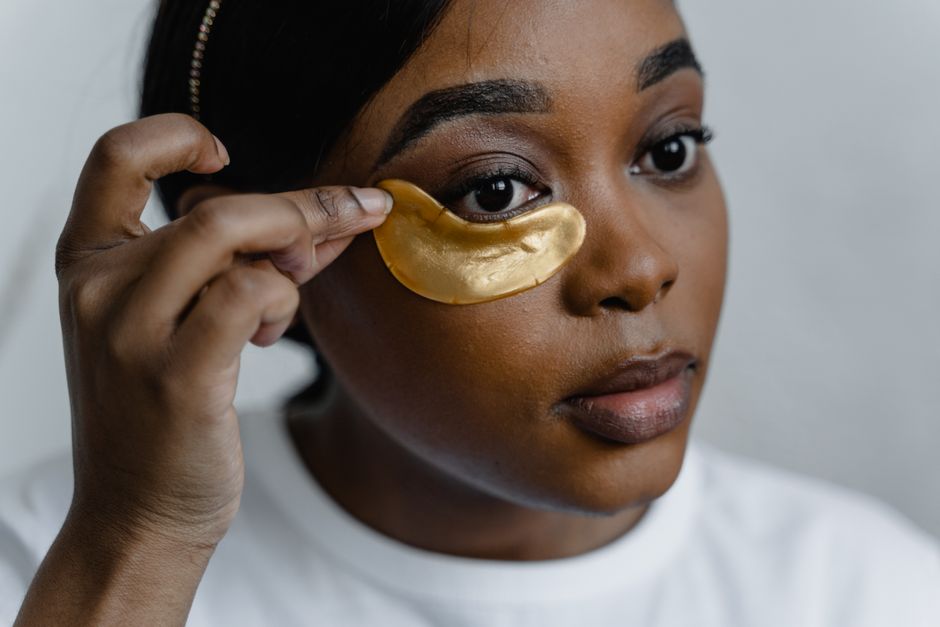
Dark circles under your eyes are a common cosmetic concern, and the truth is that not all of them can be prevented. The most effective prevention starts with understanding what causes your specific type of dark circles, as genetics, sleep, and lifestyle habits all play different roles. While you cannot change your genetics, you can address the preventable factors like sun exposure, sleep quality, and rubbing your eyes to reduce their appearance.
What Actually Causes Dark Circles?
Dark circles are not a single condition. They have several distinct causes, and identifying yours is the first step toward prevention. The skin under your eyes is the thinnest skin on your body, making it more transparent and susceptible to changes in the blood vessels beneath it.
There are three main types of dark circles. The first is pigmented, where melanin production creates a brownish or dark hue. This is often genetic and more common in people with darker skin tones. The second is vascular, where bluish or purplish tones show through the thin skin due to dilated blood vessels or poor circulation. The third is structural, caused by shadows from tear trough hollows or puffiness, which are largely determined by your facial bone structure.
Many people have a combination of these types. Sun exposure darkens pigmented circles, while allergies and lack of sleep worsen the vascular type. Understanding this distinction matters because prevention strategies differ for each.
How To Prevent Dark Circles Under Your Eyes: The Core Habits
If you want to prevent dark circles, you need to focus on the factors within your control. The most evidence-backed habits involve protecting the skin, managing allergies, and prioritizing your sleep.
Sun protection is non-negotiable. The sun’s ultraviolet rays increase melanin production, which darkens the under-eye area. Apply a broad-spectrum sunscreen with at least SPF 30 daily, or wear sunglasses that block UV rays. This is the single most effective way to prevent the pigmented type of dark circles from worsening.
Manage allergies consistently. Allergies cause inflammation and prompt you to rub your eyes, which can break capillaries and darken the skin over time. If you have seasonal allergies, treating them with an antihistamine or avoiding known triggers can make a visible difference. Rubbing your eyes is a direct cause of both vascular and pigmented dark circles.
Prioritize consistent sleep. While the exact amount varies by person, most adults need between seven and nine hours per night. Lack of sleep causes blood vessels to dilate, making the area appear bluer and more prominent. Sleeping with your head slightly elevated can also prevent fluid from pooling under your eyes overnight, which reduces morning puffiness and the shadows it creates.
Does Diet and Hydration Play a Role?
Dehydration makes the skin under your eyes look dull and more translucent, which can make blood vessels more visible. Staying adequately hydrated is a reasonable prevention measure, but there is limited clinical research specifically linking water intake to dark circle severity.
Iron deficiency is a different matter. When your body lacks iron, it cannot produce enough hemoglobin, the protein that carries oxygen in red blood cells. This can make the blood under your eyes appear more bluish and the skin paler, increasing the contrast that creates dark circles. If you have other symptoms of iron deficiency like fatigue, pale skin, or shortness of breath, it is worth discussing a blood test with your doctor. Do not self-supplement with iron without testing, as excess iron is harmful.
Some research suggests that vitamin K and vitamin C play roles in skin health and blood vessel function, but no clinical evidence confirms that taking these supplements prevents dark circles. A balanced diet with plenty of fruits and vegetables supports overall skin health, but it is not a targeted cure for under-eye darkness.





What About Eye Creams and Topical Products?
The market for eye creams is enormous, and most claims outpace the evidence. However, a few ingredients have actual clinical rationale behind them.
Caffeine is a vasoconstrictor, meaning it narrows blood vessels. Applied topically, it can temporarily reduce the appearance of vascular dark circles and puffiness. The effect is short-lived, lasting only a few hours, and it does not address pigmented or structural circles.
Vitamin C inhibits melanin production and has been shown in some studies to lighten hyperpigmentation over time. Results take weeks to months of consistent use, and the concentration matters. Products with stabilized vitamin C at concentrations between 10 and 20 percent have the most evidence, though individual responses vary.
Retinoids increase skin cell turnover and collagen production, which can thicken the thin under-eye skin over time. Thicker skin is less transparent, making blood vessels less visible. However, retinoids are irritating, and the under-eye area is particularly sensitive. Use a product specifically formulated for the eye area and start with a low concentration applied every other night.
Hydroquinone is a skin-lightening agent available by prescription. It is effective for pigmented dark circles but carries risks of irritation and, in rare cases, paradoxical darkening. It should only be used under medical supervision.
The honest bottom line is that no cream eliminates dark circles. Topical products can improve the appearance, but the results are modest and require consistent, long-term use.
Lifestyle Factors That Worsen Dark Circles
Several habits directly worsen dark circles, and changing them is part of prevention.
Alcohol dehydrates the body and dilates blood vessels. Both effects make dark circles more visible. Reducing alcohol intake, especially in the evening, can prevent the puffy, dark look that follows a night of drinking.
High-salt meals cause fluid retention, which leads to puffiness. When the under-eye area is swollen, it creates shadows that look like dark circles. This is a structural effect rather than a pigmentation issue, but it looks the same to most people.
Smoking damages collagen and impairs circulation. Over time, the skin becomes thinner and more transparent, which worsens the appearance of blood vessels beneath the eyes. Quitting smoking is one of the best long-term prevention strategies for skin aging in general.
Screen time does not directly cause dark circles, but eye strain from prolonged screen use can cause you to rub your eyes more frequently. The rubbing is the problem, not the screen itself. Taking regular breaks and using artificial tears if your eyes feel dry can reduce the urge to rub.
When Genetics Mean You Cannot Fully Prevent Them
If your parents have dark circles, you likely will too. Genetic dark circles are often structural, caused by deep tear troughs or a natural shadow from your orbital bone structure. No lifestyle change prevents this type because it is not caused by anything you are doing.
Some genetic dark circles are pigmented, particularly in people with darker skin tones where melanin production is naturally higher in the under-eye area. Sun protection can prevent these from worsening, but it cannot erase what is already there.
This is not meant to discourage you. It is meant to help you set realistic expectations. If you have tried consistent sleep, sun protection, allergy management, and hydration for several months without improvement, your dark circles are likely genetic. At that point, prevention reaches its limit, and treatment options like dermal fillers for structural hollows or laser therapy for pigmentation become relevant. These are medical procedures that require consultation with a dermatologist or plastic surgeon, and they come with their own risks and costs.
Are There Medical Treatments If Prevention Fails?
When prevention is not enough, several medical treatments exist, but none are permanent and all carry risks.
Dermal fillers are injected into the tear trough to fill the hollow that creates shadows. The results are immediate and last anywhere from six months to two years depending on the product. Risks include bruising, swelling, and the rare but serious complication of vascular occlusion, where filler blocks a blood vessel and can cause tissue death.
Chemical peels and laser therapy target pigmented dark circles. They work by removing or breaking up melanin in the skin. Multiple sessions are typically needed, and results vary. Darker skin tones carry a higher risk of post-inflammatory hyperpigmentation from these treatments, so choosing an experienced practitioner is critical.
Platelet-rich plasma therapy, sometimes called the vampire facial, is offered by many clinics for dark circles. The evidence for its effectiveness in this specific area is limited and mixed. Some small studies show improvement, but larger, well-controlled trials are lacking.
If you are considering any of these treatments, seek a board-certified dermatologist or plastic surgeon. Ask about their experience specifically with under-eye treatments, and be honest about your expectations. No treatment completely eliminates dark circles, and results are often more subtle than marketing images suggest.
Frequently Asked Questions
Can lack of sleep alone cause dark circles?
Yes, lack of sleep dilates blood vessels under the thin eye skin, making them more visible as bluish circles. The effect is temporary and typically improves within a day or two of proper rest.
Does applying cold compresses help prevent dark circles?
Cold compresses temporarily constrict blood vessels, which can reduce puffiness and the appearance of vascular dark circles for a few hours. This is a cosmetic measure, not a permanent prevention strategy.
Are dark circles a sign of a serious health condition?
In most cases, dark circles are cosmetic and not a sign of illness. However, if they appear alongside other symptoms like severe fatigue, paleness, or shortness of breath, iron deficiency or another underlying condition may be the cause.
Can makeup prevent dark circles from getting worse?
Makeup does not prevent dark circles, but it does not worsen them either. Color-correcting concealers are an effective way to neutralize the appearance while you work on addressing the underlying causes.
