
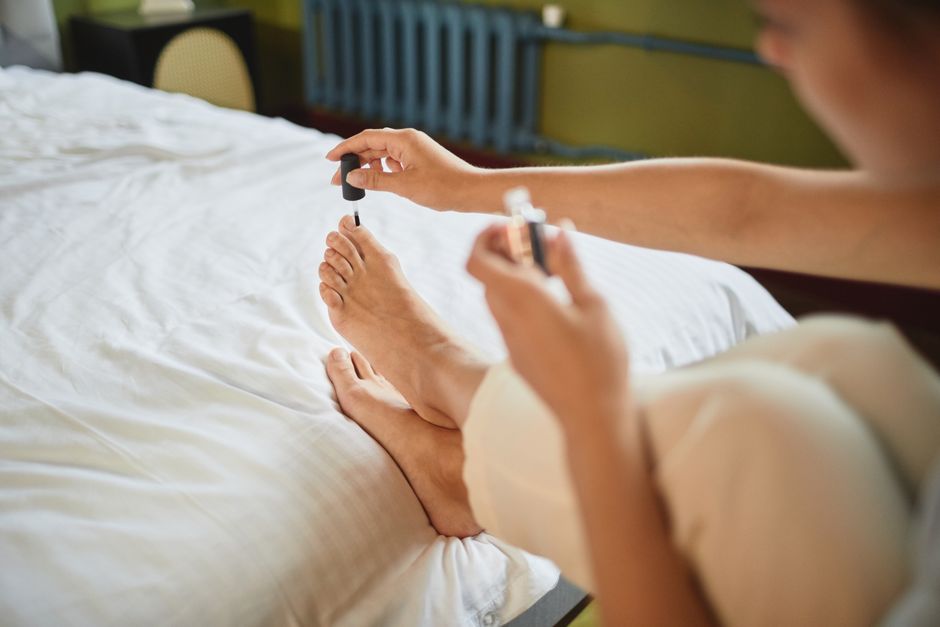
Ingrown toenails happen when the edge of your nail grows into the skin next to it. This causes pain, redness, and swelling. The main causes are cutting nails too short or rounded, wearing tight shoes, and injuring your toe. To prevent them, cut your nails straight across, wear shoes with enough toe room, and keep your feet clean and dry.
What Exactly Is an Ingrown Toenail?
An ingrown toenail is a common condition where the corner or side of your toenail digs into the soft skin beside it. It usually happens on the big toe. The skin reacts by becoming red, swollen, and painful. If bacteria get in, it can become infected with pus or feel warm to touch.
Think of it as a small cut that gets irritated every time your shoe presses against it. Your body sends blood and immune cells to the area. That is what causes the swelling and redness. The medical name is onychocryptosis. But knowing the name does not help much. What matters is understanding why it happens and how to stop it.
Current research suggests that about 2 in 100 people will get an ingrown toenail at some point. It is more common in teenagers and young adults. But anyone can get one, especially if you run or stand a lot for work.
What Causes Ingrown Toenails And How To Prevent Them — the Real Reasons
The number one cause is cutting your toenails wrong. When you cut nails too short or curve the edges to match the shape of your toe, you invite the nail to grow into the skin. The nail has nowhere else to go. As it grows forward, the sharp corner pushes into the flesh.
Tight shoes are the second biggest cause. Shoes that squeeze your toes together press the skin up against the nail. This creates pressure that forces the nail to grow sideways. High heels and narrow sneakers are common culprits. If your toes are cramped, your risk goes up.
Injury is another cause. Stubbing your toe, dropping something on it, or repeated pressure from running can damage the nail bed. The nail may grow back unevenly. Once it grows in a slightly different direction, it can dig into the skin.
Some people are just born with nails that curve more than usual. This is called a pincer nail or involuted nail. It runs in families. If your parents had ingrown toenails, you might be more likely to get them. You cannot change your nail shape. But you can change how you care for your feet.
Sweaty feet also raise the risk. Moisture softens the skin around your nail. Soft skin is easier for a sharp nail to pierce. Athletes and people who wear boots all day often deal with this.
Does Home Treatment Actually Work?
Home treatment works well for mild ingrown toenails. If you catch it early — just a little redness and pain — you can often fix it yourself. Soak your foot in warm water with Epsom salt for 15 to 20 minutes, three times a day. This softens the skin and reduces swelling.
After soaking, gently lift the nail edge. Use a clean piece of cotton or dental floss to place under the corner of the nail. This helps the nail grow above the skin instead of into it. Change the cotton daily. Do this until the nail grows out past the skin edge.
Wear open-toed shoes or sandals while it heals. If you must wear closed shoes, choose ones with a wide toe box. Apply an antibiotic ointment if you see signs of infection. But keep in mind that most mild cases heal on their own with soaking and proper nail care.
What does not work? Cutting a V shape in the top of the nail. This old myth claims it changes how the nail grows. Research shows it does nothing. The nail grows from the base, not the tip. Cutting a notch at the top cannot change the direction of growth at the root.




When Should You See a Doctor?
See a doctor if the pain is severe, if you see pus, or if the redness spreads up your toe or foot. These are signs of infection. A doctor can remove the part of the nail that is digging in. This is a simple procedure done in the office with local numbing.
People with diabetes, poor circulation, or nerve damage in their feet should see a doctor at the first sign of an ingrown toenail. These conditions make infections more dangerous. Do not wait. A small problem can become serious quickly.
For chronic ingrown toenails that keep coming back, a doctor may recommend a partial nail removal. The doctor removes the edge of the nail and applies a chemical to stop that part from growing back. This is called a partial nail avulsion with matrixectomy. It has a high success rate. Most people who get this procedure never have the problem again on that nail.
How to Prevent Ingrown Toenails for Good
Prevention is straightforward. Cut your toenails straight across. Do not round the corners. Use nail clippers made for toenails. They are larger and give you a straight cut. Cut them so the edge of the nail is even with the tip of your toe. Not shorter. Not longer.
Wear shoes that fit properly. Your toes should have room to wiggle. If you can feel your toes pressing against the front or sides of the shoe, it is too tight. Buy shoes later in the day when your feet are slightly swollen. This gives you a more accurate fit.
Keep your feet clean and dry. Change socks daily. If your feet sweat a lot, use moisture-wicking socks and foot powder. Dry feet mean tougher skin around the nail. Tougher skin resists the nail better.
Avoid repeated trauma to your toes. If you play soccer, run long distances, or do ballet, take breaks. Let your feet rest. Check your toes regularly for early signs of trouble. Catching it early is easier than fixing it later.
Common Misconceptions About Ingrown Toenails
Many people think ingrown toenails are caused by poor hygiene. That is not true. Clean feet can still get ingrown nails. Hygiene helps prevent infection, but it does not stop the nail from growing into the skin. The cause is mechanical — how you cut your nails and what you wear on your feet.
Another myth is that you should dig out the nail yourself. Do not do this. Using a sharp tool to dig under your nail can make things worse. You can push the nail deeper, cause bleeding, or introduce bacteria. If you need to lift the nail, use clean cotton or floss. Leave sharp objects out of it.
Some people believe that ingrown toenails only happen to older adults. In reality, teenagers get them often. This is because teenagers’ feet grow quickly and they wear tighter shoes. Athletes in their teens and twenties are also at high risk.
| Cause | Prevention | Evidence Level |
|---|---|---|
| Cutting nails too short or curved | Cut straight across, level with toe tip | Strong — multiple studies confirm |
| Tight shoes | Wear shoes with wide toe box | Strong — linked in clinical studies |
| Toe injury | Protect feet during sports and work | Moderate — case reports support |
| Curved nail shape (genetic) | Careful nail trimming, avoid pressure | Moderate — recognized risk factor |
| Sweaty feet | Keep feet dry, use moisture-wicking socks | Weak — plausible but understudied |
What to Avoid When Treating Ingrown Toenails
Do not use the “bathroom surgery” method. This means trying to cut the nail yourself with scissors or a knife. It rarely ends well. You can damage the nail bed, cause infection, or make the nail grow back worse. Let a professional handle it if it hurts.
Do not apply topical numbing creams and then try to cut the nail. Numbing hides the pain but does not make the procedure safe. You cannot feel if you are cutting too deep. You can cause more damage without realizing it.
Do not ignore signs of infection. Redness, warmth, pus, and pain that gets worse are not normal. If you see these, see a doctor. Infections in the toe can spread to the bone if left untreated. This is rare, but it happens.
Do not wear the same tight shoes while treating an ingrown nail. Give your toe room to heal. If you must wear closed shoes, loosen the laces or choose a wider pair. Pressure slows healing and increases pain.
Frequently Asked Questions
Can an ingrown toenail heal on its own?
Mild ingrown toenails can heal on their own with proper home care like soaking and keeping the area clean. Moderate to severe cases usually need medical treatment to remove the ingrown part.
How long does it take for an ingrown toenail to heal?
With proper care, mild cases heal in one to two weeks. If you need a doctor to remove part of the nail, healing takes about two to four weeks.
Is it safe to cut an ingrown toenail at home?
Cutting an ingrown toenail at home is not recommended because you can make it worse or cause infection. It is safer to soak the foot and gently lift the nail edge with clean cotton.
What is the fastest way to get rid of an ingrown toenail?
The fastest way is to see a podiatrist who can numb the toe and remove the ingrown nail edge. This provides immediate relief and heals within days.
