
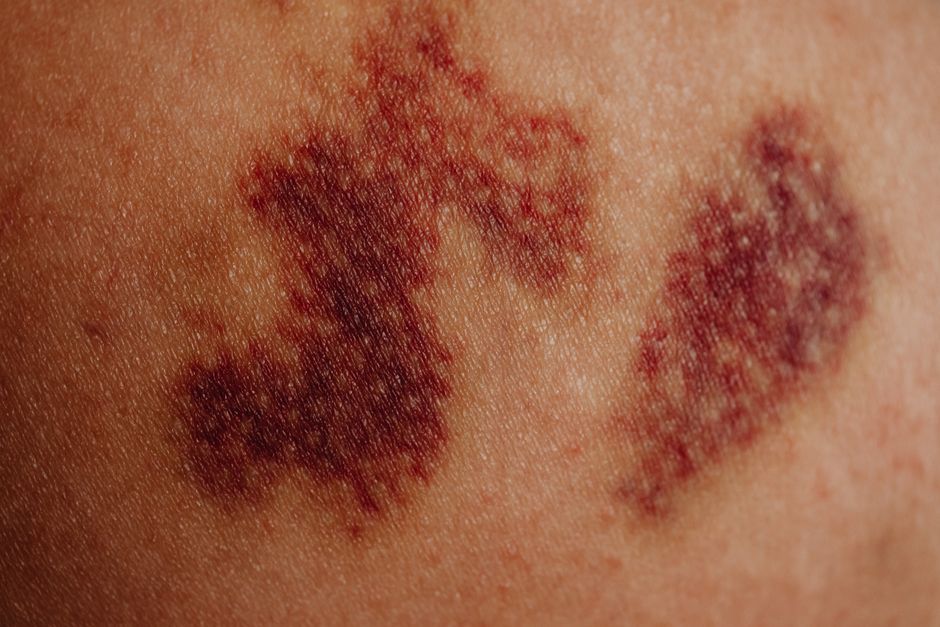
Bruising after Botox is common, but you can lower your risk with a few simple steps. The most effective prevention starts before your appointment: avoid blood-thinning foods, supplements, and medications for several days prior. After the injection, apply gentle pressure, skip strenuous exercise for 24 hours, and avoid touching the treated area. These steps do not guarantee zero bruising, but they significantly reduce your chances.
Why Does Botox Cause Bruising?
Botox is injected with a very fine needle into specific facial muscles. The needle passes through the skin and into the muscle beneath. Any time a needle breaks the skin, it can nick a small blood vessel. When that vessel bleeds into the tissue, it creates a bruise.
The face has a dense network of tiny blood vessels called capillaries. Some areas, like the crow’s feet around the eyes, have more surface vessels than others. This makes certain injection sites more prone to bruising than the forehead or between the brows.
Bruising is not a sign that the injection went wrong. It is a normal response to a minor injury. Most bruises from Botox are small and fade within a week to ten days.
What To Avoid Before Your Botox Appointment
What you put into your body in the days before your appointment matters. Several common substances thin the blood and make bleeding more likely. Stopping them before your injection reduces your bruising risk.
Avoid these for at least 5 to 7 days before treatment:
- Ibuprofen (Advil, Motrin) and naproxen (Aleve)
- Aspirin and products containing aspirin
- Fish oil and omega-3 supplements
- Vitamin E supplements
- Ginkgo biloba, ginseng, and garlic supplements
- Alcohol
Acetaminophen (Tylenol) does not thin the blood. If you need pain relief before your appointment, it is the safer choice. Always tell your injector about every medication and supplement you take, including prescription blood thinners like warfarin or apixaban. Do not stop prescription blood thinners without talking to your doctor first.
Some foods also have mild blood-thinning effects. Large amounts of garlic, ginger, and certain spices can contribute. You do not need to eliminate these completely, but avoiding heavy consumption in the days before treatment is reasonable.
What To Do On The Day Of Your Appointment
Arrive with a clean face. Remove all makeup before the injection. Makeup can carry bacteria into the injection site, increasing infection risk. Your injector will clean the area with alcohol, but starting with clean skin is better.
Do not schedule your Botox appointment right after a workout. Exercise increases blood flow and raises your heart rate. This makes bleeding more likely. Aim for a calm, relaxed state when you arrive.
If you take medication for anxiety or high blood pressure, take it as prescribed. An untreated spike in blood pressure during the appointment can increase bleeding.
Some injectors offer arnica or bromelain supplements to reduce bruising. Evidence for these is limited. Some small studies suggest arnica may reduce bruising after cosmetic procedures, but larger trials have not confirmed this. Ask your injector about their experience, but understand the evidence is not strong.



What To Do Immediately After Botox
The first few hours after your injections are the most important. Your injector may apply gentle pressure to the site to stop any bleeding. Keep that pressure for a few minutes if directed.
For the first 24 hours after treatment:
- Do not touch, rub, or massage the treated areas
- Keep your head elevated — sleep on an extra pillow
- Avoid strenuous exercise and heavy lifting
- Do not lie face down
- Avoid alcohol
- Do not use a facial steamer or sauna
You can apply a cold compress to the area if you notice swelling. Use a clean cloth, never ice directly on the skin. Keep it on for 10 minutes at a time.
Do not take ibuprofen or aspirin after your injections for pain relief. These increase bleeding and can make any bruising worse. Acetaminophen is the safer option.
How To Minimize Bruising After It Appears
If a bruise develops, there are steps you can take to help it fade faster. Arnica cream applied to the bruise is a common recommendation. Some evidence supports its use, but results vary. Bromelain, an enzyme from pineapple, is another option some clinicians recommend. Neither is proven to eliminate bruises, but both are generally safe when used as directed.
Cold compresses within the first 48 hours can reduce blood flow to the area. Apply for 10 to 15 minutes several times a day. After 48 hours, switch to warm compresses. Warmth increases blood flow and helps the body clear the trapped blood.
Keep the area protected from sun exposure. Sun can darken a bruise and make it last longer. Use sunscreen on your face even on cloudy days.
Vitamin K cream is sometimes marketed for bruise reduction. Some small studies show benefit, but the evidence is not strong enough for a firm recommendation. It is unlikely to cause harm if you want to try it.
Makeup can cover most bruises while they heal. Green color-correcting concealer neutralizes the purple or blue tone of a fresh bruise. Apply foundation over it for a natural look.
Does Injector Technique Affect Bruising?
Yes. The skill and technique of the injector matter. An experienced injector knows where blood vessels are most concentrated and can adjust needle placement accordingly. They also use the correct needle size and angle for each area.
Some injectors use a cannula instead of a needle. A cannula is a blunt-tipped tube that slides through tissue rather than cutting through it. This can reduce bruising in some areas, but it is not always appropriate. Not every injector offers this option.
Ask potential injectors about their experience and training. Look for a licensed medical professional — a physician, nurse practitioner, physician assistant, or registered nurse — with specific training in cosmetic injections. Check before and after photos of their work. Do not be afraid to ask how many Botox procedures they perform each month.
Botox is a prescription drug. In the United States, it must be administered by a licensed healthcare professional. Receiving injections from an unlicensed person is dangerous and illegal in most states.
What Is Normal After Botox And What Is Not?
Some redness, swelling, and small bruises are normal after Botox. These typically resolve within a few days. Mild tenderness at the injection site is also common.
You should contact your injector if you experience any of the following:
- Severe pain that does not improve
- Large, spreading bruises
- Signs of infection like warmth, pus, or increasing redness
- Drooping eyelid or eyebrow
- Difficulty swallowing or breathing
- Muscle weakness in areas far from the injection site
These complications are rare when Botox is injected by a qualified professional. But they can happen. Do not ignore them if they occur.
How Long Does Botox Bruising Last?
Most bruises from Botox are small and fade within 7 to 10 days. Larger bruises can take up to two weeks to fully resolve. The color changes as it heals — from red to purple to green to yellow — before fading completely.
Your body’s natural healing process determines how fast a bruise fades. Age, skin tone, and overall health all play a role. Older skin bruises more easily and takes longer to heal. People with fair skin may notice bruises more easily than those with deeper skin tones.
If you bruise easily in general, mention this to your injector. They may adjust their technique or recommend a longer pre-treatment avoidance period for blood thinners.
Can You Prevent Bruising Completely?
No. Even with perfect preparation and technique, bruising can still happen. The needle must pass through skin to deliver the medication. Any needle penetration carries some bruising risk.
What you can do is reduce the likelihood and severity. Following the avoidance list, choosing an experienced injector, and following aftercare instructions will lower your risk. But no method eliminates it entirely.
If bruising is a major concern for you, plan your appointment at least two weeks before any important event. This gives any bruising time to fade. Do not schedule Botox the day before a wedding, photoshoot, or big presentation if you want to look your best.
Frequently Asked Questions
How many days before Botox should I stop taking ibuprofen?
Stop ibuprofen and other NSAIDs at least 5 to 7 days before your appointment. This allows your blood’s clotting ability to return to normal.
Can I drink alcohol the night before Botox?
No. Alcohol thins your blood and increases bruising risk. Stop drinking alcohol at least 24 hours before your appointment, and ideally 48 hours.
Does arnica really prevent bruising from Botox?
Some small studies suggest arnica may help, but strong clinical evidence is lacking. It is generally safe to use, but it is not a guaranteed prevention method.
When can I exercise after Botox?
Avoid strenuous exercise for at least 24 hours after treatment. Exercise increases blood flow and can spread the Botox to unintended areas or worsen bruising.
