
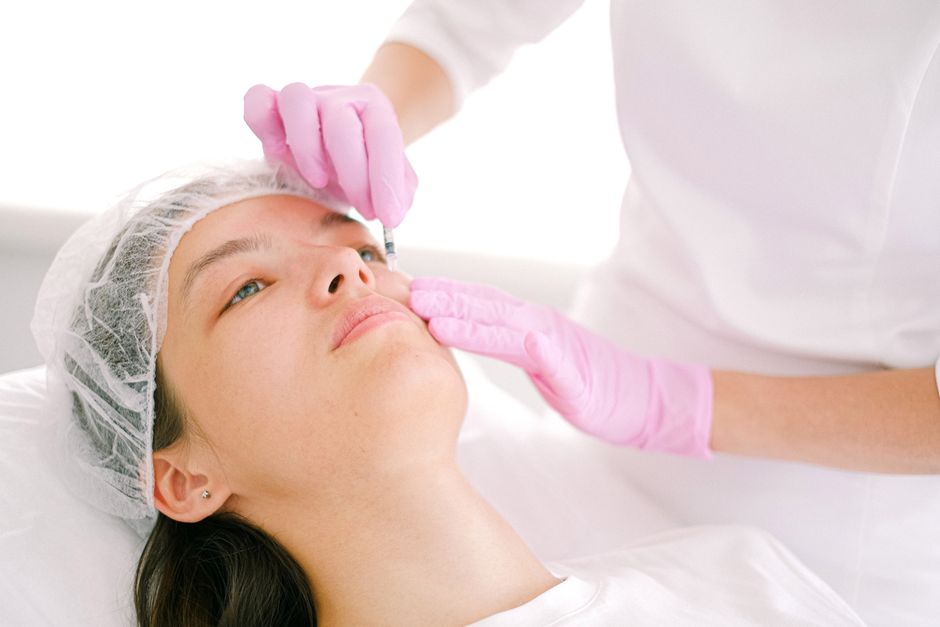
Whether insurance pays for Botox to treat excessive sweating depends almost entirely on two things: why you sweat and how you sweat. If you have a diagnosed medical condition like primary focal hyperhidrosis, and you have already tried standard treatments that did not work, many insurance plans will cover the injections. If your sweating is situational, mild, or not formally diagnosed, coverage is unlikely.
Medicare and most commercial insurers treat hyperhidrosis Botox as a medical benefit, not a cosmetic one, when specific criteria are met. Those criteria are strict. Meeting them usually requires documentation of a diagnosis, a failed trial of prescription antiperspirant, and sometimes a minimum sweat severity score. The details vary by plan.
Is Botox For Hyperhidrosis Covered By Insurance?
In many cases, yes — but only when your plan classifies the treatment as medically necessary rather than cosmetic.
Botox (onabotulinumtoxinA) holds FDA approval for severe underarm sweating that has not responded to topical treatments. That approval matters because insurers often use FDA labeling as a starting point for coverage decisions. The same logic does not automatically extend to every body part. Underarm sweating has the clearest coverage pathway. Palms, soles, and face are often covered too, but plans handle them less consistently.
Insurance companies draw a hard line between treating a medical condition and reducing a normal bodily function. Hyperhidrosis is classified as a medical condition when sweating is excessive, unpredictable, and interferes with daily life. Your plan will want evidence of that.
Coverage also depends on the type of plan. Medicare and Medicaid generally cover it when criteria are met. Commercial plans vary widely. Some cover it readily. Others require prior authorization every time. A few exclude it outright.
What Criteria Do Insurers Require Before They Approve Botox?
Most plans follow a similar sequence of requirements, even though the exact wording differs.
The first requirement is a confirmed diagnosis of primary focal hyperhidrosis. This is sweating that is localized and not caused by another condition or medication. Your doctor documents where you sweat, how often, and how much it affects your life.
The second requirement is a failed trial of prescription-strength antiperspirant. This usually means aluminum chloride hexahydrate, often at 20 percent concentration. Over-the-counter antiperspirants generally do not count. Insurers typically want to see that you used the prescription product for a set period without adequate relief. The required duration varies by plan, so confirm the specific number with your insurer rather than assuming.
The third requirement is severity. Some plans use a sweat production measurement called gravimetric testing. Others rely on your doctor’s clinical notes. A few ask for a quality-of-life questionnaire.
Some plans also require a trial of other treatments first, such as certain oral medications or a device-based therapy. Requirements differ, so the only reliable answer is your own plan’s policy.
Which Body Areas Are Usually Covered?
Underarm sweating has the strongest coverage history because it was the focus of the original FDA approval and the clinical trials behind it.
Palm and sole sweating is often covered but requires more justification. Injecting the palms is technically harder and carries a higher risk of temporary hand weakness, so some plans scrutinize these requests more closely.
Facial sweating is the least consistently covered. The face has many small muscles, and injections there carry a risk of temporary asymmetry or eyelid drooping. Some insurers cover it. Others do not.
If you sweat heavily in more than one area, your doctor may document each one separately. More documentation tends to help, not hurt, an authorization request.




How Does The Prior Authorization Process Work?
Coverage almost never happens automatically. Your dermatologist or neurologist submits a prior authorization request before treatment.
That request typically includes your diagnosis code, a description of your symptoms, the treatments you have already tried, and how long you tried them. It may also include photographs, sweat measurement results, or a letter explaining the impact on your daily life.
Insurers usually respond within a set number of business days, though the exact timeline depends on the plan and whether the request is urgent. If the request is denied, you generally have the right to appeal. Appeals succeed more often when the doctor provides additional documentation rather than just resubmitting the same information.
A practical point many people miss: approval is often time-limited. A plan may authorize a certain number of treatment sessions over a defined period, after which you need reauthorization. Keep track of when your approval expires so you are not caught off guard.
What If Your Insurance Denies Coverage?
A denial is not always final. The first step is understanding why the claim was rejected.
Common reasons include missing documentation, an incomplete trial of prescription antiperspirant, or a plan that classifies the treatment as cosmetic. Each reason calls for a different response.
- Ask your insurer for the specific reason in writing.
- Ask your doctor to submit additional clinical documentation.
- File a formal appeal within the deadline your plan specifies.
- Ask whether an external review is available if the internal appeal fails.
If coverage is not available, some people pay out of pocket. Botox for hyperhidrosis is expensive, and the cost varies by geographic area, the number of units used, and the provider. Because dosing depends on the area treated and the severity of sweating, the total is hard to predict in advance. Ask your provider for an estimate before treatment.
Botox is also not permanent. Its effects wear off, which means repeat treatments are needed to maintain results. That ongoing cost is worth factoring into any decision, whether insurance pays or not.
Are There Alternatives If Botox Is Not Covered?
Several other options exist, and some are covered more readily than Botox.
Prescription antiperspirants remain the first-line treatment for most people. They work well for many and cost far less. If you have not given them a genuine trial, that is usually the place to start — and it is also the step insurers expect to see.
Oral medications can reduce sweating across the whole body. They are sometimes used when topical treatments fail. They can cause side effects such as dry mouth and blurred vision, so they are not right for everyone.
Device-based therapies use electrical current or microwave energy to reduce sweating. Coverage for these varies widely by plan.
For severe cases, surgical options exist, but they carry more risk and are generally reserved for situations where other treatments have failed. A surgeon can explain whether you are a candidate.
Which option fits you depends on where you sweat, how severe it is, your health history, and what your plan will cover. That is a conversation to have with a doctor who treats hyperhidrosis regularly.
What Should You Do Before Starting Treatment?
Confirm your coverage before you commit to anything. A few steps save time and money.
Call your insurer and ask directly whether Botox for hyperhidrosis is covered, what criteria apply, and whether prior authorization is required. Get the answer in writing if you can. Ask your doctor’s office whether they handle prior authorizations and how familiar they are with your plan’s requirements. Offices that do this often tend to get approvals faster.
Keep records of every treatment you try, including dates and results. This documentation becomes the backbone of any authorization request or appeal. If you switch doctors, bring those records with you.
Finally, be realistic. Coverage is possible but not guaranteed, and even approved coverage often comes with conditions. Knowing the rules ahead of time puts you in a much stronger position.
Frequently Asked Questions
Is Botox for excessive sweating considered cosmetic by insurance?
No, most insurers treat it as a medical treatment when you have a diagnosed condition like primary focal hyperhidrosis and have tried standard treatments. Plans that classify it as cosmetic usually exclude it regardless of your diagnosis.
Does Medicare cover Botox for hyperhidrosis?
Medicare generally covers it when medical necessity criteria are met and prior authorization is obtained. Specific requirements can vary, so confirm with your plan before scheduling treatment.
How long does insurance approval for Botox take?
Most prior authorization decisions are made within a set number of business days, though timelines differ by plan and whether the request is marked urgent. Ask your insurer for the expected timeframe when you submit.
What happens if my insurance denies Botox for sweating?
You can appeal the denial, usually by having your doctor submit additional clinical documentation. If the internal appeal fails, many plans offer an external review process.
