
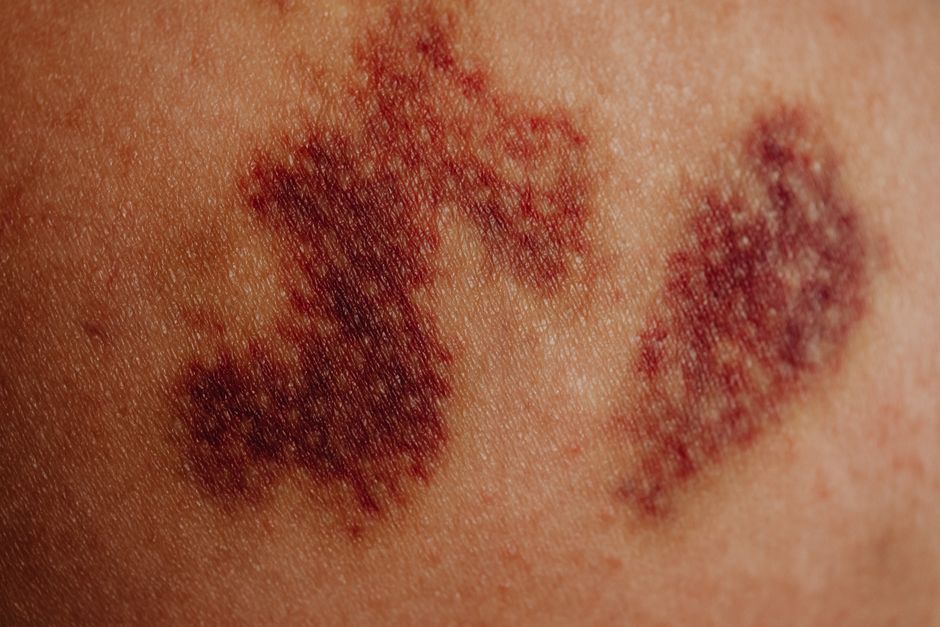
A fall at home can leave you with a black-and-blue mark that seems to appear out of nowhere. You want to know how to prevent bruising after a fall at home. The key facts are simple: act fast with cold therapy, elevate the injured area, and apply gentle compression within the first 20 minutes. These steps reduce blood flow to the damaged tissue, which limits how much a bruise spreads.
What Actually Happens When You Bruise?
A bruise is broken blood vessels under your skin. When you fall, the impact crushes small capillaries. Blood leaks into the surrounding tissue. That pooled blood is what turns your skin purple, blue, or black.
Your body then sends immune cells to clean up the leaked blood. This process takes time. The color changes you see — from red to purple to greenish-yellow — are the stages of your body breaking down hemoglobin.
Bruising severity depends on three things: the force of the fall, the health of your blood vessels, and how well your blood clots. Older adults bruise more easily because skin gets thinner and blood vessels become more fragile with age. The CDC reports that falls are the leading cause of injury among adults 65 and older, and bruising is often the first visible sign.
Knowing this helps you understand why prevention matters. You are not trying to stop the bruise entirely. You are trying to limit the spread of blood under the skin so the bruise stays small and heals faster.
How To Prevent Bruising After A Fall At Home: The First 20 Minutes
The most effective window for preventing a bruise is the first 20 minutes after a fall. Research published in the Journal of Athletic Training found that applying cold therapy within this window significantly reduces bruise size and pain.
Here is what to do in order:
- Apply an ice pack wrapped in a thin cloth directly to the area. Never put ice directly on skin — it can cause frostbite in minutes.
- Keep the ice on for 15 to 20 minutes. Remove it for at least 20 minutes before reapplying.
- Elevate the injured area above heart level if possible. This uses gravity to slow blood flow to the damaged vessels.
- Wrap the area with an elastic bandage for gentle compression. It should feel snug but not tight enough to cut off circulation.
Do not apply heat. Heat opens blood vessels and makes bruising worse. Many people make this mistake because heat feels soothing after a fall. Save heat for 48 hours later, when it can help reabsorb the pooled blood.
Does Arnica Really Help With Bruising?
Arnica is one of the most popular natural remedies for bruising. Some studies suggest it may help reduce bruise size, but the evidence is mixed.
A 2016 review in the British Journal of Dermatology looked at several trials on arnica for bruising. The researchers found that topical arnica gel applied soon after injury showed modest benefit in reducing bruise size compared to placebo. But oral arnica supplements showed no clear benefit and can cause side effects like stomach upset.
The American Academy of Dermatology does not officially recommend arnica. They note that while some people report less bruising with arnica cream, the evidence is not strong enough for a formal recommendation.
If you try arnica, use a topical gel or cream. Apply it to unbroken skin only. Do not use it on cuts or scrapes. Avoid oral arnica entirely unless your doctor approves it, especially if you take blood thinners.
This is widely claimed though strong evidence is limited. Arnica might help a little. It is not a substitute for ice and compression.




What About Vitamin K Cream and Bromelain?
Vitamin K cream is another remedy that comes up frequently. Vitamin K helps your blood clot properly. In theory, applying it to a bruise could speed up clotting and reduce the spread of blood under the skin.
Some small studies support this. A study published in Cosmetic Dermatology found that a cream containing vitamin K and vitamin A reduced bruise severity after laser treatments. But the evidence for vitamin K cream on bruises from falls is much weaker. Most dermatologists say it may help a little but is not a proven treatment.
Bromelain is an enzyme found in pineapple stems. Some studies suggest it has anti-inflammatory properties that could reduce bruising and swelling. A 2017 review in Planta Medica found that bromelain supplements taken before and after surgery reduced bruising and swelling compared to placebo.
For falls at home, the evidence is less clear. Bromelain works best when taken before an injury occurs, which is not practical for most falls. Taking it after a fall may still help reduce inflammation, but the effect is small.
Neither vitamin K cream nor bromelain should replace cold therapy and compression. They are add-ons, not primary treatments.
When Should You Worry About a Bruise?
Most bruises are harmless and heal on their own within two weeks. But some bruises signal a deeper problem that needs medical attention.
Seek medical care if you notice any of these signs:
- The bruise is larger than your palm and continues to grow after 24 hours.
- The area feels hard, warm, or intensely painful.
- You have a history of easy bruising or bleeding disorders.
- You take blood thinners like warfarin, apixaban, or aspirin.
- The bruise appears without any known injury.
- You have signs of a fracture, like inability to bear weight or move the joint normally.
People on blood thinners need to be especially careful. A fall that causes a bruise can also cause internal bleeding that is not visible. The American Heart Association advises anyone on anticoagulants to contact their doctor after a significant fall, even if the bruise looks small.
Bruises on the head, neck, or torso after a fall require extra caution. Internal bleeding in these areas can be serious even if the external bruise looks small. Watch for symptoms like confusion, dizziness, nausea, or severe headache.
What Makes Bruising Worse: Common Mistakes
Many people accidentally make bruises worse by doing the wrong things after a fall. Here are the most common mistakes to avoid.
Applying heat too soon. Heat increases blood flow. In the first 48 hours, this makes blood leak further into the tissue and creates a larger bruise. Wait at least 48 hours before using heat.
Massaging the area. Rubbing a fresh bruise can break more blood vessels and spread the blood further. Gentle pressure from compression is fine. Active massage is not.
Taking aspirin or ibuprofen immediately. These drugs thin your blood and interfere with clotting. If you took them before the fall for another reason, you may bruise more. Avoid taking them after a fall unless your doctor specifically advises it.
Ignoring the injury. Some people think bruising is just cosmetic and do nothing. But early treatment makes a real difference. A bruise treated within 20 minutes can be half the size of one left untreated.
| Method | Evidence Level | When to Use |
|---|---|---|
| Ice pack with compression | Strong — supported by multiple clinical studies | Immediately after fall, first 20 minutes |
| Elevation | Strong — basic physiology of blood flow | Immediately, for first 24 hours |
| Arnica topical gel | Moderate — some studies show small benefit | Within first hour, on unbroken skin |
| Vitamin K cream | Weak — limited evidence for fall bruises | May help, but not a primary treatment |
| Bromelain supplement | Moderate — better evidence for surgical bruises | Best taken before injury, limited after |
| Heat therapy | Harmful in first 48 hours | Only after 48 hours, to help reabsorb blood |
| Massage | Harmful immediately after injury | Never on fresh bruise |
Can Diet Help Prevent Bruising Long Term?
Your diet affects how easily you bruise. Over time, certain nutrients strengthen blood vessels and improve clotting. This does not prevent bruises from falls, but it can make them smaller and less frequent.
Vitamin C is essential for collagen production. Collagen is the protein that keeps your blood vessel walls strong. The National Institutes of Health recommends 75 to 90 milligrams of vitamin C per day for adults. A single orange provides about 70 milligrams.
Vitamin K helps your blood clot properly. Leafy greens like spinach, kale, and broccoli are rich sources. People with low vitamin K levels bruise more easily.
Flavonoids are plant compounds that strengthen capillaries. They are found in berries, citrus fruits, onions, and dark chocolate. A 2015 study in the Journal of Nutrition found that people who ate more flavonoid-rich foods had fewer bruises after minor injuries.
Zinc supports wound healing. Oysters, beef, and pumpkin seeds are good sources. Zinc deficiency is linked to slower healing of bruises and other injuries.
None of these nutrients will stop a bruise from forming after a hard fall. But maintaining adequate levels over time makes your blood vessels more resilient. This is a long-term strategy, not an emergency treatment.
How to Make a Bruise Fade Faster
Once a bruise has formed, you cannot make it disappear overnight. But you can speed up the healing process.
After the first 48 hours, switch from cold to warm compresses. Warmth increases blood flow to the area, which helps your body reabsorb the pooled blood faster. Apply a warm compress for 15 to 20 minutes several times a day.
Gentle movement helps too. If the bruise is on a limb, moving that joint through its normal range of motion stimulates circulation. Do not force it if movement causes pain.
Some people use makeup to cover bruises while they heal. Green-tinted color correctors neutralize the purple-blue tones of a fresh bruise. Yellow-tinted correctors work better for older bruises that have faded to green or brown.
There is no cream or pill that makes a bruise heal in one day. Healing takes time. The best you can do is support your body’s natural repair processes and avoid making things worse.
Frequently Asked Questions
How long does it take for a bruise to heal?
Most bruises heal within 10 to 14 days. The color changes from red to purple to greenish-yellow as your body breaks down the pooled blood.
Can you stop a bruise from forming after a fall?
You cannot stop a bruise completely if blood vessels have already broken. But ice applied within 20 minutes can significantly reduce the size and severity of the bruise.
Is it safe to put ice directly on a bruise?
No. Always wrap ice in a thin cloth or towel before applying it to skin. Direct ice contact can cause frostbite within minutes.
When should I see a doctor for a bruise?
See a doctor if the bruise is larger than your palm, continues growing after 24 hours, feels hard or warm, or appears after a head injury. People on blood thinners should also seek medical advice after a fall.
