
Tooth loss is not an inevitable part of aging. Most permanent teeth are lost to two conditions that are largely preventable: gum disease and tooth decay. Keeping your teeth for life comes down to controlling the bacteria that cause both, catching problems early, and knowing which habits actually protect your teeth versus which ones only sound helpful.
The reason prevention works so well is that tooth loss is usually the end of a slow process, not a sudden event. By the time a tooth falls out or needs to be pulled, damage has often been building for years. That long runway is your advantage.
What Actually Causes Tooth Loss?
Two diseases account for the large majority of adult tooth loss in the United States: periodontal (gum) disease and dental caries (cavities). Trauma and other causes matter too, but they are far less common.
Gum disease starts when plaque, a sticky film of bacteria, builds up along the gumline. In its early stage, called gingivitis, the gums become red, swollen, and prone to bleeding. Gingivitis is reversible. If plaque hardens into tartar, it can only be removed by a dental professional, and the inflammation can deepen into periodontitis. In periodontitis, the infection and immune response damage the bone and connective tissue that anchor teeth. As that support erodes, teeth loosen and eventually fall out or require extraction.
Cavities work differently. Acid produced by bacteria feeding on sugars dissolves tooth enamel. If decay reaches the inner pulp, it can kill the nerve and lead to infection. A tooth that is badly decayed or infected may need a root canal or removal.
The key point is that both diseases are driven by bacterial plaque. That is why almost every effective prevention strategy comes back to the same idea: disrupt the plaque and limit what feeds it.
How To Prevent Tooth Loss Causes And Key Tips
The habits that protect teeth are well established and not complicated. What matters is doing them consistently.
- Brush twice a day with a fluoride toothpaste. Two minutes each time, covering every surface of every tooth.
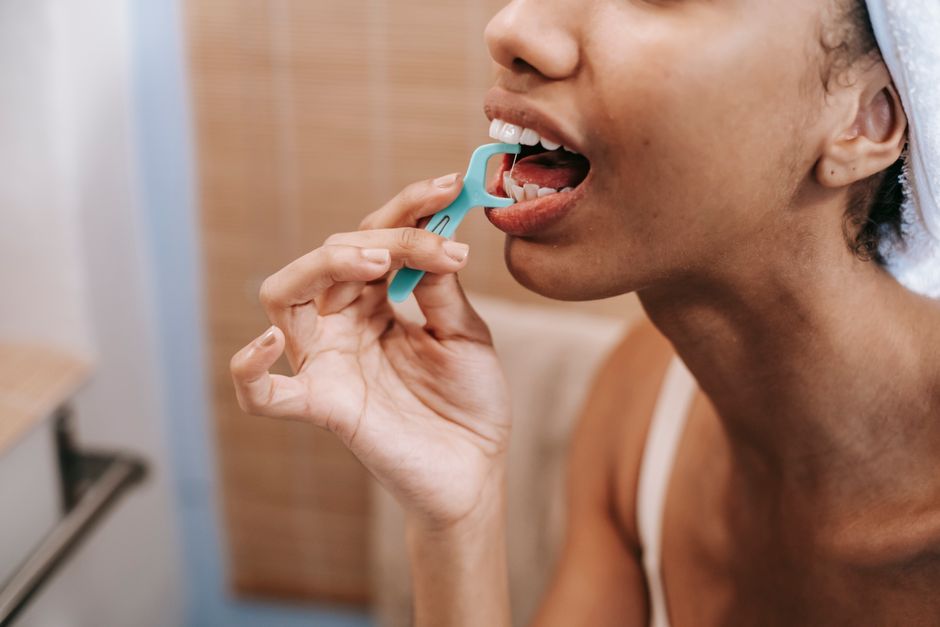
- Clean between your teeth daily. Floss, interdental brushes, or water flossers reach the spaces a toothbrush cannot.
- Limit sugary drinks and frequent snacking. It is not just how much sugar you eat but how often your teeth are exposed to acid.
- Do not smoke. Smoking is one of the strongest risk factors for gum disease.
- See a dentist for regular exams and cleanings. Professional cleanings remove tartar that home care cannot.
- Treat gum disease early. Gingivitis can be reversed; advanced periodontitis cannot be fully undone.
Fluoride is the one ingredient here with decades of strong evidence behind it. It helps enamel resist acid and can repair early damage before a cavity forms. This is why fluoride toothpaste is recommended by essentially every major dental and health organization.
Why Does Gum Disease Cause Teeth To Fall Out?
Gum disease destroys the support structure of the tooth, not the tooth itself. That distinction explains why a tooth can look fine and still be loose.
Each tooth sits in a socket of jawbone, held in place by a ligament. In periodontitis, bacterial plaque below the gumline triggers chronic inflammation. Your body’s immune response, meant to fight the infection, also breaks down the bone and ligament around the tooth. Over time the socket deepens and the bone recedes.
Once enough bone is lost, the tooth loses its anchor. It may shift, feel loose, or need to be extracted because it can no longer function. Bone lost to periodontitis does not grow back on its own, which is why the goal is always to stop the disease before it reaches this stage.
One detail worth knowing: gum disease often progresses without pain. Bleeding gums, persistent bad breath, or gums pulling away from teeth are the earlier signals. Pain tends to arrive late, when damage is already significant.




Which Risk Factors Make Tooth Loss More Likely?
Some risk factors you control and some you do not. Knowing which is which helps you focus your effort.
Factors you can influence include smoking, poor oral hygiene, a diet high in sugar, and skipping dental care. Smoking deserves special mention: it both increases the risk of gum disease and masks the early warning sign of bleeding gums, so problems are often discovered later.
Factors you cannot change include genetics, age, and a history of gum disease. Certain conditions and situations also raise risk. Diabetes is strongly linked to gum disease, and the relationship runs both ways. Hormonal changes during pregnancy can make gums more sensitive. Dry mouth from medications or other causes reduces the saliva that normally helps protect teeth.
If you have one of these factors, you are not destined to lose teeth. You simply have more reason to be consistent with the basics and to keep regular dental appointments.
Do Home Remedies Prevent Tooth Loss?
No home remedy replaces brushing, flossing, fluoride, and professional care. Some popular ideas have partial support, and others have none.
Oil pulling, swishing oil in the mouth, is often promoted for gum health. Some small studies suggest it may reduce plaque or gingivitis compared with doing nothing, but the evidence is limited and it has not been shown to prevent tooth loss. It is not a substitute for brushing or flossing.
Rinsing with salt water may soothe irritated gums, but it does not remove plaque or treat infection. Herbal rinses and powders vary widely, and most lack strong human evidence for preventing tooth loss. Anyone marketing a product as a proven way to regrow gums or reverse periodontitis is making a claim no study supports.
The honest position is simple: home care is essential for prevention, but it works through mechanical plaque removal and fluoride, not through special ingredients.
When Should You See a Dentist?
See a dentist if you notice bleeding gums, persistent bad breath, loose teeth, receding gums, or pain when chewing. These are signs of active disease, and earlier treatment means more tooth structure saved.
Routine visits matter even when nothing feels wrong. Gum disease and early cavities are often silent. A dentist can detect problems while they are still reversible and remove tartar that no amount of home brushing can address.
For most adults, professional cleanings and exams are recommended at regular intervals, though the right frequency depends on your individual risk. People with a history of gum disease, smokers, and those with diabetes may need to be seen more often. Your dentist can set a schedule based on your situation rather than a one-size-fits-all rule.
Can Lost Teeth Be Replaced?
Yes, and replacing them matters for more than appearance. Missing teeth can allow neighboring teeth to shift and the jawbone to shrink over time.
Options include dental implants, bridges, and dentures. Implants replace the tooth root and help preserve bone, but they require enough healthy bone and good gum health to succeed. A bridge uses adjacent teeth for support. Dentures are removable. Each has trade-offs, and the best choice depends on how many teeth are missing, the health of your gums and bone, and your overall health.
Replacement is not a reason to relax prevention. Keeping your natural teeth is generally simpler and less costly than replacing them, and the same habits that protect one tooth protect all of them.
Frequently Asked Questions
Can tooth loss be reversed?
No, a lost permanent tooth does not grow back and bone lost to gum disease does not regenerate on its own. Prevention and early treatment are the only ways to keep natural teeth.
What is the most common cause of tooth loss in adults?
Periodontal (gum) disease is the leading cause of tooth loss in adults, followed by tooth decay. Both are driven by bacterial plaque and are largely preventable.
Does flossing really prevent tooth loss?
Cleaning between teeth removes plaque from areas a toothbrush cannot reach, which helps prevent the gum disease and decay that lead to tooth loss. The evidence for flossing is strongest when it is done daily and correctly.
Can I prevent gum disease on my own?
You can prevent and even reverse early gingivitis with good daily brushing, cleaning between teeth, and not smoking. Once gum disease advances to periodontitis, it requires professional treatment.
