
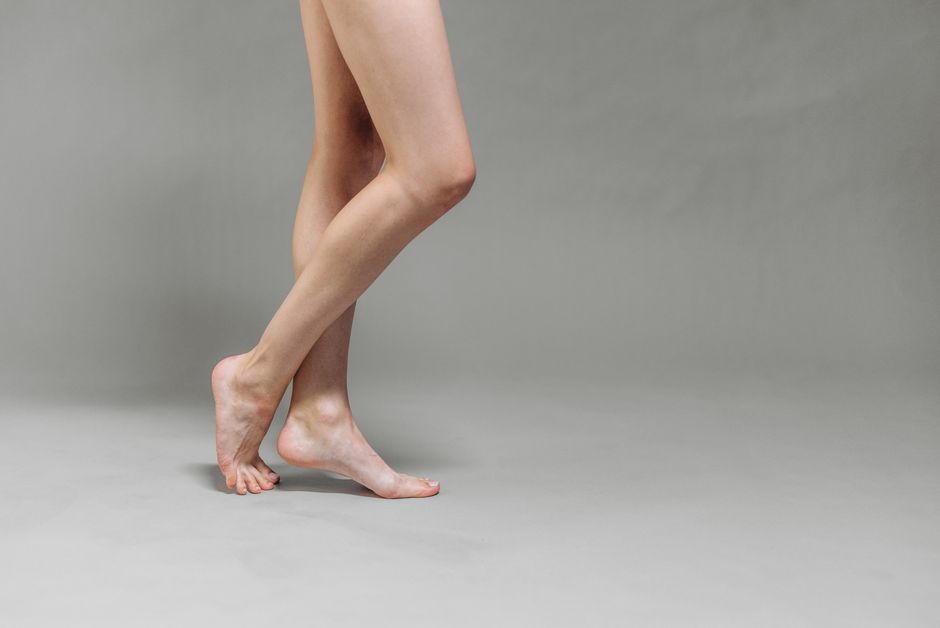
Ankle swelling is common, but it is not something you have to accept as normal. You can often prevent it with daily habits that focus on what you eat and how you move. The most effective approach combines reducing excess sodium, staying hydrated, increasing potassium and magnesium intake, and moving your legs regularly to support healthy blood flow back to your heart.
What Causes Ankle Swelling in the First Place?
Ankle swelling, also called peripheral edema, happens when fluid builds up in the spaces between your body’s cells. Gravity pulls this fluid down into your lower legs and feet, especially when you sit or stand for long periods. The fluid accumulates because your veins are not efficiently pushing blood back up toward your heart.
Several everyday factors contribute to this. A diet high in sodium causes your body to hold onto water. Prolonged sitting, especially on long flights or at a desk job, reduces the muscle pump activity in your calves that normally helps push blood upward. Hot weather dilates your blood vessels, making it easier for fluid to leak out into surrounding tissues.
Hormonal changes, particularly during pregnancy or the menstrual cycle, can also increase fluid retention. Some medications, including certain blood pressure drugs, steroids, and antidepressants, list ankle swelling as a side effect. If you have heart, kidney, or liver disease, those conditions affect how your body manages fluid and require specific medical attention.
How Does Diet Affect Ankle Swelling?
Your kidneys regulate the balance of sodium and water in your body. When you eat more sodium than your kidneys can excrete, your body retains water to dilute the sodium concentration in your blood. That extra water increases your blood volume and puts more pressure on your veins, which allows fluid to leak into your tissues.
Most adults consume far more sodium than their bodies need. The average American diet contains around 3,400 milligrams of sodium per day, while general dietary guidance suggests limiting intake to under 2,300 milligrams daily. The largest sources of sodium in typical diets are not the salt shaker. They are processed foods, restaurant meals, canned soups, deli meats, and packaged snacks.
Potassium works opposite to sodium. It helps your kidneys excrete excess sodium and water. Foods rich in potassium include bananas, oranges, potatoes, spinach, and beans. Magnesium also plays a role in fluid balance and muscle function. Good sources include nuts, seeds, whole grains, and leafy green vegetables.
Increasing your water intake may seem counterintuitive when you are trying to reduce swelling, but dehydration can actually make fluid retention worse. When your body senses low water levels, it releases hormones that signal your kidneys to conserve water. Drinking enough water helps your kidneys flush out excess sodium and waste products.
How To Prevent Ankle Swelling Diet Movement More?
Preventing ankle swelling requires a combined approach. Diet alone rarely solves the problem, and movement alone cannot overcome a high-sodium diet. You need both working together.
Start with your sodium intake. Read nutrition labels and compare products. A single serving of canned soup can contain over 800 milligrams of sodium, which is more than one-third of the daily limit for most adults. Cooking at home gives you control over how much salt goes into your food. Use herbs, spices, lemon juice, and vinegar to add flavor instead of relying on salt.
Build your meals around whole foods. Fruits, vegetables, lean proteins, and whole grains naturally contain less sodium than processed alternatives. They also provide the potassium and magnesium your body needs to maintain proper fluid balance. Aim for a variety of colorful produce across your day rather than focusing on one or two specific foods.
For movement, the key is consistency throughout the day. Your calf muscles act as a secondary pump for your circulatory system. When they contract, they squeeze the veins in your lower legs and push blood upward against gravity. This is why your legs feel less swollen after a walk.
If you sit at a desk for work, stand up and walk for a few minutes every hour. If you cannot walk, do simple calf raises while seated. Lift your heels off the floor, hold for a few seconds, and lower them back down. Repeat this 10 to 15 times every hour. This activates the muscle pump without requiring you to leave your workspace.
Elevating your legs above the level of your heart for 15 to 20 minutes after a long day helps gravity work in your favor. This allows accumulated fluid to drain back toward your torso. Compression socks provide external support that helps veins push blood upward, but they are most effective when combined with movement and dietary changes.




What Foods Should You Limit to Reduce Swelling?
Processed and packaged foods are the main culprits when it comes to hidden sodium. Breads and rolls contribute more sodium to the American diet than any other single food category, not because they taste salty but because they are eaten so frequently. Cold cuts and cured meats are also major contributors, with a single serving of deli turkey containing between 400 and 600 milligrams of sodium.
Frozen dinners and pizza are notoriously high in sodium. A single slice of frozen pizza can contain more than 700 milligrams. Canned vegetables and beans are often packed with salt as a preservative, though rinsing them under running water can remove a significant portion of the added sodium.
Condiments and sauces deserve attention because people use them in small amounts without realizing their sodium content. Soy sauce contains about 900 milligrams of sodium per tablespoon. Ketchup, barbecue sauce, and salad dressings all add sodium that accumulates across a day. Fast food and restaurant meals are difficult to control because you do not know exactly how much salt goes into each dish.
Alcohol also contributes to swelling. It causes dehydration, which triggers your body to retain water, and it can interfere with your liver’s ability to process and remove excess fluid. Reducing alcohol intake, especially on days when you have been sitting for long periods, can noticeably reduce swelling for some people.
What Movement Patterns Help the Most?
Walking is the most accessible and effective exercise for reducing ankle swelling. It engages your calf muscles continuously and promotes circulation throughout your legs. Aim for short walks after meals rather than one long walk at the end of the day. This spreads the muscle pump activity across your waking hours.
Swimming and water aerobics offer unique benefits. The water pressure around your legs helps push fluid back into your bloodstream, and the horizontal position of swimming removes the effect of gravity on your lower legs. If you have access to a pool, this can be particularly helpful during hot summer months when heat worsens swelling.
Cycling, whether outdoors or on a stationary bike, keeps your legs moving in a rhythmic pattern that promotes venous return. Yoga and stretching routines that include leg elevation and ankle rotations can also help. Ankle pumps — pointing your toes away from you and then pulling them back toward you — are simple exercises you can do anywhere, including while watching television or sitting at your desk.
Avoid exercises that put prolonged pressure on your feet, such as standing for long periods without movement. If you run or do high-impact activities, wear supportive shoes that do not restrict circulation around your ankles. Shoes that are too tight can contribute to swelling by compressing the veins that need to return blood to your heart.
When Should You See a Doctor About Ankle Swelling?
Occasional ankle swelling after a long day or a salty meal is usually harmless. Swelling that persists, worsens, or appears suddenly warrants medical evaluation. Swelling in only one leg can indicate a blood clot, which requires urgent medical attention. If one leg is swollen, painful, warm, or red compared to the other, seek care immediately.
Swelling accompanied by shortness of breath, chest pain, or difficulty breathing can signal a heart or lung problem and requires emergency treatment. These symptoms may indicate that fluid is accumulating in your lungs, which is a medical emergency.
If you have a history of heart failure, kidney disease, or liver disease, report any new or worsening swelling to your doctor. These conditions affect your body’s fluid balance in complex ways, and dietary changes alone will not address the underlying problem. Your doctor may need to adjust your medications or recommend specific fluid restrictions.
Sudden, rapid weight gain along with swelling can indicate fluid retention that requires medical attention. Gaining several pounds over a few days without changing your eating habits is a warning sign. Similarly, swelling that leaves a dent when you press on it, called pitting edema, can indicate a more serious fluid balance problem.
Frequently Asked Questions
How long does it take for dietary changes to reduce ankle swelling?
Most people notice a difference within a few days to a week of consistently reducing sodium and increasing potassium intake. Your kidneys respond relatively quickly to changes in sodium consumption, often within 24 to 48 hours.
Can drinking more water actually help prevent ankle swelling?
Yes, staying adequately hydrated helps your kidneys flush out excess sodium and fluid. Dehydration triggers your body to hold onto water, which can make swelling worse.
Do compression socks prevent ankle swelling or just hide the symptoms?
Compression socks actively support your veins and help push blood upward, which reduces the fluid that accumulates during the day. They are a supportive measure, not a cure, and work best alongside dietary changes and regular movement.
Is ankle swelling during pregnancy normal and preventable?
Some swelling during pregnancy is common because your blood volume increases significantly and your growing uterus puts pressure on veins returning blood from your legs. You can reduce it with the same principles of movement, elevation, and sodium awareness, but always discuss swelling with your prenatal care provider.
