
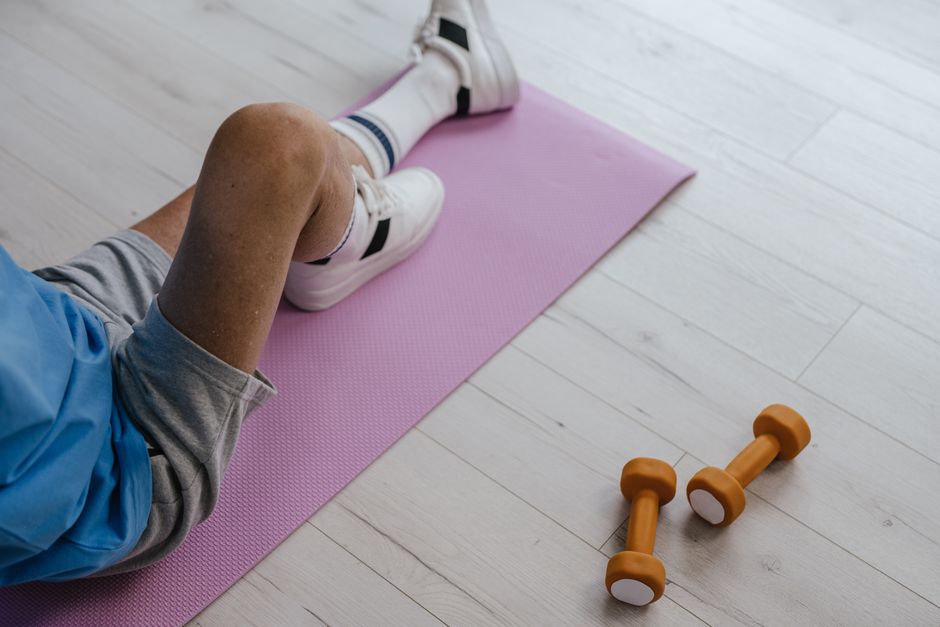
Vein health comes down to one main job: getting blood from your legs back up to your heart. Your veins have one-way valves that keep blood moving in the right direction. When those valves weaken, blood pools, and veins stretch. That leads to varicose veins, spider veins, and leg swelling. Diet and movement are the two most powerful tools you have for keeping those valves working. Eating foods that reduce inflammation and support circulation helps. Moving your legs regularly keeps blood from sitting still. Both matter more than most people realize.
Why Do Veins Fail in the First Place?
Your arteries have thick muscular walls because they pump blood under high pressure. Your veins do not. They rely on surrounding muscles to push blood along. When you walk, your calf muscles contract and squeeze the deep veins in your legs. That squeeze pushes blood upward against gravity.
Inside your veins are tiny flaps called valves. They open to let blood through, then close to stop it from flowing backward. Over time, those flaps can stretch or break. When they stop closing properly, blood flows backward and pools in the lower leg. This is called venous reflux or chronic venous insufficiency.
Heredity plays a large role. If your parents had varicose veins, you are more likely to get them. Age matters too. Valves naturally weaken over decades. Pregnancy increases risk because hormones relax vein walls and the growing uterus presses on pelvic veins. Standing for long hours at work also puts steady pressure on leg veins.
What Does Diet Actually Do for Veins?
No food can repair a broken vein valve. That is a structural problem. But diet affects the conditions that make valves fail in the first place.
Chronic inflammation damages the inner lining of veins. High blood sugar and processed foods drive inflammation. Fiber-rich foods, vegetables, and fruits reduce it. A diet that protects your blood vessels also protects your veins.
Water intake matters more than most people expect. Dehydration thickens your blood. Thicker blood flows more slowly and puts more strain on vein walls. Staying hydrated keeps blood volume normal and flow smooth.
Fiber prevents constipation. Straining on the toilet increases pressure in your abdominal cavity. That pressure pushes down on leg veins and can worsen valve damage over time. Regular bowel movements reduce that pressure.
Foods That Support Vein Health
Some foods have specific properties that support circulation:
- Foods high in vitamin C — citrus fruits, bell peppers, broccoli. Vitamin C is required for collagen production, and collagen gives vein walls their strength.
- Foods with flavonoids — berries, dark chocolate, citrus, onions. Flavonoids are plant compounds that may reduce inflammation and improve vein tone.
- Foods high in potassium — bananas, sweet potatoes, spinach. Potassium helps balance sodium and reduces fluid retention that swells legs.
- Foods with omega-3 fatty acids — salmon, walnuts, flaxseed. These fats reduce inflammation throughout the body.
No single food fixes veins. A consistent pattern of eating whole foods, limiting processed items, and staying hydrated is what helps.
How To Improve Vein Health Diet Movement More — The Movement Part
Movement is not optional for vein health. It is the primary mechanical driver of blood flow in your legs.
Your calf muscles are sometimes called your “second heart.” Each step you take squeezes the deep veins in your calves and pushes blood upward. The more you move, the more regularly that pump operates. Sedentary time is the enemy. Sitting for hours means your calf pump stays idle and blood pools in your lower legs.
Walking is the single best exercise for veins. It is low impact, accessible, and directly activates the calf pump. Aim for short walks throughout the day rather than one long session. A five-minute walk every hour does more for vein health than a single 30-minute walk followed by hours of sitting.
Swimming and cycling are excellent options because they involve continuous leg movement without impact. Leg lifts, ankle pumps, and heel raises can be done at a desk. Ankle pumps — pointing and flexing your feet — activate the calf pump even while seated.
Strength training for the legs also helps. Stronger calf muscles create a more forceful squeeze on veins. Squats, lunges, and calf raises all contribute.



Compression Stockings — Do They Actually Work?
Compression stockings are the one intervention with the strongest evidence for managing vein problems. They work by a simple mechanical principle: graduated external pressure.
The stockings are tightest at the ankle and gradually loosen toward the knee or thigh. This gradient pushes blood upward and prevents pooling. They also support the vein walls from outside, reducing the stretch that damages valves.
Clinical evidence consistently shows compression stockings reduce leg pain, swelling, and the progression of varicose veins. They are the first-line treatment recommended by vascular specialists for chronic venous insufficiency.
They are not a cure. They manage symptoms and slow progression. But for many people, they are the difference between comfortable legs and painful ones.
Not all compression stockings are equal. The compression level matters. Over-the-counter “support socks” provide minimal pressure. Medical-grade stockings come in specific pressure ranges and require fitting. A doctor can prescribe the correct level based on your condition.
What Makes Vein Problems Worse?
Some habits directly worsen vein health. Identifying them is as important as knowing what helps.
Prolonged standing is the most common occupational risk. Standing still keeps blood in your legs without the calf pump activating. If your job requires standing, shift weight frequently and walk short distances when possible.
Sitting for hours is equally problematic. The bend at the knee and hip compresses veins and reduces flow. Take standing breaks every hour.
High heels limit ankle movement. The ankle acts as a secondary pump, and immobile ankles reduce overall circulation. Lower heels with more ankle flexibility are better for veins.
Smoking damages blood vessel walls throughout the body. It reduces oxygen in the blood and increases inflammation. Quitting smoking benefits every part of your circulation.
Tight clothing around the waist or legs can restrict blood flow. This includes tight belts, shapewear, and socks with tight elastic bands at the top.
When Do You Need Medical Treatment?
Lifestyle changes help prevent and manage vein problems. But they cannot reverse advanced valve damage. Some situations require medical evaluation.
See a doctor if you experience leg pain that interferes with daily activities, skin changes around your ankles, or ulcers. Skin that becomes hard, discolored, or itchy near the ankles can indicate advanced venous disease. Bleeding from a varicose vein is an emergency.
Sudden swelling in one leg with pain or redness requires immediate medical attention. This can be a sign of deep vein thrombosis — a blood clot. This is different from varicose veins and is a medical emergency.
Treatment options have advanced significantly. Endovenous ablation uses heat or laser to close damaged veins. Sclerotherapy injects a solution that collapses small veins. Phlebectomy surgically removes larger varicose veins. These procedures are minimally invasive and typically done in an outpatient setting.
These treatments are effective, but they do not prevent new veins from failing. Lifestyle changes remain important even after treatment.
What Is the Evidence for Herbal and Supplement Treatments?
Many supplements claim to improve vein health. The evidence is worth examining honestly.
Horse chestnut seed extract has the strongest research behind it. Some studies suggest it reduces leg swelling and pain associated with chronic venous insufficiency. The active compound, aescin, appears to reduce inflammation and improve vein tone. However, quality varies between products, and it can interact with blood thinners.
Diosmin and hesperidin — compounds found in citrus — are used in Europe to treat vein conditions. Some research supports their use for reducing symptoms. The evidence is moderate, not definitive.
Grape seed extract and bilberry contain flavonoids that may support circulation. Large human trials confirming their effectiveness are lacking.
The honest position is this: some supplements show promise, but none have the evidence base of compression stockings or exercise. No supplement has been proven to reverse vein damage. If you consider supplements, discuss them with your doctor first, especially if you take other medications.
Can You Prevent Varicose Veins Entirely?
Prevention is not guaranteed. Genetics plays too large a role. If your parents had varicose veins, you may develop them regardless of your habits.
But prevention is not all-or-nothing. Even if you cannot prevent veins from appearing, you can often prevent them from worsening. You can reduce pain and swelling. You can slow the progression of valve damage.
The evidence is clear that regular movement, maintaining a healthy weight, and avoiding prolonged sitting or standing all reduce the severity of vein disease. Weight matters because excess abdominal fat increases pressure on leg veins. Even moderate weight loss can reduce symptoms.
Elevating your legs above heart level for 15 minutes a day helps drain pooled blood. This is a simple, evidence-based practice that many people overlook.
Frequently Asked Questions
Can exercise reverse varicose veins?
Exercise cannot reverse veins that are already damaged, but it can prevent new ones from forming and reduce symptoms like pain and swelling. The calf pump activated by walking and leg exercises is the most effective mechanical way to improve blood flow.
What foods should I avoid for vein health?
Limit highly processed foods, excess salt, and refined sugar. These increase inflammation and fluid retention, which put more strain on vein walls.
How many minutes a day should I walk for vein health?
Short frequent walks matter more than one long session. Aim for five minutes of walking every hour you are awake. If that is not possible, a daily 30-minute walk plus regular ankle pumps while seated is a reasonable baseline.
Are compression stockings worth it if I do not have symptoms?
If you have no symptoms, compression stockings are not necessary. They are most valuable for people with swelling, pain, or visible varicose veins. A doctor can help you decide if they are right for you.
