
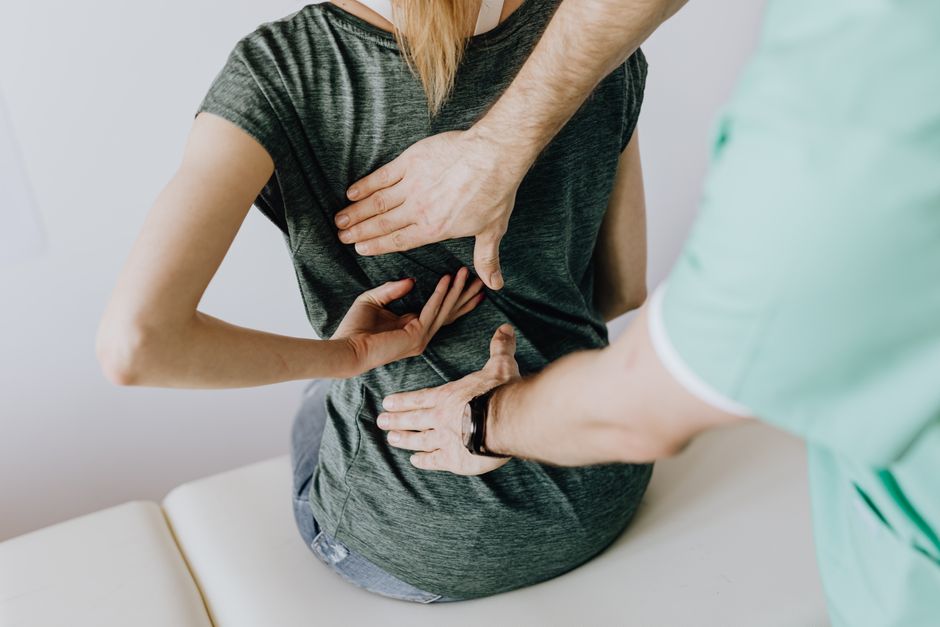
Back pain is one of the most common reasons people miss work or see a doctor. When it strikes, the first question is usually what to do right now. The short answer: use ice in the first 48 hours to reduce inflammation, switch to gentle heat after that to relax tight muscles, and start moving carefully as soon as you can tolerate it. Prolonged bed rest makes back pain worse, not better. The goal is to keep the spine moving within a pain-free range while letting the body heal.
Should You Use Ice Or Heat First?
Ice and heat do different things. Ice constricts blood vessels, which reduces blood flow to the area. That limits swelling and numbs sharp pain. Heat opens blood vessels, increasing circulation. That brings oxygen and nutrients to the tissue and helps tight muscles relax.
For a sudden injury — like lifting something heavy and feeling a pop — start with ice. Apply an ice pack wrapped in a thin towel for 15 to 20 minutes at a time, several times a day, for the first 48 hours. Never place ice directly on the skin. Frostbite can occur within minutes.
After two days, if the pain feels more like stiffness than sharpness, switch to heat. Use a heating pad on a low or medium setting for 15 to 20 minutes. Keep a cloth between the pad and your skin. Do not sleep on a heating pad. That is a common cause of burns.
Some people alternate ice and heat. The evidence for this is limited, but many clinicians find it helpful for certain types of pain. If alternating feels good to you, it is generally safe as long as each application is limited to 20 minutes.
Why Movement Matters For Back Pain
For decades, doctors told people with back pain to rest until it resolved. Research has since shown that is the wrong approach. The spine is designed to move. Joints and discs receive nutrition through movement — when you move, fluid circulates in and out of the spinal discs. When you stay still, the tissues stiffen and the pain often gets worse.
Movement also prevents muscle deconditioning. Your back muscles support your spine. If you stop using them, they weaken. Weak muscles mean less support for the spine and a higher chance of future injury.
The key is to move without aggravating the pain. Start with gentle activities that keep the spine in a neutral position. Walking is one of the best options. Short, frequent walks are better than one long walk that leaves you sore. Aim for a pace that does not increase your pain beyond a mild level.
Some research suggests that staying active with back pain leads to faster recovery than resting. The evidence for bed rest is clear: prolonged bed rest — more than a couple of days — is associated with worse outcomes and longer recovery times.
Which Movements Are Safe And Which Are Not
Not all movement is helpful in the early phase. Sudden twisting, bending forward with a rounded spine, and heavy lifting can worsen an injury. You need to distinguish between movements that feel uncomfortable and movements that cause sharp, shooting pain. Sharp pain is a signal to stop.
Safe starting movements include:
- Walking at a comfortable pace
- Gentle pelvic tilts while lying on your back
- Knee-to-chest stretches, one leg at a time, held briefly
- Cat-cow stretches on hands and knees, moving slowly through a small range
- Standing and gently swaying side to side
Avoid these in the early phase:
- Toe touches or forward bends
- Twisting movements like golf swings or reaching across the body
- Sitting for long periods without a break
- Heavy lifting of any kind
If a movement increases pain that radiates down your leg, stop immediately. Leg pain with numbness or tingling can indicate nerve involvement, which needs different management.
As pain improves, gradually increase your activity level. The goal is to return to normal function, not to avoid movement forever. Most uncomplicated back pain improves within a few weeks with this approach.





How Long Should You Ice Or Apply Heat
Ice and heat are short-term tools. They provide relief but do not fix the underlying problem. The muscles, ligaments, or discs need time to heal, and that healing happens through movement and time — not through temperature therapy alone.
Use ice for the first 48 hours after an acute injury. After that, the inflammatory phase has largely passed. Continuing ice past this point offers little benefit and may delay healing by reducing blood flow to the area for too long.
Heat can be used beyond the first two days, especially in the morning when the back often feels stiffest. Many people find heat helpful before gentle stretching, as it temporarily increases tissue flexibility.
Neither ice nor heat should be used for more than 20 minutes per session. Longer sessions increase the risk of tissue damage without adding benefit. You can repeat sessions every two to three hours as needed.
When To See A Doctor For Back Pain
Most back pain resolves on its own within four to six weeks. But some symptoms require medical attention. Do not wait to see a doctor if you have any of the following:
- Pain that radiates below the knee, especially with numbness or weakness
- Loss of bladder or bowel control — this is a medical emergency
- Numbness in the groin or inner thigh area
- Fever with back pain
- Pain after a fall or direct injury to the back
- Unexplained weight loss with back pain
- Pain that does not improve after several weeks of home care
Loss of bladder or bowel control with back pain can indicate cauda equina syndrome, a condition where the spinal nerve roots are compressed. This requires immediate surgical evaluation. Do not wait to see if it improves.
If your pain is severe enough that you cannot get out of bed, or if it wakes you from sleep, seek medical advice. These are not typical patterns for simple muscle strain.
What The Evidence Says About Ice And Heat
The scientific evidence for ice and heat in back pain is surprisingly limited. Some studies suggest heat therapy reduces pain and improves function in the short term. The evidence for ice is weaker, though it remains standard practice for acute injuries.
There is no strong evidence that ice speeds healing. It numbs pain and limits swelling, but whether it shortens recovery time is unclear. Some researchers have questioned whether reducing inflammation actually helps or hinders the healing process, since inflammation is part of the body’s repair response.
What the evidence supports more strongly is staying active. Studies consistently show that people who maintain activity levels recover faster and have less disability than those who rest. This is the clearest message from the research: move as much as you can tolerate, within reason.
No clinical guidelines currently recommend one temperature approach over another for all patients. Individual response matters. If ice makes your pain worse, stop using it. If heat feels good, use it. Your comfort is a reasonable guide, as long as you follow the safety limits on duration.
How To Manage Back Pain Ice Heat And Movement Together
The most effective approach combines all three tools. Start with ice for the first two days to control acute inflammation. Then use heat to relax tight muscles before gentle movement. Move frequently throughout the day, even if it is just a short walk or a few stretches.
A practical daily routine might look like this: apply heat for 15 minutes in the morning to loosen stiff muscles, then do gentle stretches for five to ten minutes. Take short walking breaks every hour if you sit at a desk. Use ice in the evening if your back is sore from the day’s activity.
This combination addresses both the inflammatory phase and the stiffness phase of recovery. It also keeps you active, which is the single most important factor in getting better.
If your pain persists beyond a few weeks despite this approach, or if it worsens, seek professional evaluation. Physical therapy is often helpful for teaching proper movement patterns and strengthening the muscles that support the spine.
Frequently Asked Questions
How long should I ice my back after an injury?
Ice for 15 to 20 minutes at a time, several times daily, for the first 48 hours after an acute injury. Never place ice directly on the skin — always wrap it in a thin towel.
Can I use heat on a strained back?
Yes, after the first 48 hours. Heat relaxes tight muscles and increases blood flow, which can ease stiffness. Limit sessions to 15 to 20 minutes and keep a cloth between the heating pad and your skin.
Is it better to rest or move with back pain?
Move, within reason. Prolonged bed rest slows recovery and weakens the muscles that support your spine. Gentle activity like walking is safe as long as it does not sharply increase your pain.
When should I worry about back pain?
Seek immediate medical care if you have numbness in the groin area, loss of bladder or bowel control, fever, or pain after a fall. These can signal a serious condition that needs urgent evaluation.
